



Apr 03, 2026
How to Evaluate PVC Cable Durability for Long-Term Use
What Are the Key Factors in Evaluating PVC Cable Durability for Long-Term Use?
Assessing Material Composition and Quality of PVC Cables
The strength of a PVC cable mainly relies on the excellence of its basic materials. Top-quality polyvinyl chloride (PVC) mixtures offer strong covering and physical shielding. This helps cables keep working well as time passes. Key features of PVC materials include fine mechanical traits, resistance to chemical damage, lack of flame resistance, solid weather tolerance, good electrical covering performance, and simple processing. These qualities make PVC a popular choice for low- and medium-voltage uses.Plasticizers and stabilizers are crucial for keeping flexibility and heat steadiness. Yet, low-grade additives might cause quick breakdown. PVC has weak climate tolerance. It gets hard and brittle in cold weather. Plasticizers can easily escape in high heat or sunlight. This speeds up the aging of the covering. So, picking formulas with heat- and UV-proof stabilizers is key to lengthening cable life.
.jpg)
Evaluating Environmental Resistance of PVC Cables
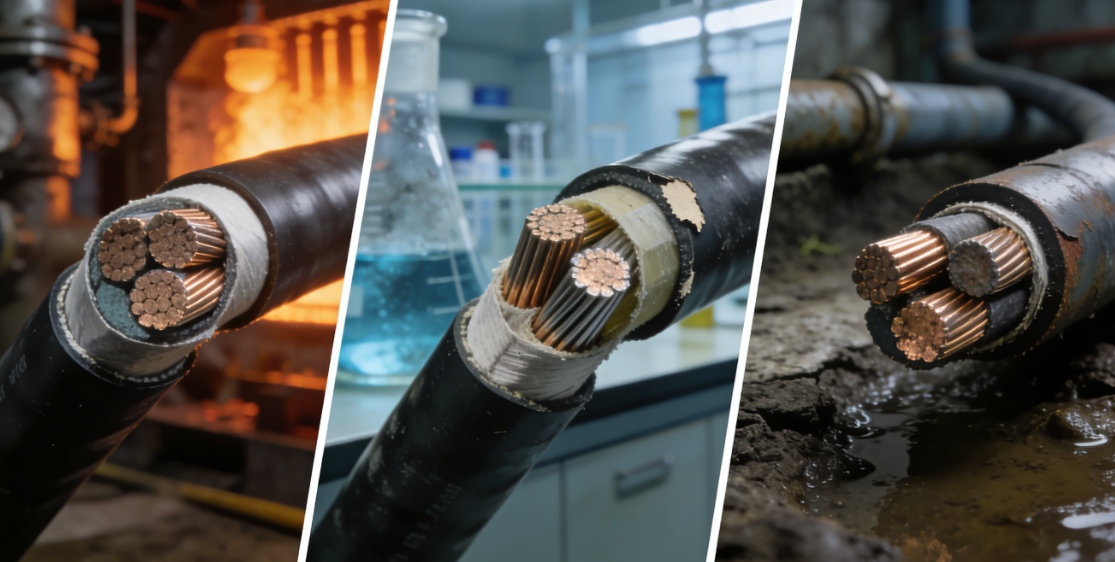
Surrounding conditions greatly impact the life span of PVC-insulated cables. Cables for 600 volts must keep conductor temperatures below 70°C for polyethylene (PE) and Polyvinyl chloride (PVC) insulated conductors. Or below 90°C for cross-linked polyethylene (XLPE) insulated conductors. This shows that temperature limits need careful watching to stop softening or splitting.PVC cables also stand up well to water and chemicals. The making process is straightforward. There are no laying height limits. They are lightweight with good bending ability. Joints are easy to make. They resist oil, acids, and alkalis. For outdoor or factory settings with sun or harmful substances, choose UV-protected or armored types. These prevent early wear. If you wonder what is pvc cable, it refers to insulated wiring made from this versatile plastic material.
How Does the Manufacturing Process Affect PVC Cable Durability?
Analyzing the Extrusion Process for PVC Cables
The extrusion method shapes the evenness and sticking of covering layers. Good control of extrusion heat makes sure PVC stays springy without getting too hot. Too much heat can lead to heat breakdown. Not enough heat causes weak links between the wire and covering. Makers need to watch speed and heat closely. This creates steady wall depth.Quality checks during making are just as vital. Every step—from wire readying to outer layer—requires watching for flaws like gaps or uneven covering thickness. These can weaken physical power. Cable models not listed in the table can be composed according to the provisions of E.1.2. This option lets makers adjust designs. At the same time, they follow tech rules. Products from TDDL cable ensure high standards in this process.
Understanding the Role of Testing in Manufacturing Durable PVC Cables
Testing makes sure each group meets power and physical needs before shipping. Common checks cover pulling strength, stretch before breaking, voltage-withstand tests, and covering resistance measures. Example 3: Copper core PVC insulated PVC sheathed soft power cable, type 5 conductor, rated voltage 0.6/1kV. These details set performance goals under normal settings.Following country and global rules like GB/T 12706 or IEC 60502 assures product dependability in many uses. Standards: Include GB/T 12527-2008 (China), IEC 60502-1 (International), ICEA S 70-547, ICEA S 76-474 (USA), NFC 33-209 (France), AS 3560.1 (Australia), BS 6485, BS 7870-5 (UK), SANS 1418 (South Africa), and PIESA 1004-1. Meeting these shows a maker’s focus on lasting safety and strength. For those asking pvc cable meaning, it simply denotes cables with PVC insulation for reliable power transmission.
How Can Installation Practices Influence the Longevity of PVC Cables?
Best Practices for Installing PVC Cables in Industrial Settings
Right installation directly shapes service duration. Workers should stick to suggested bend curves to prevent strain on wires or breaks in covering. Pulling too hard can harm inside parts. This leads to lower electrical strength.Steering clear of physical harm during setup is very important. Sharp corners or rough spots can scrape outer layers. This creates weak points that might fail under weight or weather pressure.
In factory areas with shaking or high dampness, armored styles work better. They give extra guard against hits and rust. PVC insulated steel belt armored PVC sheathed power cable Can be laid indoors, along the road, cable trench, underground, flammable and severely corrosive places. Understanding what is pvc cable used for helps in picking the right type for such demanding spots.
Maintenance Strategies to Enhance the Lifespan of PVC Cables
Regular checks spot early wear signs like color changes or skin cracks from heat build-up or UV rays. Steady tests of covering resistance keep electrical soundness as time goes on.Storage setups also affect length before setup. Keep cables from direct sun or heat sources that speed plasticizer loss. Dry storage spots stop water uptake. This avoids harm to electrical traits later. When sourcing materials, consider options to buy charring agent for lsoh factory for added fire safety in related applications.
What Are the Comparative Advantages of Different Types of PVC Cables?
Comparing Single-Core vs Multicore PVC Cables for Durability
Single-core cables fit tight spots easily. But they might need extra physical guard when used alone in tough settings. Multicore cables, however, bundle several wires in one outer layer. This gives better physical steadiness in changing conditions.By industry groups, Multi-core cables include covered phase wires and a neutral wire (bare or covered). They use metals like aluminum or copper for phases. This setup boosts bendability. It also cuts setup hassle in factory systems with many circuits running together.
Cost savings vary by situation. Single-core types may work for short power runs. Multicore ones provide greater overall value in tricky wiring setups needing small designs. For specialized needs, explore XLPE options alongside PVC cable for superior heat resistance.
Evaluating Low Voltage vs High Voltage PVC Cables for Long-Term Use
Low-voltage PVC cables handle home and light factory tasks well. They are simple to manage and cheap. Their rated levels ensure safe running within set bounds. This avoids too much heat on covering layers.Medium voltage power cables fit many surroundings. They are safe and hidden. External weather does not affect them. They need little upkeep and last long (usually over 30 years). This points out how higher-rated setups demand tougher build materials. For instance, cross-linked polyethylene with PVC outer layers boosts endurance under power strain.
Using any cable past its voltage limit risks fast aging from higher electrical loss. This can lead to failures in the end. So, right picking based on system needs stays vital for ongoing work. In cable cases, selecting from trusted suppliers like those offering buy charring agent for lsoh manufacturers ensures quality enhancements.