



Oct 29, 2026
AAC vs AAAC vs ACSR: Which Bare Conductor Is Best for Your Overhead Line
The selection of a bare conductor for the overhead line is weighted by its electrical capacity, strength, and design span length over which sag must flow, along with other considerations such as corrosion exposure where installed in any given application, versus installation costs. Different design problems are solved with different conductive materials such as AAC conductor, AAAC conductor, and ACSR. Instead of one-size-fits-all, we determine construction based on project voltage /current/spans and weather loading/hardware requirements.
What Should a Bare Conductor Do in an Overhead Line?
The system conducts current through open air using only phase spacing, insulators, and clearances instead of relying on a polymer jacket as with insulated conductors. The light conductor, heats dissipative construction is also good for tower overheads; heat dissipation occurs. Continuous temperature, short-circuit duty, wind and ice, vibration and sag/clearance must still be met by the conductor with limits. Our guidance notes for overhead cable materials indicate that light, like Aluminum with better corrosion resistance, is traded off against different forms of conductivity (Aluminum alloy to improve mechanical strength) . And that's what determines the choice between AAC, AAAC 6201 and ACSR.How Does AAC Conductor Perform on Moderate Spans?
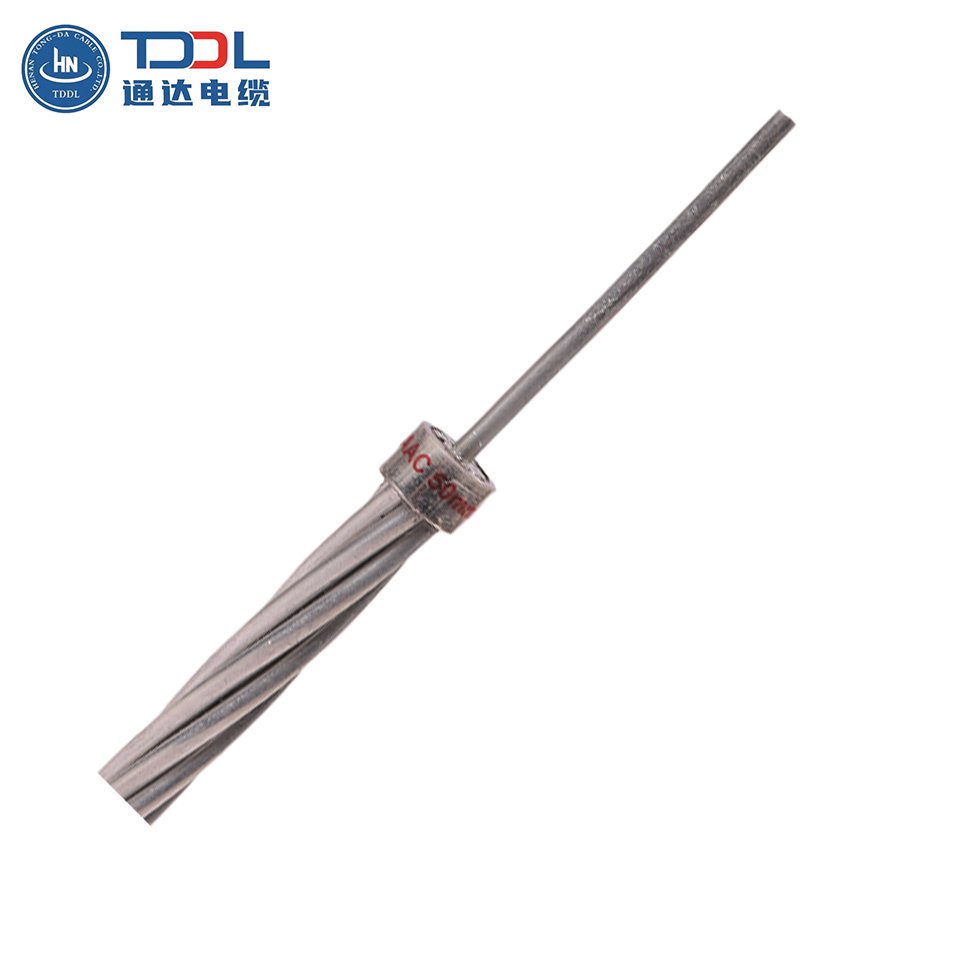
All-aluminium conductor, or AAC: this consists of concentric strands of hard-drawn aluminum. It provides good conductivity for its weight, and has a simple, even construction that lends itself to straightforward termination. Urban distribution, short and medium spans and circuits where current capacity reigns supreme over ultimate tensile strength make AAC a natural fit. The drawback is its lower mechanical strength compared with an alloy or metal-reinforced design, so that long spans and/or heavy ice loads may call for some other alternative form of reinforcement.
When Is AAAC Conductor or AAAC 6201 the Better Fit?
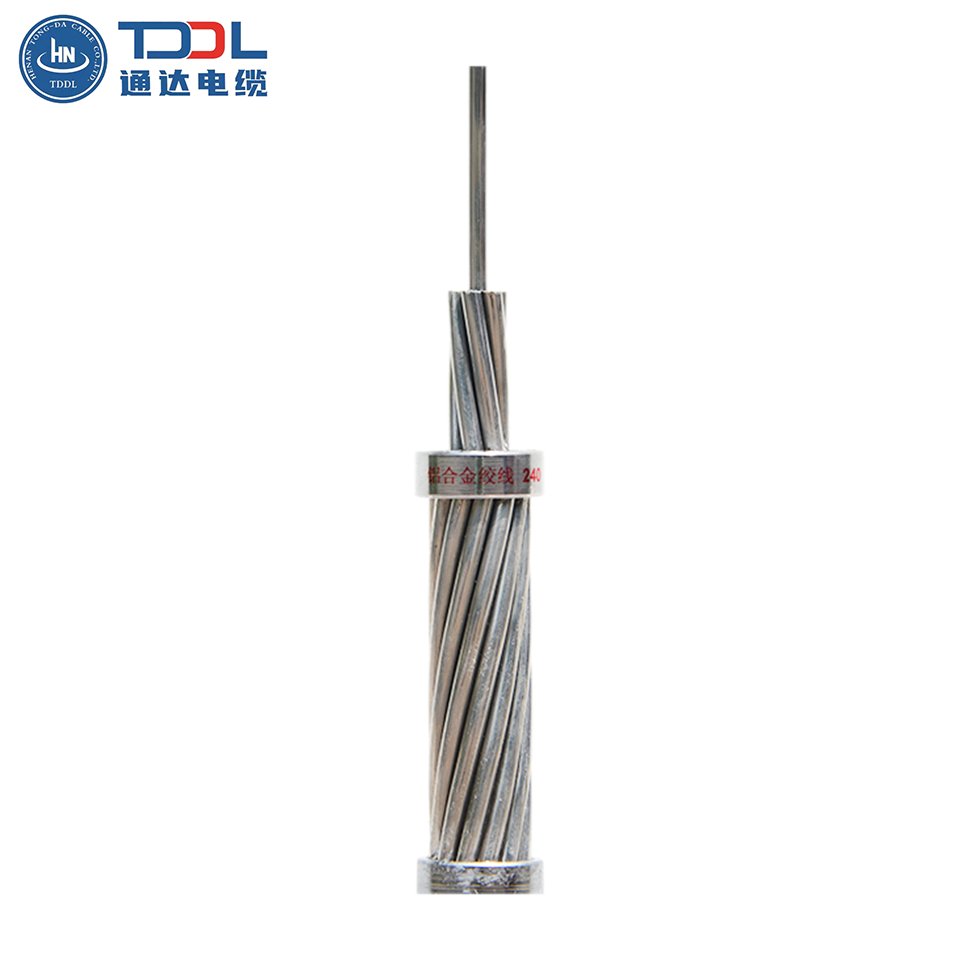
Stranded aluminium alloy, rather than pure aluminium, is used to make AAAC conductors. AAAC 6201 is generally specified if a line requires added tensile strength & greater resistance to mechanical deformation while still being lighter than the steel-reinforced conductor. It provides corrosion resistance in a coastal or industrial environment and helps to reduce sag. AAAC, compared with AAC conductor, usually sacrifices some conductivity to gain strength; therefore, the cross-section and thermal rating need to be verified from the applicable standard table. Alloy temper, jointing method, and surface condition are also important during the installation.
Why Choose an ACSR Conductor for Long Spans?
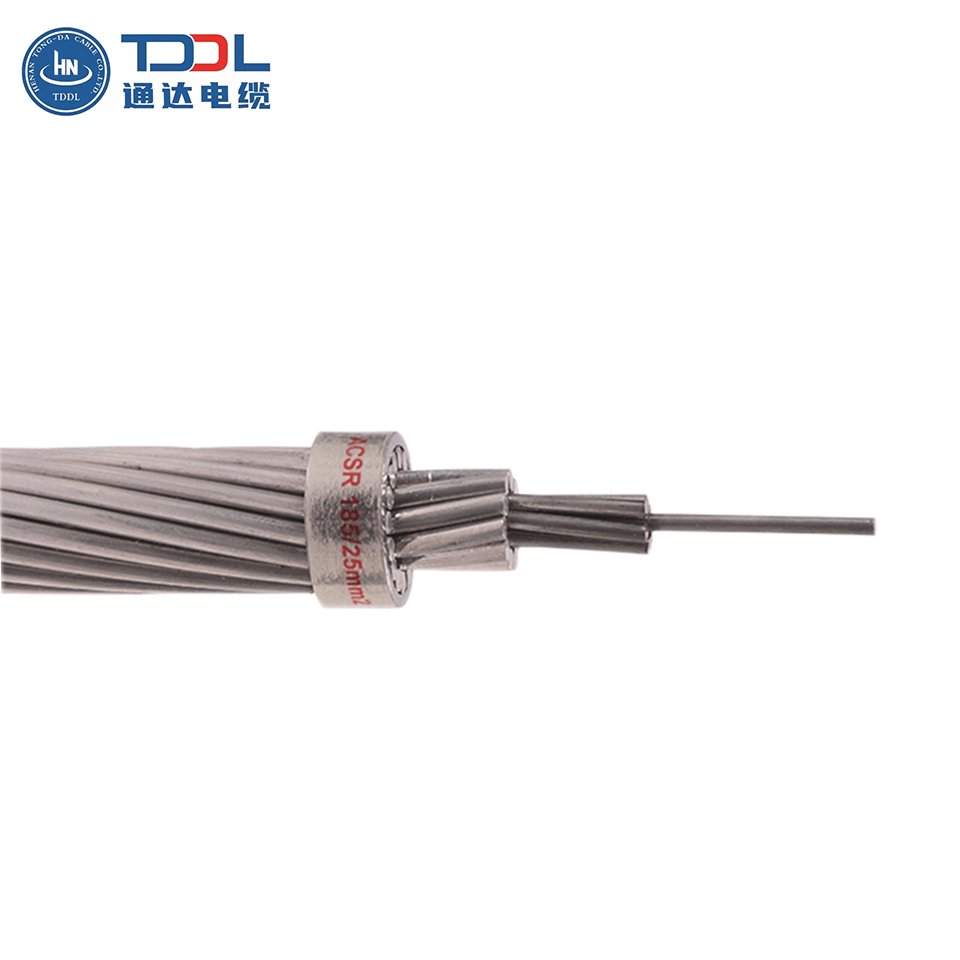
An ACSR conductor has aluminum strands die around a galvanized steel core. The aluminum conducts most of the current; the core provides high tensile strength and controls sag. This makes ACSR suitable for long spans, river crossings where the terrain is hilly in nature, and lines have an imposing structure to clear. Electrical capacity or mechanical performance can be adjusted by changing the steel-to-aluminum ratio. ACSR has to be installed with compatible compression fittings, and stringing tension should also be monitored along with vibration and corrosion protection.