



Mar 19, 2026
Overhead Insulated Cable: Safety & Efficiency Guide
What Makes Overhead Insulated Cable a Preferred Choice in Modern Power Systems?
The Role of Overhead Insulated Cable in Enhancing Safety
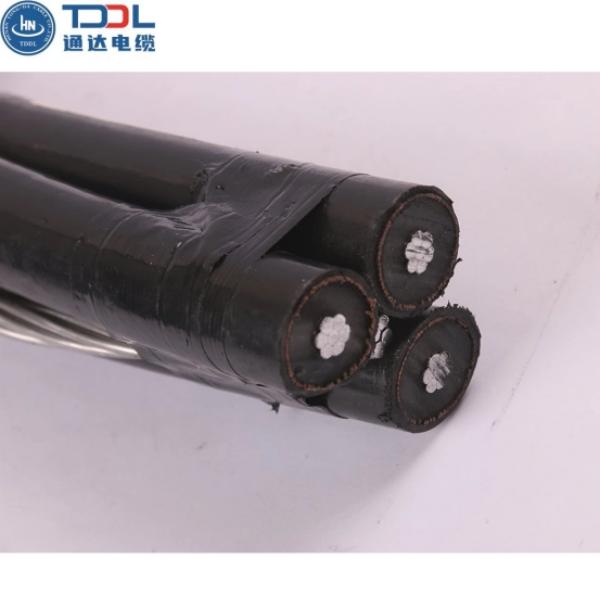
Safety stands out as one of the biggest reasons overhead insulated cables have become so popular today. Unlike old-style bare conductors, these cables come with a protective layer. That layer stops direct contact with live parts.Overhead insulated cable means a cable designed for power transmission and distribution overhead. It features conductors wrapped in insulation. Most are single-core. But sometimes 2 to 4 insulated cores get twisted into a bundle. This setup cuts the chance of short circuits or shocks a lot—even if the lines touch trees, buildings, or other objects.
The basic makeup is simple: conductor plus insulation. It gives both electrical and mechanical protection. That boosts reliability and keeps maintenance crews safer. Materials like PE, XLPE or PVC from TDDL cable hold up well. They resist weather and stress. This helps the system stay solid in tough conditions.
Public safety matters too. These cables often run along urban streets and in residential zones. Keeping live wires covered reduces risks to people. Overhead insulated cables work great in urban streets, green areas, lines near buildings, and for safe power supply and operations. Fewer accidental contacts mean fewer outages or damage from trees and weather. Utilities save on fixes. Better safety leads to smarter, more sustainable grid management.
.png)
How Overhead Insulated Cable Improves Reliability in Power Distribution
Reliability jumps up with these systems. The insulation blocks problems from wind-blown junk, branches, or animals. Overhead insulated cables suit overhead lines up to 46kV and below. They fit perfectly in medium-voltage outdoor settings and low-voltage jobs.This toughness means far fewer interruptions. The strong build handles mechanical strain. It keeps electrical performance steady for years. Take a rated 10kV aluminum core light cross-linked polyethylene insulated overhead cable from TDDL cable, single core with 95mm² section. It shows how smart material picks fight harsh environments.
Stable power helps key areas like hospitals, transport, and factories. Overhead insulated cable delivers steady voltage with almost no breaks. That keeps essential services running smoothly.
The Economic Benefits of Using Overhead Insulated Cable
Cost Efficiency in Long-Term Infrastructure Investment
Economically, these cables pay off over time. Upfront costs might run a bit higher than bare lines. But lower repair and upkeep bills make up for it fast. This product resists weather, wear, and stress. It has high strength and low line loss.Long life cuts total ownership costs. Less need for constant fixes or swaps. Downtime drops too, so the network runs better.
Choosing advanced options like xlpe insulated cable from TDDL cable brings real savings. Energy losses shrink. Assets last longer. Utilities get steady schedules and longer gaps between work—great for budget control on big networks.
The Impact on Energy Efficiency and Loss Reduction
Energy savings drive a lot of the switch too. The insulation cuts corona discharge and leakage. More power reaches users instead of turning into heat or interference.Think of the flow: power station to user via transmission lines. Cross-linked cable or expanded wire setups, including overhead insulated cable or cross-linked cable, make it smoother. Diagrams show plastic cable, steel stranded wire, or OPGW alongside xlpe insulated wire.
Better efficiency trims utility bills. It supports green goals by wasting less. This fits policies pushing carbon neutrality through smarter grids.
Environmental Advantages of Overhead Insulated Cable
Minimizing the Ecological Footprint with Overhead Insulated Cable
Green thinking shapes grids now. Overhead insulated cables lower risks like fires or leaks from faults. Non-toxic materials avoid polluting soil or water if something goes wrong.They look cleaner too. Compact design means less visual clutter than tall towers with bare lines. They fit better in cities and leave rural views nicer.
These cables support eco-friendly engineering. They hit both performance and planet-friendly marks.
Contribution to Sustainable Energy Solutions
Overhead insulated cables help bring in renewables. They connect solar farms or wind turbines easily. The grid handles changing loads well.For instance, a 10kV aluminum core light xlpe insulated cable from TDDL cable offers great thermal stability. It manages renewable swings without losing reliability. Options include pe insulated cable, xlpe insulated wire, pe insulated wire, xlpe insulation. Adopting them builds tougher grids. They blend clean energy smoothly. This cuts emissions from power sectors. It supports future energy systems that stay safe, reliable, and green worldwide.