



Jul 23, 2026
RHZ1-OL vs. RHZ1-2OL Cable: How to Choose the Right Water-Blocking Medium Voltage Cable
RHZ1-OL vs. RHZ1-2OL Cable: Key Factors in Selecting the Right Water-Blocking Medium Voltage Cable
The Role of Water-Blocking Design in Medium Voltage Cables
Water ingress remains one of the most critical factors affecting the long-term reliability of medium voltage systems. Water-blocking structures in an RHZ1 cable are engineered to prevent moisture migration that can degrade insulation and accelerate aging. Longitudinal and radial water protection mechanisms serve distinct purposes: Longitudinal and radial water protection mechanisms perform different functions. Longitudinal water blocking stops water spread along the cable axis, which is realized by water-blocking tapes. Radial water blocking avoids water penetration through the sheath into cable cores, which is achieved by adopting aluminum-plastic composite tape combined with PE outer sheath over the metallic shielding layer. Proper selection between a longitudinal water-blocking cable and a radial water protection cable ensures optimal reliability for underground or humid installations where condensation or groundwater exposure is common.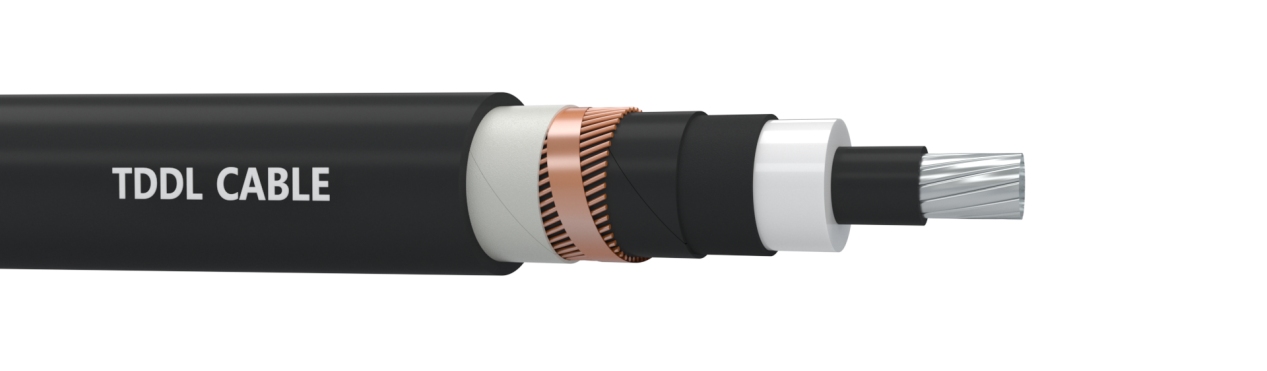
Comparing RHZ1-OL and RHZ1-2OL Structural Designs
The structural difference between RHZ1-OL and RHZ1-2OL determines their performance under varying environmental conditions. In accordance with HD 620 S2 standard, RHZ1-OL adopts water-blocking tapes for longitudinal water blocking only on the metallic shielding layer. By contrast, RHZ1-2OL provides longitudinal water blocking for both conductors and metallic shields. For projects with stringent water resistance requirements, many clients specify RHZ1-2OL to represent cables with longitudinal water blocking for conductors plus both longitudinal and radial water blocking for metallic shields. The basic structure of a medium voltage power cable consists of four parts: conductor, insulation layer, shielding layer, and protective layer. RHZ1-OL and RHZ1-2OL integrate extra water-blocking materials, which slightly increase structural complexity and cable weight, yet greatly extend service life when laid in humid environments.Performance Considerations for Different Installation Environments
Underground distribution networks are frequently exposed to high soil humidity, requiring robust water-blocking structures to slow insulation aging. Tunnel networks and industrial plants benefit from dual water-blocking designs such as those found in RHZ1-2OL cables, which maintain dielectric integrity under cyclical temperature variations.Environmental indicators including humidity, corrosion risk and thermal cycling shall be fully assessed to guarantee stable performance of each RHZ1 cable variant during its full service life.How Do RHZ1 Cable Specifications Affect Electrical Performance?
Conductor Materials and Insulation Properties
Aluminum conductors feature decent electrical conductivity and low mass, making them an ideal conductor material for RHZ1 series cables. Cross-linked polyethylene (XLPE) advantages include better electrical properties than polyethylene; its mechanical properties are better than polyethylene, so it is more widely used than polyethylene. XLPE insulation enhances dielectric strength while resisting thermal stress up to 90 °C continuous operation with short-circuit tolerance up to 250 °C. Material quality directly influences current-carrying capacity, voltage endurance, and long-term stability—key metrics when assessing RHZ1 cable specs for medium voltage networks.Shielding, Sheathing, and Armor Options in RHZ1 Cables
Metal shielding outside the insulation layer limits the electric field and electromagnetic interference. This copper tape or wire shield ensures electromagnetic compatibility with adjacent systems. The outer sheath acts as the cable’s outermost protective layer; PE and PO are the most widely adopted thermoplastic sheath materials. RHZ1 series cables are not equipped with armor layers.Voltage Ratings and Compliance Standards for RHZ1 Cables
Medium voltage power cables are classified as 3.6/6 kV, 6/10 kV, 8.7/15 kV, 12/20 kV, 18/30 kV, 21/35 kV. These ratings align with IEC 60502 compliance requirements, ensuring operational safety under defined stress conditions. IEC 60502 “Extruded insulated power cables and their accessories with rated voltages of 1 kV (Um=1.2 kV) to 30 kV (Um=36 kV)” defines testing parameters including partial discharge limits and insulation integrity verification.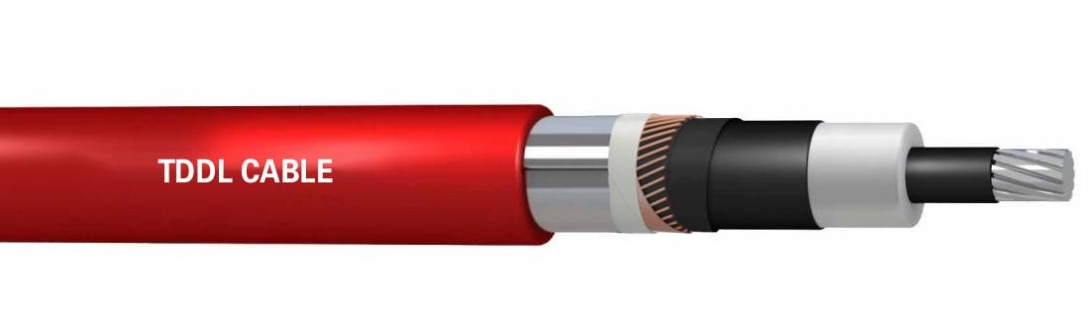
What Are the Main Differences Between RHZ1-OL and RHZ1-2OL?
Longitudinal vs Radial Water Protection Mechanisms
In accordance with HD 620 S2 standard, RHZ1-OL adopts water-blocking tapes for longitudinal water blocking only on the metallic shielding layer. By contrast, RHZ1-2OL provides longitudinal water blocking for both conductors and metallic shields. For projects with stringent water resistance requirements, many clients specify RHZ1-2OL to represent cables with longitudinal water blocking for conductors plus both longitudinal and radial water blocking for metallic shields.RHZ1-2OL delivers far superior overall water-blocking performance compared with RHZ1-OL.
Mechanical Strength, Flexibility, and Installation Efficiency
The lighter construction of an RHZ1-OL facilitates easier in duct or limited-space installations. However,RHZ1-2OL provides superior water resistance. When both longitudinal and radial water blocking are applied on the metallic shield, duct laying offers optimal cable protection; direct burial is also acceptable if duct laying cannot be implemented on site.Cost Implications of Enhanced Water Blocking Designs
Enhanced radial barriers increase production costs due to additional material layers but significantly reduce maintenance frequency by preventing moisture-related faults. Life cycle analysis reveals that while initial procurement cost rises slightly for an RHZ1-2OL cable, reduced downtime compensates through lower total cost of ownership across decades of operation.How to Evaluate Total Cost of Ownership (TCO) for an RHZ1 Cable Project?
Initial Procurement vs Operational Costs Over Time
Procurement encompasses not only cable price but also connectors, joints, accessories, and labor expenses required during deployment. Operational expenditures stem from energy losses due to conductor resistance variations and potential repair interventions following environmental damage events. A comprehensive TCO evaluation should balance immediate budget considerations against projected service longevity.Maintenance Requirements Based on Water Protection Type
Single-layer longitudinally sealed cables may require periodic inspection within high-moisture corridors such as tunnels or basements to detect early-stage degradation signs. Dual-layer configurations like RHZ1-2OL minimize inspection frequency because their double sealing ensures prolonged barrier integrity even under persistent hydrostatic exposure.Economic Value of Reliability in Critical Infrastructure Applications
Reliable medium voltage cables limit service interruptions across urban grids or renewable integration points—reducing unscheduled outages that elevate OPEX figures. By maintaining continuity through superior water-blocking architecture, operators achieve higher network availability supporting sustainability objectives within modern energy distribution frameworks.Which Applications Benefit Most from Each Cable Type?
Ideal Use Cases for RHZ1-OL Cables
RHZ1-OL serves efficiently within dry tunnels or controlled substation halls where environmental humidity remains stable. Its longitudinal-only design mitigates condensation without over engineering cost-sensitive projects demanding standard reliability thresholds.Ideal Use Cases for RHZ1-2OL Cables
RHZ1-2OL excels in underground distribution networks exposed to groundwater infiltration risks such as areas with heavy rainfall requiring advanced radial sealing properties. This configuration extends operational lifespan by preventing dielectric breakdown caused by continuous moisture presence—making it ideal as a medium voltage cable for underground distribution systems managed by utilities prioritizing resilience.How Do Medium Voltage Cable Connectors Influence System Reliability?
Compatibility Between Connectors and Water-Blocking Designs
Connectors shall maintain sealing performance consistent with the cable’s internal water-blocking structure. Otherwise, local leakage channels will form and damage overall system integrity. TDDL cable’s accessories are designed specifically to maintain compatibility across both OL and 2OL variants, ensuring consistent moisture resistance at termination points throughout network deployment.Installation Practices That Preserve Water-Blocking Performance
Field technicians should employ precision jointing techniques eliminating air gaps that could trap humidity inside interfaces. Heat-shrinkable or cold-shrink terminations enhance seal uniformity around conductor shields while post-installation testing verifies uninterrupted continuity across all water-blocking layers before energization.FAQ
Q: What is the main difference between RHZ1-OL and RHZ1-2OL cables?
A: The core difference lies in their water-sealing structure.RHZ1-OL only provides longitudinal water blocking for conductors, while RHZ1-2OL delivers longitudinal water blocking for both conductors and metallic shields. In many application scenarios, RHZ1-2OL also refers to cables equipped with longitudinal blocking for conductors plus both longitudinal and radial water blocking for metallic shields.Q: When should I choose an RHZ1-2OLover an RHZ1-OL cable?
A: Select an RHZ1-2OL when operating in underground ducts or high-humidity areas where groundwater contact could jeopardize insulation performance; its dual protection ensures stable operation under severe environmental stress.Q: What are typical applications for medium voltage cable types like TDDL cable series?
A: We supply primarily for power distribution networks, including renewable energy connections, industrial complexes, tunnels, and municipal underground infrastructures requiring durable medium voltage transmission solutions compliant with IEC standards.Q: How does water blocking affect the total cost of ownership of an RHZ1 cable?
A: Advanced sealing increases upfront investment but drastically lowers maintenance demand by minimizing fault incidence—thereby reducing cumulative operational expenditure over time when calculating rhz1 cable total cost of ownership metrics.Q: Are there specific connectors recommended for use with water-blocking medium voltage cables?
A: Yes; connectors engineered for TDDL cable’s product line maintain both electrical continuity and mechanical sealing alignment across OL as well as 2OL constructions, safeguarding full functionality throughout service life without compromising barrier integrity.