



Oct 30, 2026
Copper vs Copper Alloy Contact Wire: How to Choose for Railway Electrification
Copper vs Copper Alloy Contact Wire: How to Choose for Railway Electrification
When selecting a contact wire for a railway, the choice of copper or copper alloy will impact current collection, mechanical life, operational stability, and overall maintenance costs. The contact wire is one part of the overall overhead contact wire system and thus depends on a number of factors including current, speed, wire length, wire tension, environmental exposure and expected service life. This article compares the use of copper contact wire to copper-silver, copper-tin, and copper-magnesium contact wire, with notes on how we approach contact wire selection for a railway at TD Cable.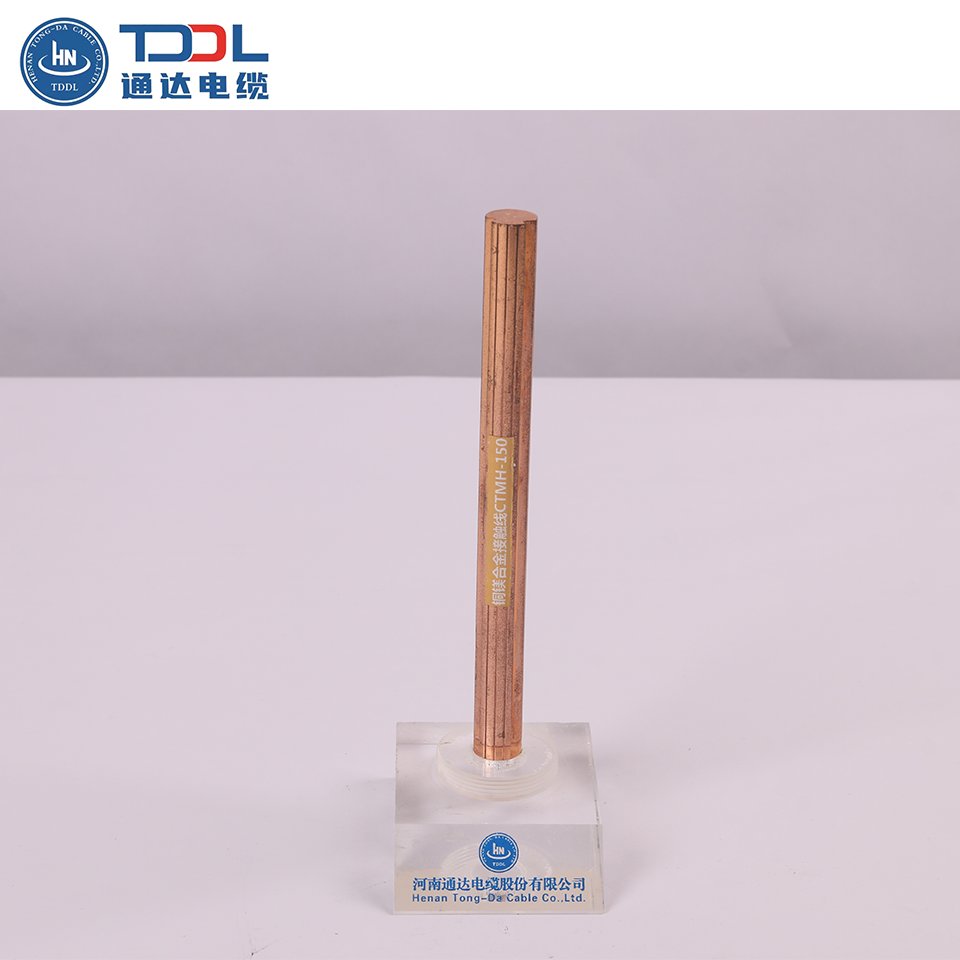
What Does a Railway Contact Wire Do in an Overhead Contact Wire System?
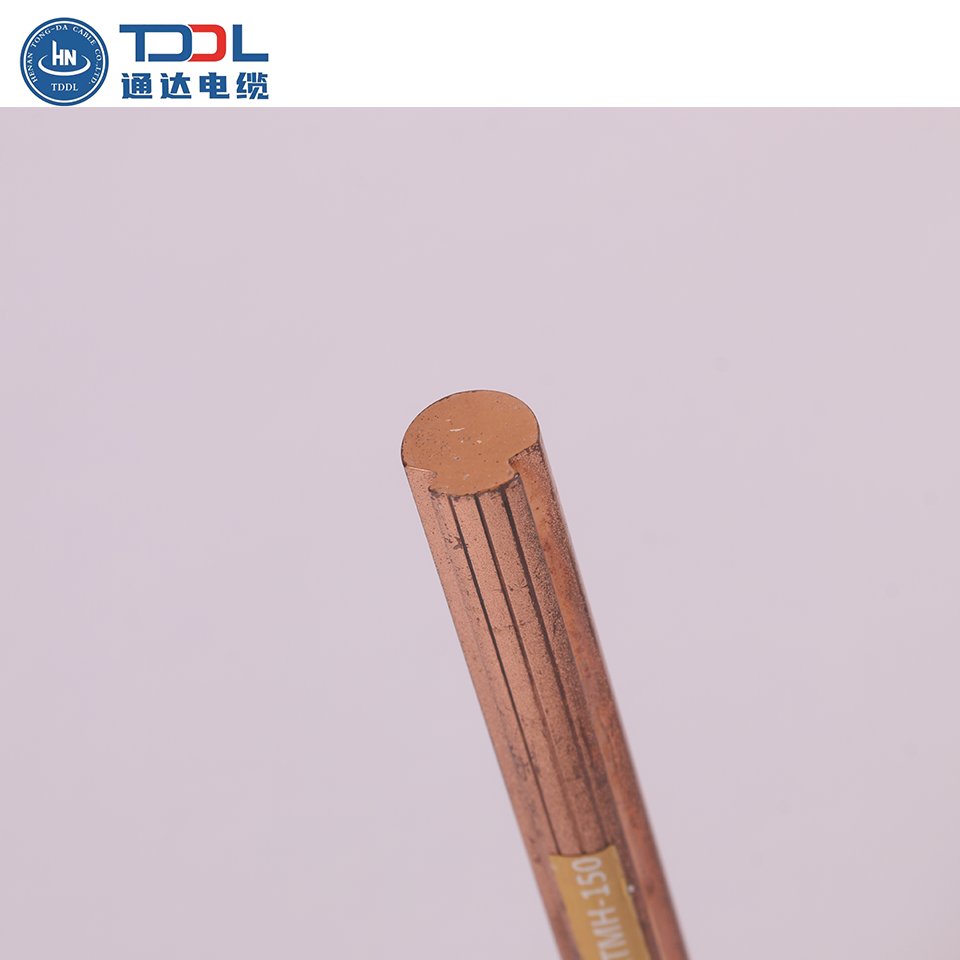
The railway contact wire is the current-carrying conductor that is contacted by the current collector of a train. It distributes the power picked up from the overhead wire to the train and has to run smoothly on the collector strip. The two clamping grooves in the contact wire enable it to be fixed in the wire fixing clips, and it runs on the correct surface.Conductor wire is not used in isolation. Catenary wire, droppers, registration arms, suspension clamps and other support equipment are all needed to support the contact wire at the correct height, with the correct stagger and to the correct tension along the track. If the wire becomes too soft, wears, or becomes unstable, then the collector will lose contact with the wire, resulting in excessive arcing, which can quickly deteriorate the surface of the wire.
Our product information identifies copper or copper-silver drawing stock, as well as copper-magnesium and copper-tin alloys, for grooved contact wires used in railway applications, fixed installations, and electric traction. The same design principles apply when an overhead contact wire is used in urban rail, conventional electrification, or selected high-speed railway systems.
How Do Copper Contact Wire and Copper Alloy Contact Wire Compare?
What does copper contact wire weigh against copper alloy contact wire in actual railway service? Under typical duty, pure copper offers high electrical conductivity. In situations where high current is to flow and only moderate mechanical stress is to be encountered, copper contact wire is a straightforward choice. It is well known to all in the industry, to all installers and maintenance personnel.Copper alloy contact wires contain a controlled mix of alloying elements to increase strength, hardness, resistance to softening, and to improve wear characteristics. Although conductivity is reduced below that of pure copper, the increase in mechanical properties can be of greater value at high running speeds, high wire tensions, long wire spans and frequent pantograph wire contact.
All aspects of the candidate’s performance should be taken into account when making a selection.
| Criterion | Copper contact wire | Copper alloy contact wire |
| Electrical performance | Highest baseline conductivity | Lower than pure copper, depending on grade |
| Tensile performance | Suitable for moderate mechanical duty | Higher strength available for demanding duty |
| Surface hardness | Good, but generally softer | Improved hardness and wear resistance |
| Thermal stability | Good under rated conditions | Better resistance to softening in selected grades |
| Typical selection logic | High current and moderate wear | High speed, high tension or severe wear |
Which Copper Alloy Contact Wire Materials Fit Railway Electrification?
Copper Silver Alloy Contact Wire
Copper silver alloy contact wire has improved softening resistance and mechanical strength at elevated operating temperatures. The silver in the alloy helps to keep the wire’s useful mechanical properties when the wire is subjected to heat from current flow and from sliding against a contact.Copper silver alloy contact wire is a useful material where a solid contact surface, high tensile strength and a stable geometry are required. For overhead lines of high demand, the approved grade, size and current carrying capacity must be checked against the project design and copper silver alloy contact wire considered where appropriate.
Copper Tin Alloy Contact Wire
Copper tin alloy contact wire is strong, hard and resistant to mechanical wear. It is therefore particularly suitable for overhead contact wire applications where the wire is subject to repeated passes of the collector and corresponding sliding action.It may be of use where a railway operator wishes to reduce wear on surfaces and extend maintenance periods. The conductivity and mechanical properties of this material will vary depending upon the composition and temper of the alloy. Therefore, data from tests should be sought from the supplier rather than relying upon the alloy name alone.
Copper Magnesium Alloy Contact Wire
Copper magnesium alloy contact wire has increased tensile strength and good electrical characteristics. Magnesium in the alloy improves the mechanical properties of the conductor. This alloy is of interest where increased tension, long spans, and long-term wire geometry are a problem.Key parameters for a contact wire for a railway, such as elongation, hardness, resistivity, tensile strength, and fit with fittings, need to be evaluated against other materials, as well as the catenary and current collector.
How Does Conductivity and Tensile Strength Affect Material Selection?
Material selection for railway contact wire starts with the amount of current to be carried and the maximum temperature permitted. Tension, span, wind load, collector speed, frequency of traffic, frequency of maintenance access etc., must all be considered. The conductivity of a copper alloy contact wire is grade-specific, so the cross-section must be checked against the electrical design for the amount of current that is allowed to be carried.Tensile strength of the contact wire made of copper alloy helps to reduce sagging and improve stability under dynamic loading. A wire of higher tensile strength is able to keep the contact surface properly within contact geometry, even if the contact line is exposed to vibration, to temperature changes or to an increase in mechanical tension. This is particularly important if trains are running at higher speeds. Even minor changes in contact surface geometry can affect current collection.
The key property of electrical conductivity must be balanced against other essential characteristics such as tensile strength, wear resistance, high temperature properties and site installation conditions, rather than being based upon a single laboratory test figure. Excessive conductor resistance causes voltage drop with consequent risk of overheating, whilst undersized conductors cannot carry the necessary current.
What Railway Contact Wire Specifications Should Be Checked?
Nominal cross-section, groove dimensions, electrical resistivity, tensile strength, elongation, hardness, mass per metre, straightness and surface finish must be documented for a contact wire prior to its approval for use as a railway contact wire. The documentation should also include the alloy grade, the manufacturing conditions, the method of inspection and the acceptable limits.We need to confirm the appropriate standard and project inspection plan for your railway contact wire project. Our range of contact wire is described by BS EN 50149, TB/T 2809, and other relevant railway specifications. The identification grooves can also be described to differentiate between the various types of copper alloy wire to prevent incorrect materials from being fitted for maintenance or being mixed up on site.
Please check the complete overhead line design and collector for contact wire for a high-speed railway project. This wire must be checked against the type of pantograph, maximum speed of the train, wire tensioning, contact force, wire registration, etc., and expected wear. Material that is performing well on one railway most probably won’t perform well enough on another if mechanical and electrical conditions are significantly different.
Which Contact Wire Should We Choose for a Railway Project?
Pure copper conductors are chosen when maximum conductivity and current margin are most important, mechanical duty is moderate, and design allows for some expected wear and tear. In many railway electrification projects, such as those with normal spans, speeds, and tension, copper is a very practical choice.Choose copper alloy contact wire for railway electrification when higher wire tension, collector speed, longer spans, operating temperature, repeated current collection, or lower maintenance risk outweigh maximum conductivity. Copper-silver, copper-tin, and copper-magnesium grades are available to offer different combinations of conductivity, strength, and wear resistance.
The specifications of the contact wire, the alloy, the cross-section and the relevant standards can be checked to determine the appropriate Contact Wire (Cu-Ag/Cu-Sn/Cu-Mg Alloy) for service on a particular line. For further product details, please see the Contact Wire (Cu-Ag/Cu-Sn/Cu-Mg Alloy) page, our range of railway contact and catenary wire.