

Jul 16, 2026
How to Choose Aluminium Clad Steel Wire for Grounding and OPGW
What Factors Should Be Considered When Selecting Aluminium Clad Steel Wire for Grounding and OPGW?
Evaluating Electrical Conductivity and Mechanical Strength
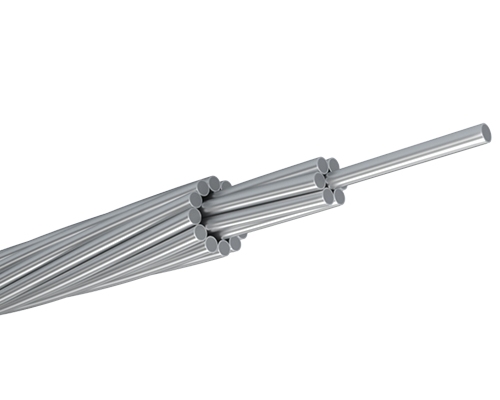
Choosing the right aluminium-clad steel wire (ACS wire) means finding a good balance between conductivity and tensile strength. The steel core provides solid support for long spans. The aluminium coating improves current flow.Aluminium-clad steel wire is a bimetallic conductor with high mechanical strength, solid electrical performance, strong steel-aluminium bonding, even coating, and corrosion resistance. This combination helps engineers achieve better electrical and mechanical performance in grounding and OPGW systems. The steel core share affects tensile properties. More steel increases strength. However, it can reduce conductivity slightly. The aluminium coating thickness needs to fit the required current flow. It must also maintain flexibility and fatigue life.
Assessing Corrosion Resistance and Environmental Durability
Durability of overhead lines exposed to humidity, salt spray, or industrial pollution is important. Aluminium-clad steel conductors are suitable for application in coastal areas, saline-alkali beaches, industrial zones, etc., where there is heavy salt spray corrosion. The aluminium cladding on the steel core prevents the steel from getting oxidised or undergoing galvanic corrosion.Aluminium-clad steel conductors offer better corrosion resistance than galvanized steel conductors. When aluminium-clad steel serves as a lightning arrester, it shows strong thermal stability and overload capacity. Its corrosion resistance reduces line maintenance and overhaul costs. Over time, ACS wire lasts longer in tough settings than traditional galvanized options.

Understanding Compatibility with OPGW and Grounding Systems
In OPGW setups, the conductor design must work with optical parts. This ensures steady performance under tension. The concentric-lay aluminium-clad steel strand spreads mechanical stress evenly across layers. It keeps alignment during installation. Aluminium-clad steel stranded wire consists of single wires of the same specifications and materials. It is mainly used for overhead ground wires and power grids with special requirements. Proper ACS wire specs matched to the grounding system needs ensure electrical continuity. They also lower resistance at connection points in transmission networks.How the Structure of Aluminium Clad Steel Wire Affects Its Performance
The Role of Aluminium-Clad Steel Core Wire in Strength Retention
The aluminium-clad steel core wire forms the backbone of ACS construction. It delivers high tensile strength under heavy loads. Aluminium layer thickness determines flexibility. Thicker coatings improve corrosion resistance. However, they may limit bending tolerance. Hard-drawn versions increase tensile capacity. Annealed types provide more ductility for certain installation needs. Both designs require steady bonding between aluminium and steel. This prevents delamination during stress cycles.Comparing Aluminium Clad Steel Wire vs Strand Configurations
Single-core aluminium-clad steel wire offers simplicity for grounding jobs that need direct earthing paths. Multi-strand versions known as aluminium-clad steel strands provide better vibration resistance. This helps overhead lines facing wind-induced oscillations. Steel stranded wire is made of steel single wires of the same specifications and materials. It is mainly used for overhead ground wires. Engineers choose between these setups based on environmental exposure, span length, and load-bearing needs.Influence of Concentric Lay Construction on Stability and Conductivity
Concentric layered structures create symmetrical layers around a central axis. They reduce torsional stress during stringing. This shape balances mechanical traits. It also supports even current spread across the conductive surface. The conductor is made of round single wires twisted concentrically. Such even layout aids long-term stability in grounding networks and OPGW systems where reliable conductivity counts.Why Aluminium Clad Steel Is Preferred Over Other Conductors for Grounding Applications
Comparative Analysis: Aluminium Coated Steel Wire vs Traditional Ground Wires
Compared with copper or galvanized ground wires, aluminium-clad steel conductor provides a strong mix of weight reduction, conductivity, and corrosion resistance. Aluminium-clad steel has the advantages of higher strength, better corrosion resistance, and better electrical performance than galvanized steel wire. These traits lower replacement needs in large projects. They also cut lifecycle cost. The material fits both primary grounding roles and counterpoise systems that need steady long-term electrical contact with earth potential.The Impact of High Strength-to-Weight Ratio on System Efficiency
High-strength overhead wire designs allow longer spans without much sag. They also reduce loads on towers or poles. The lighter mass of aluminium-clad conductors improves response under wind or ice load. This strength-to-weight edge keeps clearance standards even in bad weather.