



May 07, 2026
The Corrosion Resistance of AACSR AW Aluminum Alloy Conductor: How It Enhances the Long-Term Stability of Power Systems
Overview of AACSR AW Aluminum Alloy Conductor
Composition and Structural Characteristics
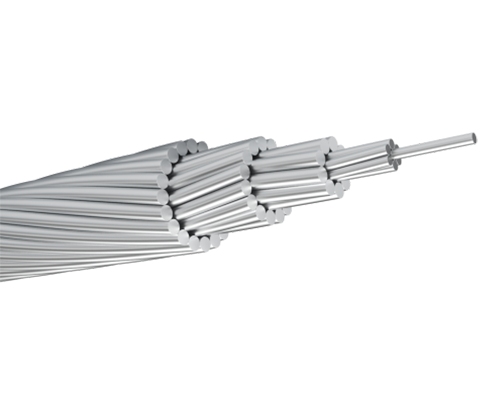
Aluminum alloy wires (1120 or 6201) are twisted together around an aluminum clad steel wire. This setup creates the AACSR AW (Aluminum Alloy Conductor Aluminum Clad Steel Reinforced) design. It mixes high-conductivity aluminum alloy strands with a tough aluminum-clad steel core. This mix gives good electrical performance and strong mechanical strength. The aluminum alloy offers fine conductivity. Meanwhile, the steel core boosts tensile strength. It helps the conductor handle big mechanical loads. The aluminum layer on the steel core acts as a shield. It keeps the steel away from electrolytic contact. Thus, it cuts down galvanic corrosion.At TDDL cable, we make AACSR AW conductors with careful metallurgical oversight. This ensures steady performance over long distances. Our items include AACSR/AW-Aluminum Alloy Conductor Aluminum Clad Steel Reinforced in our Bare Conductor group. This setup provides the best strength for line planning. At the same time, it keeps strong corrosion protection in tough settings.
Mechanical and Electrical Properties
AACSR AW conductors show a good balance between tensile strength and conductivity. The alloy mix affects factors like creep resistance, fatigue life, and electrical output. Adding magnesium and silicon to the aluminum alloy improves mechanical steadiness and heat tolerance. These traits make AACSR AW perfect for long-span setups. For example, it suits river crossings or mountain transmission lines. There, regular ACSR might not work well.AACSR gives the right strength for line design. The twisted conductor reaches the needed strength. It also raises the current capacity. This mix of ampacity and tensile power means that under strong wind or ice loads, the conductor holds its form and performance.
Mechanisms of Corrosion in Overhead Conductors
Environmental Factors Affecting Corrosion Behavior
Corrosion in overhead conductors comes mainly from environmental contact. Moisture, salt mist, factory pollutants, and changing temperatures all speed up electrochemical wear. In seaside areas or factory zones with acid emissions, surface rust rates rise a lot. These outside elements cause uneven growth stresses between metal layers. As a result, they lead to tiny cracks or separation at joints.Temperature changes also cause stress corrosion cracking. This happens from repeated growth-shrink cycles in different metals. Long contact with sea air worsens pitting on open surfaces. It occurs when protective oxide layers get damaged.
Electrochemical Reactions in Aluminum-Steel Interfaces
At the point where aluminum and steel parts meet, galvanic linking can happen. This is due to voltage gaps between the two metals. In normal conditions, a passive aluminum oxide layer builds up on the surface. It serves as a solid block against more oxidation. But in harsh settings like chloride-heavy air, this oxide cover can break down in spots. That leads to pitting or hidden corrosion.The aluminum cladding on the steel core lowers this danger. It stops direct touch between different metals. It also reduces galvanic voltage gaps.
Corrosion Resistance Characteristics of AACSR AW Conductors
Protective Role of Aluminum Cladding on Steel Core
The main benefit of AACSR AW is its aluminum-clad steel reinforcement. Aluminum clad steel wire is a two-metal conductor. It has high mechanical strength, solid electrical output, good steel-aluminum bond, even and strong coating, and corrosion protection. The diffusion-bonded joint between aluminum and steel cuts down edge flaws. Those flaws could start corrosion otherwise.The cladding thickness affects long-term shield effectiveness. Thicker layers give longer service life. This holds true even in salty or factory exposure. This trait makes AACSR AW great for seaside transmission lines. There, salt-caused corrosion is common.
Surface Oxidation and Passive Film Stability
A natural oxide film appears quickly on aluminum alloy surfaces in oxygen. This film stays firm in most air conditions. It works as a self-repairing block when small scratches happen. Alloy parts like magnesium boost the oxide layer's grip. Silicon makes it more even.Regular wet-dry cycles outside help rebuild these oxides. They do so through self-passivation ways. This ensures ongoing protection over the whole working life. No extra coatings or greases are needed.
Comparative Analysis with Conventional AACSR Conductors
Compared to old AACSR types with plain galvanized steel cores, AACSR AW shows much better corrosion protection. This comes from its aluminum cladding setup. It serves as a bare overhead transmission conductor. It also works as primary and secondary distribution conductor and messenger support. AACSR offers optimal strength for line design. Long-term field tests prove lower weight loss rates. These occur under fast aging methods like salt fog or repeated humidity tests.This better toughness means less maintenance needs. That is key for power companies in far or sea-based spots. There, reaching the lines is hard.
How Does It Influence the Long-Term Stability of Power Transmission Systems?
What Is the Impact on Mechanical Integrity Over the Service Life?
Corrosion-proof materials keep tensile traits even after many years of use. They handle repeated loads from wind shakes or heat growth effects. By cutting down area loss from rust on core wires, AACSR AW holds its load capacity longer than usual options.Better fatigue resistance also lowers risks of wire breaks or too much droop. This is vital for keeping ground clearance rules over different land shapes.
How Is Electrical Performance Retained Under Corrosive Conditions?
Steady surface states ensure constant current-carrying power over working cycles. Less oxidation at connections stops rises in contact resistance. That could cause local heat losses during high loads. As a result, system efficiency stays high even after long environmental contact.The even conductivity across wires aids balanced current spread. It cuts down hot spots along long transmission paths.
Maintenance Optimization and Lifecycle Cost Reduction
From an asset care view, AACSR AW's long life cuts total ownership costs for power operators. Longer check periods lower work costs. Predictable wear patterns make monitoring easier. They use tools like impedance spectroscopy or heat imaging.For our customers at TDDL cable, using AACSR AW has led to clear drops in replacement needs across seaside grids. This boosts overall network steadiness. It also improves long-term money use.
Technological Advancements in AACSR AW Manufacturing and Testing
Innovations in Cladding Techniques and Alloy Processing
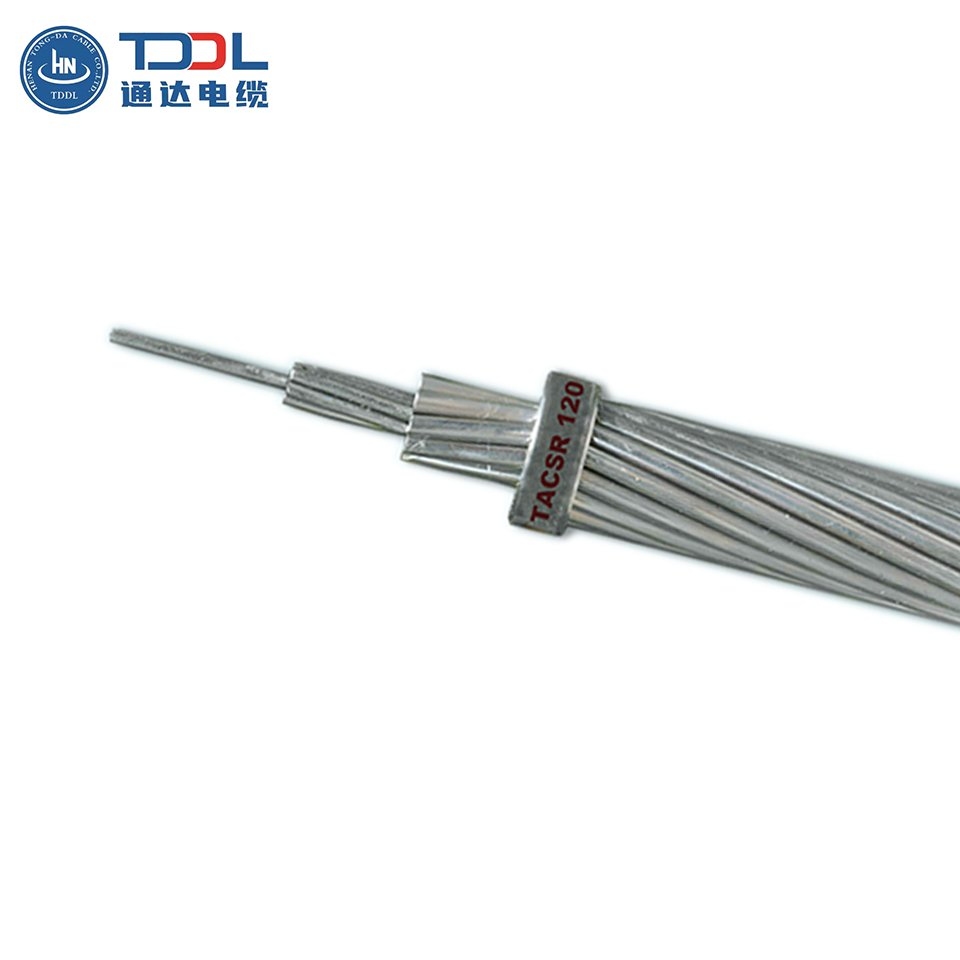
New methods in ongoing extrusion have allowed more even metal bonding between aluminum layers and steel cores. Managed heat processes improve grain setups in both materials. They boost flexibility without losing tensile output.At TDDL cable's plants, we use exact process controls. They ensure steady cladding thickness in production runs. This promises repeatable corrosion shield levels. They match world standards like IEC 61089 and GB/T 1179 in our specs database.
Accelerated Aging Tests and Field Performance Evaluation
To check product toughness in real use, our lab runs strict fast aging tests. These include salt fog (ASTM B117), repeated humidity rooms (IEC 60068-2-30), and heat cycle plans that mimic daily temperature shifts. Electrochemical impedance spectroscopy measures passive film steadiness over time. It does so by checking charge transfer resistance at metal-liquid joints.Field data from seaside transmission paths show that AACSR AW conductors keep structure strength past 25 years. They have tiny drops in conductivity measures. This matches lab forecasts on service length.
How Is Integration into Modern Power Infrastructure Design Strategies Achieved?
What Are the Material Selection Criteria for Harsh Environments?
For new grid growth over sea coasts or factory paths with air pollutants, picking materials is key for lasting use. Aluminum-clad steel conductors fit well in coastal areas, saline-alkali beaches, industrial areas, and other spots with heavy salt mist corrosion. So, power companies often choose AACSR AW for its shown toughness in such harsh conditions. It also works with old fittings in current networks.Design plans include span length tuning based on tension limits from mechanical tests. They mix with environmental load models. These cover wind pressure factors per IEC 60826 rules.
How Does It Contribute to Grid Reliability and Sustainability Goals?
By cutting surprise shutdowns from conductor breaks due to corrosion wear or wire snaps, using AACSR AW greatly improves grid reliability scores like SAIDI (System Average Interruption Duration Index). Longer working spans fit well with world sustainability aims. They focus on saving resources through long asset use instead of often replacing.At TDDL cable, we see our part not just as sellers but as partners. We aid lasting infrastructure growth worldwide. We do this through advanced materials work in our AACSR AW product line.