



May 01, 2026
Exploring PVC Cables: Key Factors That Affect Their Lifespan
What Factors Affect the Lifespan of PVC Cables?
Key Factors That Influence the Durability of PVC Cables
PVC cables are popular because of their flexibility and low cost. Yet, their durability relies on various environmental and usage elements. Temperature changes, moisture amounts, and sunlight exposure stand out as major impacts. When cables face direct sun or intense heat for long times, the plasticizers in PVC break down. This causes the material to stiffen and lose bendability. PVC struggles in harsh weather. It becomes hard and fragile in cold conditions. Plasticizers escape quickly in heat or under sun rays. As a result, the covering ages faster.Mechanical properties are another vital element. Constant twisting, tugging, or shaking can create tiny splits in the covering layer. Over time, these lead to power issues. In the same way, contact with chemicals like oils, acids, or bases can weaken the outer layer gradually. The way cables are set up matters a lot too. Improper routing or sharp curves can build up internal mechanical stress. This cuts down the cable's working time.
The Typical Lifespan Range of PVC Cables
Under favorable environmental conditions and with correct installation, regular PVC cables usually endure 20 to 40 years. But this period can shift based on outside conditions and use cases. PVC cables work well in many places. They stay safe and hidden. External weather does not bother them. They need little upkeep and last long, often over 30 years. In factory areas or outside spots with wild temperature swings or physical wear, the life shortens a great deal. Regularchecks and care boost the working period. We spot early wear signs before problems hit.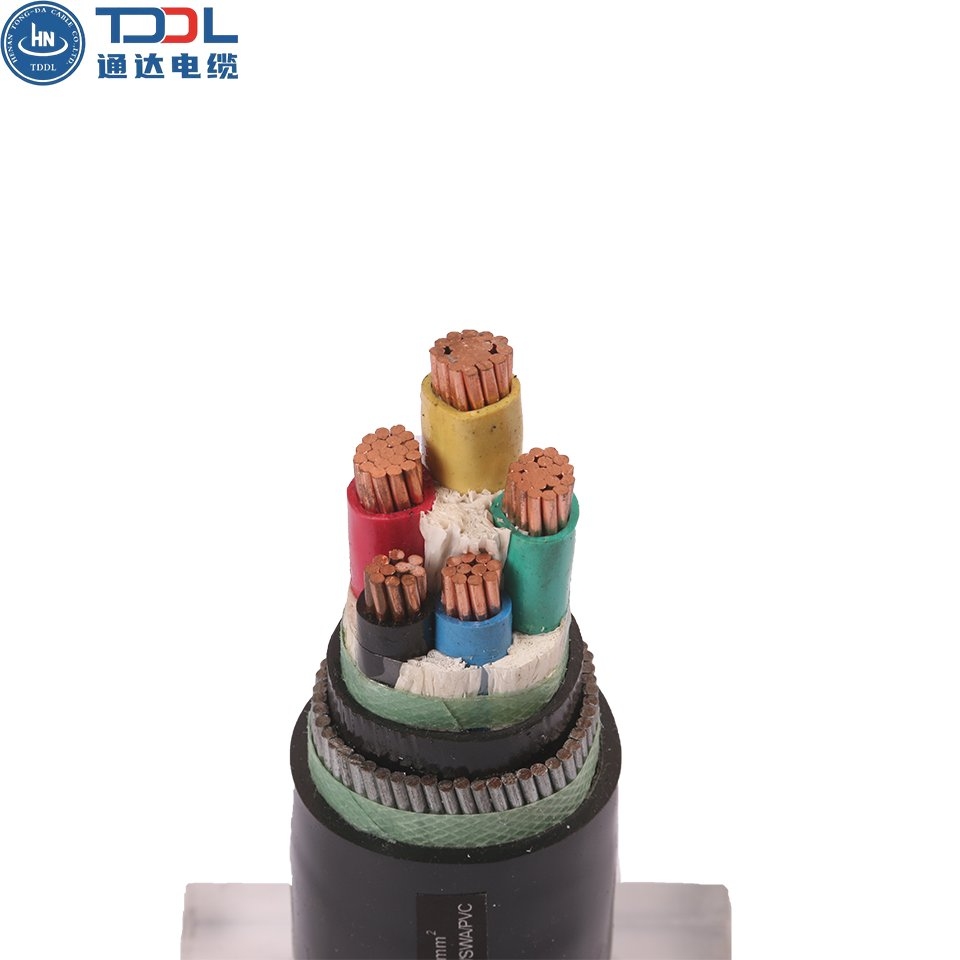
Composition and Manufacturing Quality of PVC Cables
How Material Composition Affects Cable Longevity
The makeup of PVC covering directly shapes its strength. The mix of plasticizers and stabilizers sets how bendy it is and how well it fights heat wear. PVC materials from TDDL cable have strong physical traits. They resist chemical damage well. They are not inherently flame-retardant. They handle weather nicely. Their power insulation works great. Processing is simple. Top-notch covering materials fight splits under pressure or heat shifts better than cheap ones. Fire-resistant extras boost safety. They do not harm the build when mixed right.The Role of Manufacturing Standards in Ensuring Reliability
Production quality sets the steady trust in cables over time. Trusted makers follow worldwide rules like IEC 60228 for conductor and IEC 60502 for power cables. IEC 60228 Conductors of Insulated Cables. IEC 60502-2 Power cables with Extruded Insulation and Their Accessories for Rated Voltages from 1kV (Um=1.2kV) up to 30kV (Um=36kV) - Part 2: Cables for Rated Voltages of 6kV (Um=7.2kV) and 30kV (Um=36kV). These approvals guarantee even results in every run. We demand tight checks during wire forming, covering addition, and outer layer steps. Makers who give test papers confirm power function and planned life span.Environmental and Operational Factors Impacting Cable Life
Temperature Variations and Thermal Aging
Heat conditions rank high among elements that shape PVC cable endurance. Long contact with hot temperatures speeds up covering failure. It does this through softening agent loss and chain breakdown in the material. On the other hand, very cold spots make PVC stiff. Any motion or shake in those spots might lead to breaks or layer splits. Picking cables made for certain heat levels helps avoid these troubles well.Moisture, UV Light, and Chemical Exposure Effects
Water entry boosts rust at end points or links if seals fail. UV rays also wear down exposed PVC layers slowly when used outside without good cover layers or pipe shields. The PVC outer sheath gives solid defense against grease, oil, and scrapes. Still, ongoing touch with oils or cleaners can change the outer material's makeup. This results in hardening and embrittlement.Installation Practices That Extend Service Life
Importance of Correct Installation Techniques
Right setup is key to getting the most from any power setup with PVC cables. Skipping sharp turns lowers inner wire pressure. That pressure could cause early breakdowns otherwise. Cable paths should cut down physical load. They also need to allow enough air flow around groups to stop hot spots. Using matching parts makes sure ends stay firm even with heat changes.Maintenance Strategies for Long-Term Performance
Upfront care plans greatly improve trust over many years of use. Normal checks find color changes or shape shifts in covering soon. Wiping links stops rust from water build-up at joins. Planned swaps based on condition checks avoid sudden stops. They keep safety buffers in the system.Comparing PVC Cables with Alternative Materials
Differences Between PVC, XLPE, and Rubber Insulated Cables
Each covering kind brings special benefits for varied work spots. XLPE (cross-linked polyethylene) offers better heat strength up to 90°C. This beats standard PVC, which handles about 70°C for steady work. The cables used at voltages of 600 volts and at conductor temperatures not to exceed 70°C for polyethylene (PE) and Polyvinyl chloride (PVC) insulated conductors or 90°C for cross-linked polyethylene (XLPE) insulated conductors. Rubber-covered cables give top bendiness for moving gear. But they cost more due to complex materials.PVC from TDDL cable stays a cost-effective choice where outside needs are mild, like inside wiring. Fixed setups gain from its mix of price and power.
When to Choose PVC Over Other Options
PVC cables fit best for inside jobs safe from direct sun or wild heat. They give reliable power work at less cost than plastics like XLPE. They meet key safety rules when set up right by code needs.Evaluating Product Specifications Before Purchase
Key Parameters to Review in Technical Data sheets
Before picking any cable item, checking data sheets makes sure it matches project needs. Vital details cover power level, wire thickness, covering depth, allowed heat range, and curve limits.Maker guarantees often show faith in strength based on test past.Practical Tips for Smarter Buying Decisions
When picking PVC cables for fresh setups or swaps, match item details exactly to outside conditions. This applies whether in ground pipes or open racks. It avoids early wear dangers. Think about full life costs, including care, not just first buy price. Better materials cut long-run costs by fewer breaks. Talking to trained experts aids right picks tied to work loads.This comprehensive understanding helps buyers choose wisely about PVC cables. It weighs work needs against environmental challenges. It also ensures following global product standards that promise steady trust in many uses around the world.
.jpg)