



Dec 05, 2025
How TACSR High-Temperature Conductors Increase Line Capacity Without New Corridors
A Smarter Way to Add Capacity
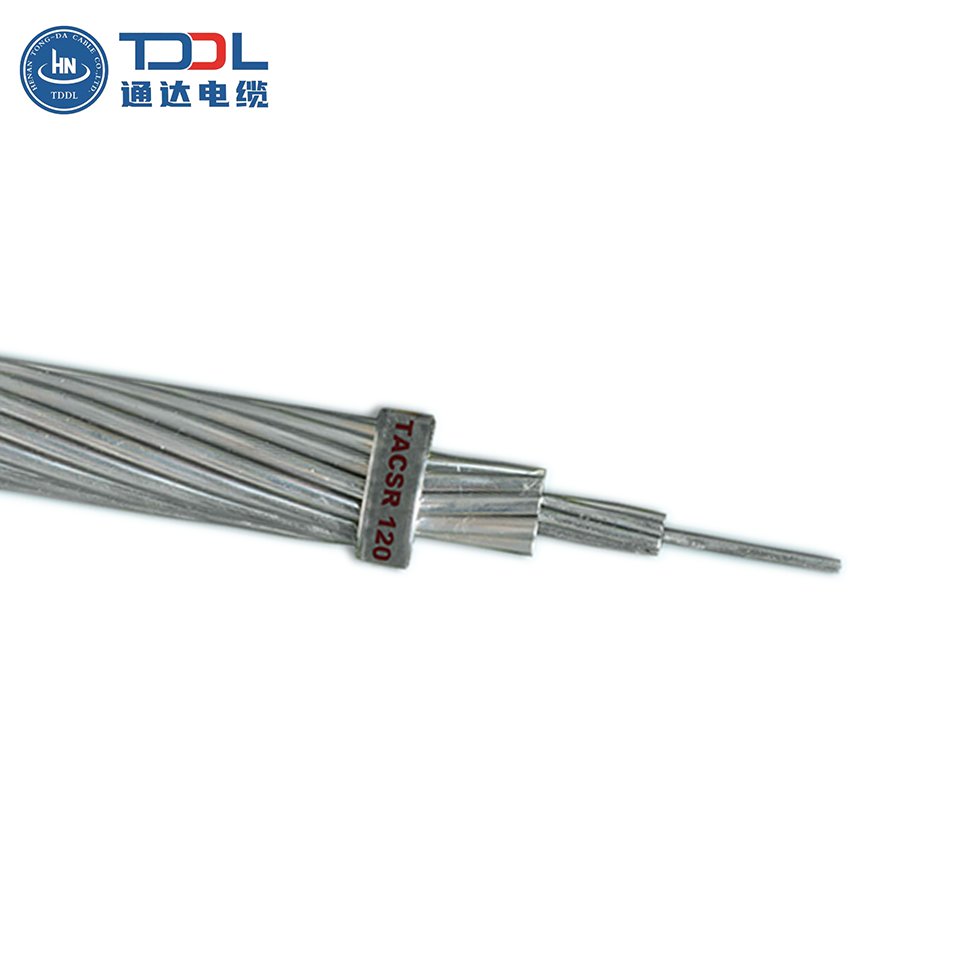
Electricity demand keeps rising. Many old transmission lines are already running near their limits. Building brand-new corridors is both time-consuming and costly. People fight them every step of the way. That’s where reconductoring with high-temperature low-sag (HTLS) conductors like TACSR comes in. It’s a fast, practical fix.TACSR (Thermal Alloy Conductor Steel Reinforced) and similar HTLS types—like the TDDL cable series that use thermal-resistant aluminum alloy strands over an Invar core—can boost a line’s capacity by 50–100% or more. They do it on the same towers and the same land. No new steel structures. No new rights-of-way. TACSR simply lets existing lines carry a lot more power every single day—not just in emergencies.
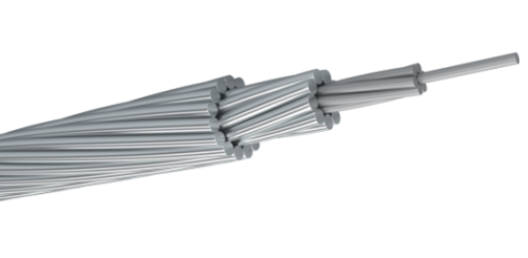
Annealed single aluminum conductor is not combined with aluminum-clad Invar steel. It is generally combined with steel cores or aluminum-clad steel cores, while heat-resistant aluminum alloys are combined with aluminum-clad Invar steel.
Why TACSR Matters Long-Term
The real win isn’t a bigger emergency rating. The real win is higher day-to-day capacity that utilities can count on 24/7 without touching the towers or buying more land.How TACSR Actually Works
TACSR runs safely at much higher temperatures—usually 150 °C. It uses special heat-resistant aluminum alloys (like TAL) and a core that barely expands when hot (often Invar or Gap-type steel).Compare that to regular ACSR conductors. Those are capped at about 90–100 °C for continuous use. Push them hotter and the steel core grows long. The results are that line sags too much, clearances get violated, and safety problems appear.
TACSR solves that. The core hardly extends. Sag stays under control even at 150 °C. Utilities can raise the rating permanently and still meet ground-clearance rules. No tower raising needed.
The aluminum strands are also better. They conduct electricity more efficiently than old-style aluminum.
Where the Extra Capacity Comes From
Three main reasons:- Much higher safe operating temperature (150 °C instead of 90–100 °C).
- A core that keeps sag low at those temperatures.
- Better aluminum that conduct electricity more easily.
Everyday Use vs Rare Emergencies
Grid operators plan for N-1 contingencies—one piece can fail and the system still works. But most lines run in normal mode almost all year. Emergencies might happen only a few hours annually.That’s why continuous rating matters far more than emergency rating. TACSR gives most of its extra capacity during normal operation.
The Bigger Picture
Studies from the U.S. Department of Energy, NREL, and Princeton say the country needs roughly double today’s transmission capacity by 2035. Right now, we’re adding only about 1% per year. New corridors can take 10–15 years because of permits, lawsuits, and opposition.Reconductoring with TACSR skips almost all of that. It don’t need more land and avoids conflicts. Projects can be finish in months, not decades.
Looking Ahead
Utilities should treat HTLS conductors like TACSR as standard tools—not rare exceptions. New standards (IEEE 738-2023) already support higher temperatures. Software can now model these conductors accurately.Adding real-time dynamic line rating (DLR) on top of TACSR squeezes out even more capacity when the weather is cool or windy.
Policymakers should reward reconductoring projects. Every old corridor can become a high-capacity highway with modern conductors.
The quickest way to double transmission capacity? Stop running power lines like it’s still 1970. Use conductors built for today.