


May 28, 2026
How to Choose the Best KVV Cable for Your Building Projects: Quality, Safety, and Cost Insights
Key Factors to Consider When Selecting a KVV Cable for Building Projects
What Makes a KVV Cable Suitable for Modern Construction Needs?
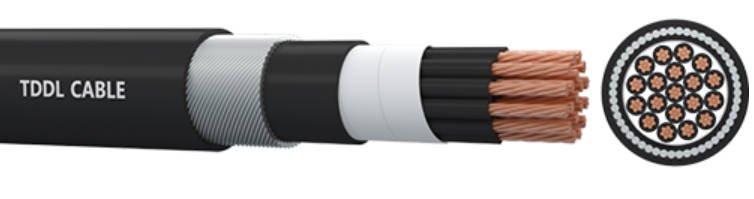
When selecting the best KVV cable for building projects, you need to know its design and uses. This product works for fixed laying in control, monitoring, and protection circuits. The rated voltage U0/U stays at 0.6/1kV or lower. The KVV control cable fits automation systems, monitoring circuits, and protection setups that need steady signal flow. Copper conductors come in solid or stranded forms. They add flexibility and strength. PVC insulation and sheathing resist abrasion, moisture, oil, and sunlight. These features make high-quality KVV cable a good fit for complex building networks today.Selection also depends on voltage rating, conductor material, and insulation. Copper gives strong conductivity and long life. PVC keeps things safe under different conditions. For smart buildings, links with TDDL cable networks add extra reliability.
How Does the Choice of KVV Cable Affect Project Efficiency?
The right KVV cable products help projects run smoothly. Cables with proper ratings cut downtime. They stop overheating and signal loss. Strong insulation keeps power steady and limits waste over distance. When paired with TDDL cable systems, installers gain from standard connectors. Routing gets simpler and setup time drops on big sites.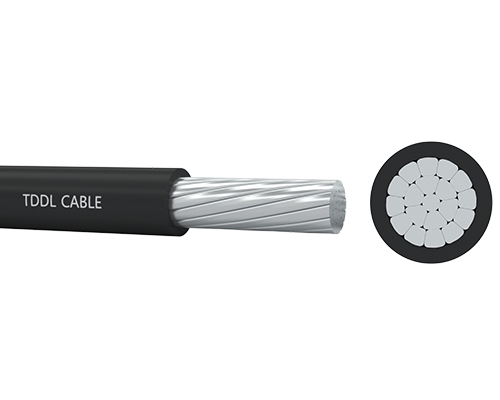
Evaluating the Quality Standards of KVV Cable Products
What Quality Parameters Define a Reliable KVV Cable?
A solid building cable meets clear quality checks. Conductor purity sets current capacity. Cross-section size affects resistance. Insulation resistance and dielectric strength keep performance steady under heavy use. The cable shows good electrical and mechanical traits. It resists abrasion, moisture, and sunlight. It also handles oil well. Standards like IEC 60228 and IEC 60502-1 confirm safety and life across KVV cable companies.How to Identify High-Quality KVV Cable from Substandard Products?
Check labels for voltage ratings, maker names, and marks such as IEC or GB. Test samples for bend, insulation, and conductor resistance before you buy in volume. Our firm runs every TDDL cable through strict checks that match global rules. This keeps quality steady.Safety Considerations When Using KVV Cable in Building Installations
Why Is Electrical Safety Critical in KVV Cable Applications?
Safety comes first when you place KVV control cables in buildings. Poor cable can cause shorts or fires. Proper ground and insulation help avoid these risks. Fire-retardant materials in our TDDL cable range add protection in tight spaces like control rooms.How to Ensure Compliance with Safety Regulations When Installing KVV Cables?
Start with local codes and install rules. Use certified teams that know the correct routing for KVV cable service lines. Regular checks spot wear or damage early and protect the whole system.Cost Insights: Balancing Budget and Performance in KVV Cable Selection
How Does Price Reflect the Performance of a KVV Cable?
Prices from KVV cable companies vary with material and build quality. Higher cost often means purer copper, thicker jackets, or better compounds. Our TDDL cable gives strong value and still meets safety rules. It suits buyers who want a discount KVV cable without cutting corners.What Are the Long-Term Cost Benefits of Choosing Premium KVV Cables?
Premium cables cost more at first. They save money later through fewer repairs and better energy use. Strong build reduces the need for swaps in tough spots like factories or offices.Installation Practices That Optimize the Performance of KVV Cables
How Should KVV Cables Be Installed for Maximum Efficiency?
Keep the bend radius right to protect conductors and insulation. Separate power lines from control lines to limit EMI. Use conduits or trays in risky zones such as near machines or outside.What Are Common Mistakes to Avoid During KVV Cable Installation?
Do not clamp too tightly and crush the sheath. Watch temperature limits so insulation stays sound. Label every run clearly. This avoids mix-ups later when several KVV cable products sit in one layout.