


Apr 16, 2026
Why PVC Cables Are Transforming Electrical Wiring Standards Today
Why Are PVC Cables Changing Modern Electrical Wiring Standards?
The Growing Role of PVC Cables in Electrical Infrastructure
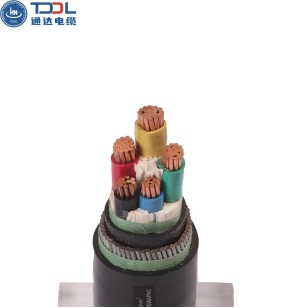
PVC cables are reshaping the electrical sector. They deliver an excellent combination of performance, safety, and cost efficiency.Their broad application in homes, businesses, and factories comes from their skill in fulfilling current energy-saving and safety needs. The PVC outer layer provides strong resistance against fats, oils, and abrasion, ensuring stable performance even in tough settings like buried installations and industrial areas.Moreover, medium voltage cables serve distribution grids. They also link to power sources and equipment. These can be placed right in the soil, outside, inside, and in cable channels. This versatility fits PVC cables for many uses. At the same time, they keep steady electrical output. Their strength quality match changing rules that stress both protection and eco-friendliness. For custom cable solutions, feel free to contact us.
How the Global Shift Toward PVC Cables Reflects Industry Trends
The rising need for green wiring options shows a broad move in the field toward enduring fixes that cut down on maintenance. Medium voltage power cables can be installed in diverse environments while remaining safe and concealed, with minimal impact from external weather conditions. Furthermore, they need little care and last long (often over 30 years). This extended lifespan backs the choice of PVC cables in setups where reliability matters most.Rules now push for fire-safe items that follow eco guidelines. Manufacturers are adjusting PVC mixes to lower harmful releases. They also boost fire resistance. New methods in shaping processes ensure even coating depth,which cuts electrical waste and raises cable steadiness overall.
The Key Advantages of PVC Cables in Electrical Wiring
Durability and Resistance Properties of PVC Cables
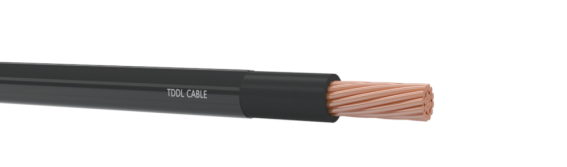
PVC cables show strong defense against water, oils, chemicals, and physical damage. Their flame-retardant properties improves safety levels in construction work. They have solid electrical and physical traits, low electrical waste and high shielding strength. These qualities bring lasting firmness even in varying heat levels.Furthermore, the PVC outer layer provides strong protection against oils and scraping. This durability guards inner wires from outside pressures like UV radiation and corrosive substances.
Cost Efficiency and Ease of Installation with PVC Cables
PVC cables from TDDL cable save money because their making costs less than options like XLPE or rubber-covered kinds. Their light build eases moving and setting up. This lowers worker expenses on big jobs. The flexible PVC jacket reduces the want for extra parts or tricky paths. It suits updating old setups or adding new lines in tight spots.How PVC Cable Composition Enhances Electrical Performance
The Material Science Behind PVC Cable Insulation
Polyvinyl chloride’s basic makeup gives great electrical strength. PVC traits include strong physical features, defense against chemical harm, no fire-slowing ability on its own, good resistance to weather, and simple to shape. Extra items added in making boost bendiness, heat tolerance, and lifespan. Managed shaping steps assure steady coating depth. This stops current escape or excess heat while running.The Role of PVC Sheathing in Cable Protection
The outer layer serves as a key shield from harm and outside factors. The PVC outer sheath allows adequate resistance to grease, oil and abrasion.It gives UV protection for outside placements too. And it keeps flexibility over time. Color-marked layers ease spotting during wiring tasks. This helps upkeep groups in big sites. In various cable cases, contact us for more details.Comparing PVC Cables with Other Common Cable Types
PVC Cables vs XLPE Cables: Key Differences in Application and Performance
XLPE-insulated cables give better high-heat handling. People often use them in tough factory environments. But they cost more. PVC cables stand out for low-to-medium power setups. They offer low price and simple use. Cross-linked polyethylene covering enables higher current carrying capacity in any work state. It has low electrical waste and high shielding strength. Yet, when matched with a strong PVC layer, it creates a cable that mixes output with real-world use for everyday wiring needs.Well-placed PVC setups need minimal maintenance. This comes from their tough build and steady guard layers. For most inside or covered areas with limited heat swings, they give the best output while avoiding unnecessary material costs.
When to Choose PVC Cables Over Alternative Materials
Properly installed PVC cables require minimal maintenance thanks to their durable construction and protective layers. For most indoor or covered applications with moderate temperature fluctuations, they deliver optimal performance while avoiding unnecessary material costs.The Future Outlook: Why PVC Cables Are Shaping Tomorrow’s Wiring Standards
Innovations Driving the Next Generation of PVC Cables
Studies go on to create green mixes that better recycling. They cut down on bad additives from old types. Manufacturers seek to raise heat firmness without losing bendiness. This allows safer work under bigger loads. Linking with smart watch systems is a new trend too. Built-in sensors in cable layers let real-time state checks. This aids ahead-of-time fix work.The Role of Regulations in Promoting Advanced PVC Cable Use
Global regulations now require manufacturers to use lead-free mixes in making steps. This boosts user protection and eco matching. Energy-saving aims push new ideas for items that lower power loss. They do this through better electrical traits. IEC 60502-1 Power Cables with Extruded Insulation and Their Accessories for Rated Voltages from 1kV(Um=1.2kV) up to 30kV(Um=36kV) - Part 1: Cables for Rated Voltages of 1kV (Um=1.2kV) and 3kV(Um=3.6kV). Compliance with such standards ensures consistent product quality in global markets and supports the development of sustainable infrastructure.