



Jun 12, 2026
How to Choose the Right Wire for Earthing and Electrical Safety
The Importance of Choosing the Right Ground Wire for Earthing and Electrical Safety
Why Is the Selection of Ground Wire Critical for Electrical Safety?
Selecting the right ground wire is key to keeping electrical safety and system stability. Proper grounding gives a clear path for fault current to reach the earth. It stops dangerous voltages from forming on metal parts. This cuts the chance of shock and damage to equipment. Good earthing also holds voltage steady on circuits and limits swings that affect sensitive tools.In high-voltage systems, grounding with copper benefits both safety and performance. Copper grounding wire offers strong conductivity. It clears fault currents fast and safely. The use of bare copper ground wire or grounding copper wire in earthing systems adds protection from surges and lightning. It keeps a steady reference across the network.
How Does Ground Wire Quality Affect Earthing Performance?
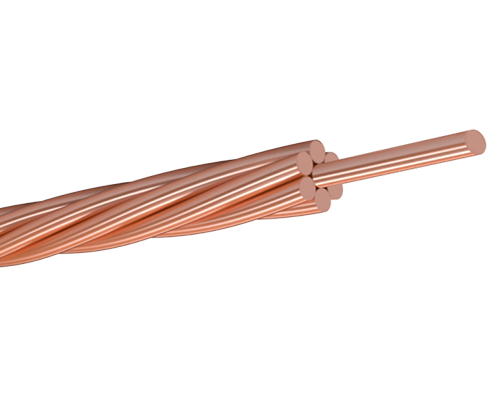
The quality of a ground wire determines how well an earthing system works. High-quality conductors with low resistance clear current better during faults. Poor-quality wires can rust or overheat. This raises fire risks and shortens system life.Bare concentric-lay-stranded conductors are made from bare, hard-drawn, round, aluminum-clad steel wires for general use in electrical purposes. This build gives mechanical strength and keeps conductivity over long runs. Steady flow through all grounding parts matters for reliable use in both industrial and home settings.
Key Factors to Consider When Selecting a Ground Wire for Earthing Systems
What Are the Electrical Properties That Define a Suitable Ground Wire?
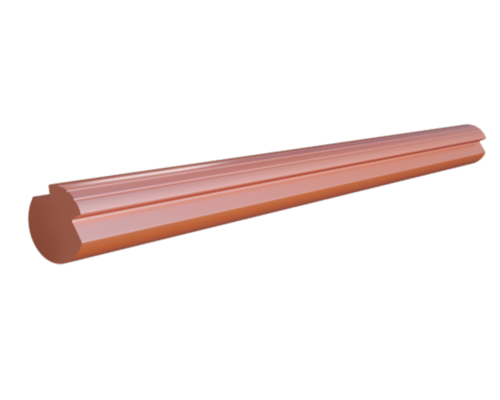
When picking the best wire for earthing, check these traits: conductivity, resistivity, insulation type, cross-sectional area, and thermal endurance. Conductivity shows how well current moves in normal or fault conditions. A larger cross-sectional area lets higher fault currents pass without too much heat.Copper for grounding is often chosen for its strong electrical traits. Its conductivity ranks second only to silver. Its corrosion resistance supports long use even in tough conditions. Copper: Electrical conductivity is second only to silver, thermal conductivity is second only to gold and silver; corrosion resistance, non-magnetic, good plasticity, easy to weld, and widely used. These points make copper wire used for earthing a top choice.
Environmental Conditions and Their Impact on Ground Wire Selection
Site conditions like soil type, moisture, pH, and temperature change how ground wire performs. Corrosive soils can wear down metal conductors if they lack protection. Outdoor runs that face the sun or wet air need UV-resistant insulation to avoid damage.Overhead ground wires generally use galvanized steel stranded wires, and good conductor ground wires (such as aluminum-clad steel stranded wires) are generally used at the inlet and outlet ends. This shows why material choice must fit the exposure. Galvanized steel resists rust and maintains its strength in overhead use.
Materials Used in Ground Wires for Electrical Safety Applications
Which Material Is Most Effective for Earthing Conductors?
Among materials for earthing systems, copper remains the top pick because of its low resistivity and strong rust resistance. Copper grounding wire gives steady results under changing loads and site conditions. Aluminum costs less but needs a bigger size to match copper grounding solutions in flow. Tinned copper adds oxidation resistance while keeping high conductivity.Aluminum-clad steel has the advantages of high strength, good corrosion resistance, and better electrical performance than galvanized steel wire. This suits some special jobs where strength and flow both matter.
How Does TDDL cable Perform as a Ground Wire Solution?
As makers of advanced grounding solutions, we have designed our TDDL cable series to deliver stable performance across diverse environments. Our products ensure minimal energy loss during fault current discharge through optimized conductor geometry and material purity. We engineer each TDDL cable to comply with international industrial safety standards while providing long-term durability under thermal stress conditions typical in heavy-duty installations.Our engineering team focuses on achieving consistent conductivity comparable to traditional copper grounding systems while offering improved mechanical resilience against bending fatigue or vibration-induced wear common in industrial setups.
Installation Practices for Reliable Earthing Using Ground Wires
How Should Ground Wires Be Installed to Ensure Electrical Safety?
Proper installation practices must be adhered to so that earth wires can fulfill their protective function. The conductor must run in a straight line and maintain a low resistance contact between the Frames of electrical equipment and earth electrodes. No bends or loops should be allowed as this will increase impedance. Mechanical connectors used must be compatible with the materials connected i.e. when connecting TDDL cable with other metal cables.For large-scale installations using earth copper wire or bare copper ground wire networks, every joint should be mechanically secure and electrically continuous to guarantee optimal current dissipation during faults.
Testing and Maintenance of Installed Ground Wires
Routine testing of the earthing system on a continuous basis. Resistance tests are to be performed on a regular basis using suitable test equipment. Visual checks are to be performed on oxidization of connectors as well as on the integrity of insulation to prevent any safety hazard.Replacing damaged segments promptly maintains compliance with regulatory standards while preserving overall system reliability—especially important when using grounding copper wire exposed to outdoor environments.
Compliance Standards for Ground Wire and Earthing Systems in Electrical Safety Design
What Standards Govern the Use of Ground Wires in Electrical Installations?
Global standards for designing safe earthing systems are laid down by various bodies: for general grounding methods, there are international requirements as per IEC 60364. For North America, detailed rules are provided in the NEC Article 250. Furthermore, local rules and regulations can be imposed by local authorities, for example, on the basis of soil resistivity tests or climatic influences on corrosion.Specification IEC 61089 Round Wire Concentric Lay Overhead Electrical Stranded Conductors ASTM A 475 Zinc-Coated Steel Wire Strand BS 183 General Purpose Galvanized Steel Wire Strand AS 1222.1 Steel Conductors and Stays—Bare overhead Part 1: Galvanized (SC/GZ) GB/T 1179 Round Wire Concentric Lay Overhead Electrical Stranded Conductors. These international standards ensure uniform quality control across all conductor types used for power transmission or grounding applications worldwide.