



Nov 13, 2025
Medium Voltage Cable Manufacturer Quality Control: XLPE Extrusion, PD Testing, and Type Tests
Introduction – Why Quality Control Defines Medium Voltage Cable Reliability
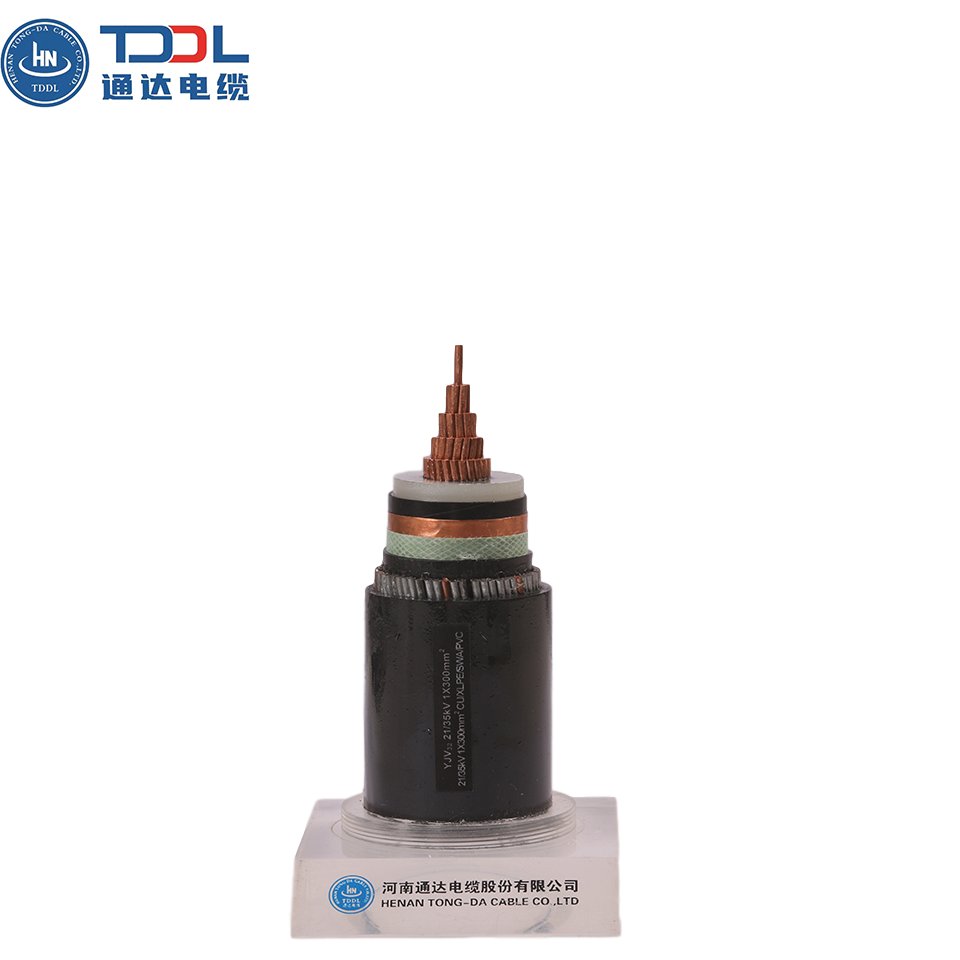
Medium Voltage (MV) cables—XLPE insulated power cables are suitable for distribution networks, industrial installations or other areas requiring large-capacity electricity,they are used for fixed distribution on power transmission and distribution lines with AC 50Hz and rated voltages form 6kV up to 30kV. The main function is to transmit electrical energy. They are suitable for installation mostly in power supply stations, indoors and in cable ducts, outdoors, underground as well as for installation on cable trays for industries, switchboards and power stations.For a medium voltage cable manufacturer, safety and stability is everything. A small imperfection in the insulation layer or a bit of moisture trapped inside can cause breakdown or short circuit, affecting the operation of the entire circuit.
Cables buried underground, contact with oil or water. As time goes on, even a microscopic void can turn into a partial discharge (PD) source, eating away at the XLPE insulation until a full breakdown occurs. That’s why good manufacturers treat quality control not as a box-ticking exercise, but as part of daily discipline on the shop floor.
The testing, the checking, the production line running day and night—all of it connects back to one goal: making sure that each kilometer of cable leaving the factory can survive years of service under heat, load, and weather.
What Makes Quality Control Essential for a Medium Voltage Cable Manufacturer
In a modern MV cable factory, quality control goes beyond paperwork. It’s the action process that keeps accidents, outages, and warranty headaches away.- Safety first: A cable fault inside a plant can burn insulation or trigger a short. Careful inspection helps catch defects long before installation.
- Standard compliance: IEC 60502-2, ICEA S-93-639, ICEA S-94-649 and BS 6622 etc.
- Stable performance: Cables that meet the standard requirements need to be tested to ensure quality.
- Customer trust: Utilities don’t forgive repeated quality issue. A stable quality record is how a medium voltage cable manufacturer earns long-term contracts.
1. Raw Material and Conductor Quality Inspection
Good cable manufacturing starts with good material. Before drawing, the copper rods or aluminum rods or AA-8000 aluminum alloy rods are visually inspected and tested for resistivity, elongation, and other properties.The commonly used IEC conductor standards are IEC 60228,compacted & stranded with class 2. Check the conductor resistance, conductor diameter, and number of filaments at room temperature.
- XLPE Insulation Extrusion and Cross-Linking Control
A medium voltage cable manufacturer that keeps tight control at this stage rarely sees failures later.
3. Partial Discharge (PD) Test During and After Production
Partial discharge test is required for both insulated wire cores and finished cables after 5-minute AC withstand voltage test. PD test is where insulation quality truly speaks.The partial discharge test shall be carried out in accordance with IEC 60885-3, except that the sensitivity as defined in lEC 60885-3 shall be 10 pC or better.
For three-core cables, the test shall be carried out on all insulated cores, the voltage being applied between each conductor and the screen.
The test voltage shall be raised gradually to and held at 2 Uo for 10 seconds and then slowly reduced to 1.73 Uo.
There shall be no detectable discharge exceeding the declared sensitivity from the test object at 1.73 Uo.
Technicians often describe the PD bench as “the heartbeat of the cable.” When all channels stay silent, everyone relaxes. A medium voltage cable manufacturer that keeps PD results stable knows its insulation is healthy and ready for work.
4. Type Tests and Routine Tests for MV Cables
Testing doesn’t end once the design is approved.Type tests—the big ones—simulate years of wear in a few weeks: heating cycles, AC voltage withstand, impulse, bending, hot set and tan δ etc.These confirm the design itself is strong.
Then come the routine tests, done on every cable drum before it leaves the plant: conductor resistance, high-voltage withstand, PD measurement, and length check.
Some clients request third-party witnessing. Agencies like KEMA, SGS, or TÜV send inspectors who watch tests in real time and stamp reports. It’s extra work, but it builds confidence that the medium voltage cable manufacturer follows the IEC 60502-2 or other standards process exactly as written.
5. Additional Quality Checks Before Dispatch
Just before shipping, cables face one more round of scrutiny:- Drum verification: Length counters and labels get rechecked—nobody wants a missing 5 meters on site.
- Paperwork: Every reel leaves with a stack—routine test report, inspection sheet, and type-approval copy.
Conclusion – Process Discipline Defines a Reliable Medium Voltage Cable Manufacturer
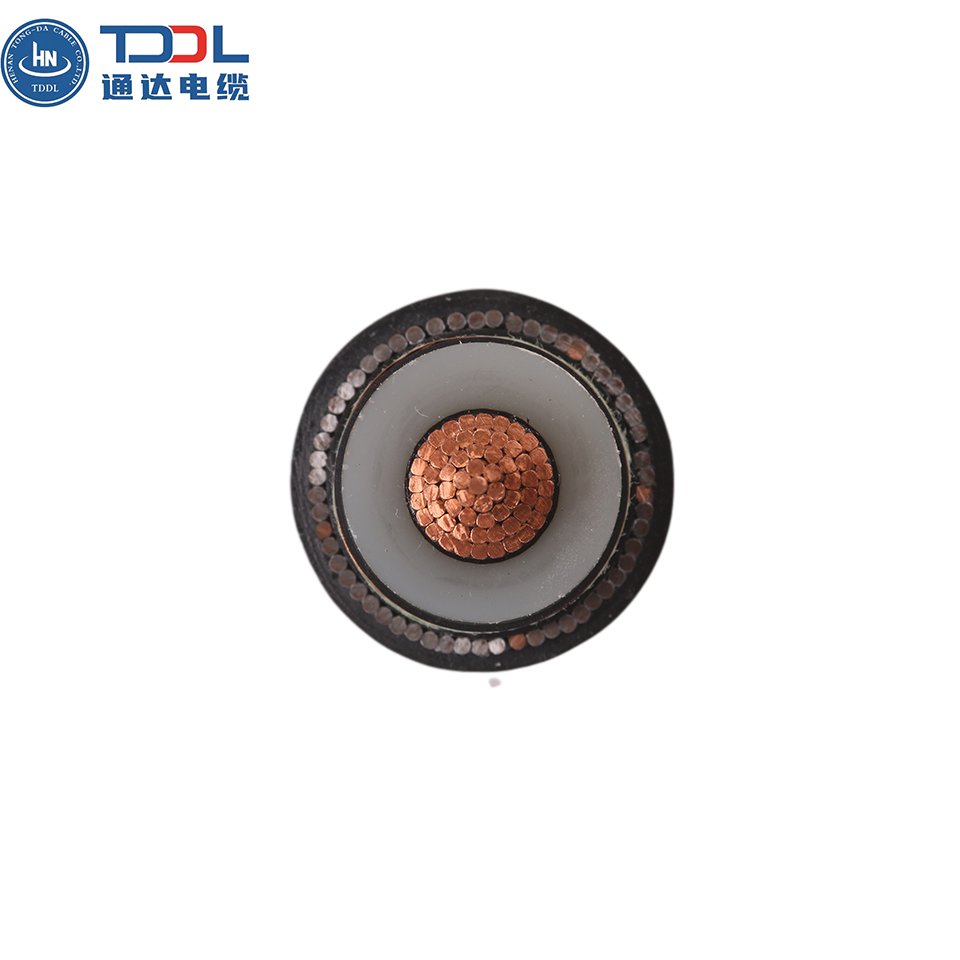
Reliability isn’t built in a lab—it’s built in routine. Every meter of cable comes from hundreds of small checks: conductor cleaning, XLPE extrusion, PD readings, spark tests. Put together, they create trust.A disciplined medium voltage cable manufacturer like TDDL cable delivers cables, for utilities and EPC contractors, that means fewer shutdowns and lower lifetime costs. In the end, steady process beats fancy slogans. Every drum leaving the TDDL cable plant carries data, not promises—and that’s what clients value most.