



May 07, 2026
The Corrosion Resistance of AACSR /AW Aluminum Alloy Conductor: How It Enhances the Long-Term Stability of Power Systems
Overview of AACSR/AW Aluminum Alloy Conductor
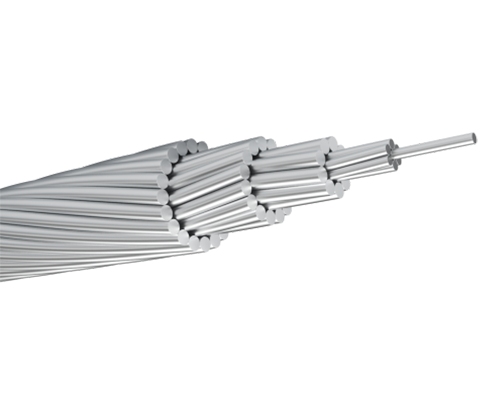
Composition and Structural Characteristics
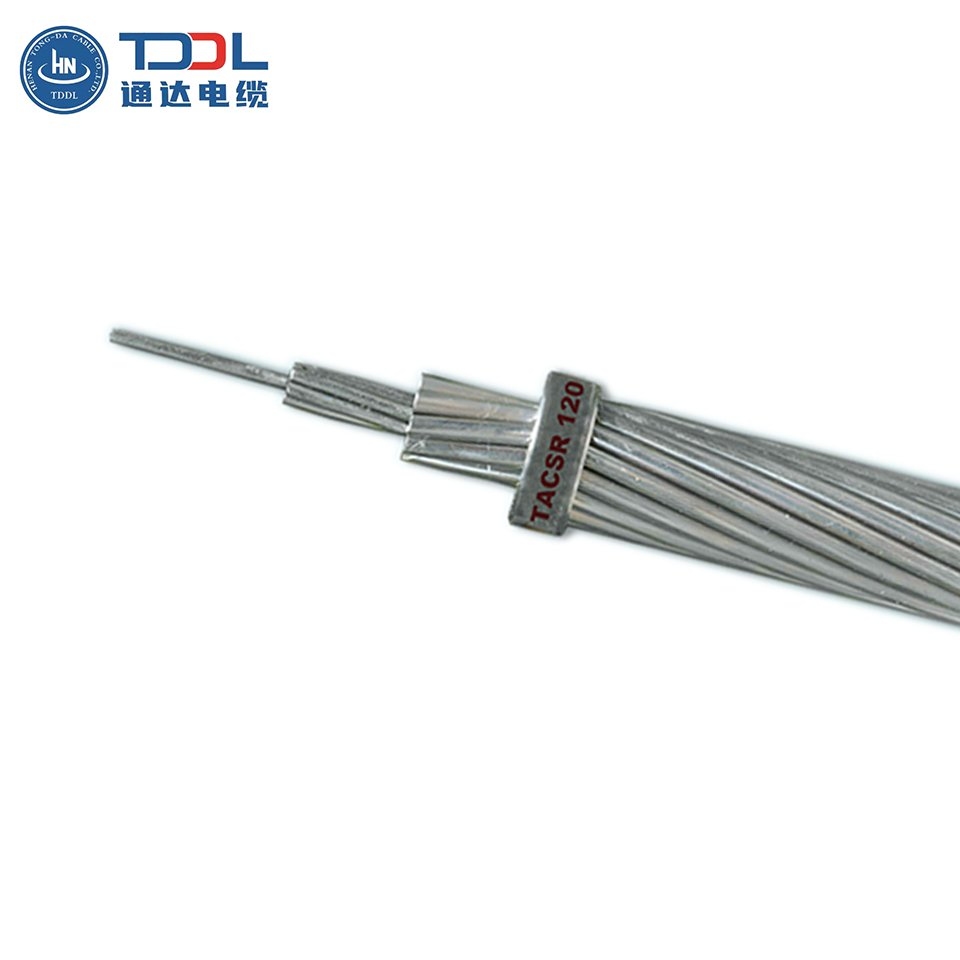
Aluminum alloy wires (1120 or 6201) are stranded around an aluminum-clad steel wire to form the AACSR/AW (Aluminum Alloy Conductor Aluminum Clad Steel Reinforced) structure. This design combines high-conductivity aluminum alloy strands with a high-strength aluminum-clad steel core, delivering excellent electrical performance and superior mechanical strength. The aluminum alloy provides high conductivity while the steel core enhances tensile strength to withstand heavy mechanical loads. The aluminum cladding on the steel core acts as a protective barrier, preventing electrolytic contact between dissimilar metals and thereby reducing galvanic corrosion.At TDDL cable, we manufacture AACSR/AW conductors under strict metallurgical control to ensure stable performance over long service lives. Our product range includes AACSR/AW-Aluminum Alloy Conductor Aluminum Clad Steel Reinforced in Bare Conductor category, which offer optimal mechanical strength for line design while providing robust corrosion resistance in harsh environments.
Mechanical and Electrical Properties
AACSR/AW conductors achieve an excellent balance between tensile strength and electrical conductivity. The alloy composition influences key performance indicators such as creep resistance, fatigue life and electrical output. The addition of magnesium and silicon to the aluminum alloy enhances mechanical stability, making AACSR/AW ideal for long-span applications such as river crossings and mountain transmission lines where conventional ACSR may be unsuitable.AACSR/AW meets the strength requirements for transmission line design. The stranded structure achieves the required mechanical strength while improving current-carrying capacity. This combination of ampacity and tensile strength ensures the conductor retains dimensional stability and performance under heavy wind or ice loads.
Mechanisms of Corrosion in Overhead Conductors
Environmental Factors Affecting Corrosion Behavior
Corrosion of overhead conductors is mainly driven by environmental exposure. Moisture, salt spray, industrial pollutants and temperature fluctuations accelerate electrochemical degradation. In coastal areas or industrial zones with acidic emissions, surface corrosion rates increase significantly. These external factors induce uneven thermal-mechanical stresses between metal layers, leading to micro-cracking or interfacial delamination.Temperature cycling also promotes stress corrosion cracking due to repeated expansion and contraction of dissimilar metals. Prolonged exposure to marine atmosphere exacerbates pitting corrosion when the protective oxide layer is damaged.
Electrochemical Reactions in Aluminum-Steel Interfaces
Galvanic coupling may occur at the aluminum-steel interface due to the potential difference between the two metals. Under normal conditions, a passive aluminum oxide film forms on the surface, acting as an effective barrier against further oxidation. However, in harsh environments such as chloride-rich atmospheres, this oxide film may suffer local breakdown, leading to pitting or hidden corrosion.The aluminum cladding on the steel core mitigates the risk by preventing direct contact between dissimilar metals and reducing galvanic potential differences.
Corrosion Resistance Characteristics of AACSR/AW Conductors
Protective Role of Aluminum Cladding on Steel Core
The key advantage of AACSR/AW is its aluminum-clad steel reinforcement. Aluminum-clad steel wire is a bimetallic conductor featuring high mechanical strength, stable electrical performance, strong steel-aluminum bonding, uniform and durable cladding, and excellent corrosion resistance. The diffusion-bonded interface between aluminum and steel reduces edge defects that could initiate corrosion.Cladding thickness directly affects long-term protective effectiveness. Thicker layers extend service life even under salt or industrial exposure. This feature makes AACSR/AW particularly suitable for coastal transmission lines where salt-induced corrosion is prevalent.
Surface Oxidation and Passive Film Stability
A natural oxide film forms rapidly on aluminum alloy surfaces in the presence of oxygen. This film remains stable under most atmospheric conditions and provides a self-repairing barrier against minor scratches. Alloying elements such as magnesium enhance the adhesion of the oxide layer, while silicon improves its uniformity.Outdoor wet-dry cycles promote oxide regeneration through self-passivation, ensuring continuous protection throughout the service life without additional coatings or greases.
Comparative Analysis with Conventional AACSR Conductors
Compared with conventional AACSR conductors using ordinary galvanized steel cores, AACSR/AW exhibits significantly superior corrosion resistance owing to its aluminum-clad structure. As a bare overhead transmission conductor, it also serves as a primary and secondary distribution conductor and messenger wire. AACSR/AW provides optimal mechanical strength for transmission line design. Long-term field tests and accelerated aging tests(e.g., salt spray, cyclic humidity testing) confirm lower mass loss rates for AACSR/AW.This improved durability reduces maintenance requirements, which is critical for power utilities in remote or coastal areas where line access is difficult.
How Does It Influence the Long-Term Stability of Power Transmission Systems?
Impact on Mechanical Integrity Over the Service Life
Corrosion-resistant materials maintain tensile properties after years of service and withstand repeated loads from wind-induced vibration and thermal expansion. By reducing cross-sectional loss due to core wire corrosion, AACSR/AW retains load-bearing capacity longer than conventional solutions.Enhanced fatigue resistance also reduces the risk of wire breakage or excessive sag, which is essential for maintaining ground clearance requirements across varied terrains.
Retention of Electrical Performance Under Corrosive Conditions
Stable surface conditions ensure consistent current-carrying capacity throughout the service life. Reduced oxidation at joints prevents increases in contact resistance that could cause local overheating under heavy loads, thereby maintaining high system efficiency despite long-term environmental exposure.Uniform conductivity across strands supports balanced current distribution and minimizes hotspots along long transmission routes.
Maintenance Optimization and Lifecycle Cost Reduction
From an asset management perspective, the long service life of AACSR/AW reduces the total cost of ownership for power operators. Longer inspection intervals lower labor costs, and predictable degradation patterns simplify monitoring using tools such as electrochemical impedance spectroscopy or thermal imaging.For TDDL cable customers, the adoption of AACSR/AW has resulted in a clear reduction in replacement requirements for coastal grids, improving overall network stability and long-term economic efficiency.
Technological Advancements in AACSR/AW Manufacturing and Testing
Innovations in Cladding Techniques and Alloy Processing
Advanced continuous extrusion processes enable more uniform metallurgical bonding between the aluminum cladding and steel core. Controlled heat treatment optimizes the grain structure of both materials, enhancing flexibility without compromising tensile performance.At TDDL cable's production facilities, we employ precise process controls to ensure consistent cladding thickness during manufacturing, guaranteeing repeatable corrosion protection levels that comply with international standards including IEC 61089 and GB/T 1179.
Accelerated Aging Tests and Field Performance Evaluation
To verify product durability under real-world conditions, our laboratory conducts rigorous accelerated aging tests, including salt spray (ASTM B117), cyclic humidity testing (IEC 60068-2-30), and thermal cycling simulating diurnal temperature variations. Electrochemical impedance spectroscopy is used to evaluate the long-term stability of passive films by measuring charge-transfer resistance at metal-electrolyte interfaces.Field data from coastal transmission routes demonstrate that AACSR/AW conductors retain structural integrity beyond 25 years with only minor reductions in conductivity, consistent with laboratory service life predictions.
How Is Integration into Modern Power Infrastructure Design Strategies Achieved?
What Are the Material Selection Criteria for Harsh Environments?
For new grid developments in coastal areas or industrial corridors with high air pollution, material selection is critical for long-term performance. Aluminum-clad steel conductors are well suited to coastal areas, saline-alkali beaches, industrial zones, and other areas with severe salt-spray corrosion. Power utilities frequently select AACSR/AW for its proven durability in harsh environments and compatibility with existing fittings in legacy networks.Design strategies include span length optimization based on tension limits derived from mechanical tests, combined with environmental load models complying with IEC 60826.
How Does It Contribute to Grid Reliability and Sustainability Goals?
By reducing unplanned outages caused by corrosion-induced conductor breakage or wire failure, the use of AACSR/AW significantly improves grid reliability indices such as SAIDI (System Average Interruption Duration Index). Longer service intervals align with global sustainability goals by promoting resource conservation through extended asset utilization instead of frequent replacement.At TDDL cable, we view our role not only as suppliers but also as partners supporting sustainable infrastructure development worldwide through advanced materials technology in our AACSR/AW product line.