



Nov 13, 2026
THHN Wire vs. THWN-2 and XHHW-2: Key Differences for Project Selection
Picking the right building wire involves more than just pairing a gauge with a load. You must look at the insulation material. The setup environment and conductor build carry weight too. Plus, regional electrical codes strictly guide your choices. THHN, THWN, and THWN-2 share a very similar physical layout. Yet, they possess vastly distinct heat and moisture boundaries. XHHW-2 acts as another solid alternative. Experts use it when a job demands cross-linked polyethylene insulation.
Builders, material suppliers, and project purchasers need to grasp these differences. Knowing these facts helps you dodge costly planning errors.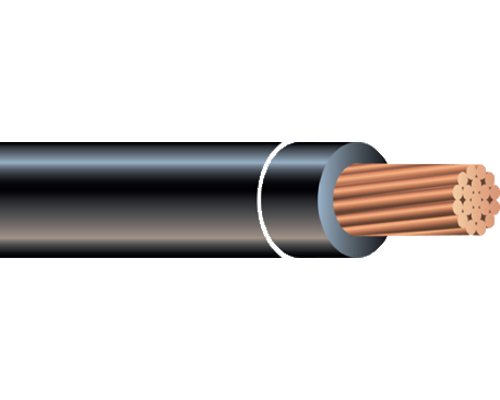
THHN wire functions as a standard 600-volt building cable. Electricians install this product for general wiring jobs. They normally place it inside conduits. It also works well in other approved raceways. People frequently use this wire in everyday commercial buildings. It is quite common in machine tools. You will also see it in household appliances and control circuits. The cable operates safely under its maximum voltage rating. Its construction features a solid or stranded copper conductor. This metal core is covered by strong thermoplastic insulation. Finally, a clear nylon jacket protects the outer surface.
Several factory standards control these goods. ASTM B3 covers annealed or soft copper wire. ASTM B8 handles concentric-lay stranded copper conductors. ASTM B787 sets rules for 19-wire combination-unilay conductors. UL 83 outlines the safety codes for thermoplastic-insulated wire and cable.
You can buy this wire in many colors. The choices include black, white, red, blue, purple, green, yellow, orange, brown, and gray. Certain special color needs might require a minimum order amount.
THHN carries a formal rating for dry locations up to 90°C. THWN brings a wet-location rating of 75°C. It still keeps the base 90°C dry-location cap. THWN-2 permits a 90°C top level in both wet and dry areas. Still, direct oil contact could drop that mark to 75°C. A dual-rated THHN/THWN-2 conductor offers great flexibility. It handles varied setup spaces, as long as the jacket print and local rules allow it.
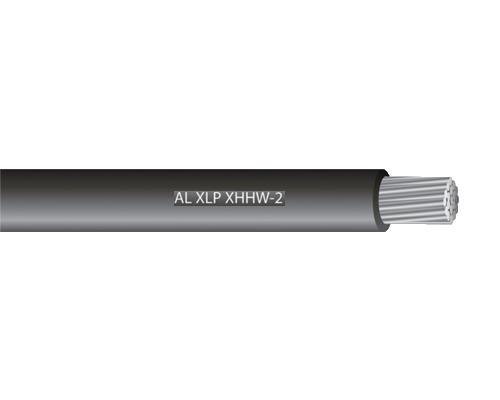
XHHW-2 features cross-linked polyethylene insulation. You will see it offered in 600/1000V setups. It provides a 90°C heat cap for both wet and dry spaces. Think about picking this item when a job asks for XLPE material. It works great when you need a higher voltage grade too. You cannot just swap it in without thought, though. Always check the conductor makeup and gauge size first. You also need to verify the voltage demands, thermal caps, and setup rules.
Begin by checking the physical setup area. After you do that, verify the needed conductor size. Lastly, read the whole manufacturer's spec sheet.
2. Look at the exact type tag closely. A basic THHN-only cable misses the wet-location note found on THWN or THWN-2.
3. Find the needed system voltage. Also, review the active electrical rules for your specific area.
4. Check the thermal caps on linked terminals and joined gear. The cable insulation grade does not dictate the allowed heat level for the whole circuit.
The THHN/THWN building wire covered in this piece carries a 600-volt mark. Makers build it for placement inside a conduit or another allowed raceway. You must never assume that this exact cable permits direct earth burial. It is likewise not fit for all sorts of outdoor uses.
Gather a few main facts before asking for a price quote:
1. Your needed conductor size, plus your choice of copper or aluminum.
2. The exact type mark needed for your wet, dry, or oil-touched space.
3. The planned voltage, outer jacket color, stranding style, and total desired length.
4. Any required testing rules and local market laws.
Providing these facts helps our sales staff. This data ensures the requested cable build truly fits your task.
We want to give you a very precise quote. Please share your needed AWG or kcmil size. Tell us about the type mark, system voltage, and setup settings. We also must know your wanted color and total cable length. Our engineering staff will look over your requested specs. We will then point you toward the best product answer.
Look through our building wire products to find more facts about our complete cable stock.
Builders, material suppliers, and project purchasers need to grasp these differences. Knowing these facts helps you dodge costly planning errors.
What Makes THHN Wire a Common Building-Wire Choice?
THHN wire functions as a standard 600-volt building cable. Electricians install this product for general wiring jobs. They normally place it inside conduits. It also works well in other approved raceways. People frequently use this wire in everyday commercial buildings. It is quite common in machine tools. You will also see it in household appliances and control circuits. The cable operates safely under its maximum voltage rating. Its construction features a solid or stranded copper conductor. This metal core is covered by strong thermoplastic insulation. Finally, a clear nylon jacket protects the outer surface.
Copper Conductor and Stranding
We manufacture our copper THHN/THWN(-2) conductors using soft-drawn copper. Wire sizes from 14 AWG through 4/0 AWG include combination-unilay stranding. For larger cables of 250 kcmil and above, the design features compressed copper stranding. Customers should always review the exact conductor size. You must also confirm the stranding layout. This step ensures the wire fits your actual project demands.Several factory standards control these goods. ASTM B3 covers annealed or soft copper wire. ASTM B8 handles concentric-lay stranded copper conductors. ASTM B787 sets rules for 19-wire combination-unilay conductors. UL 83 outlines the safety codes for thermoplastic-insulated wire and cable.
PVC Insulation and Nylon Jacket
The center copper core gets heat-resistant and moisture-blocking PVC insulation. A tough nylon jacket covers the whole unit. The 600-volt rating stays the same across these versions. Even so, the allowed working heat depends on the exact printed type mark. It shifts based on your actual setup settings as well.You can buy this wire in many colors. The choices include black, white, red, blue, purple, green, yellow, orange, brown, and gray. Certain special color needs might require a minimum order amount.
THHN vs. THWN vs. THWN-2: What Changes?
The core difference centers on the allowed working space. The top safe conductor heat level shifts too. One piece of wire could display several type labels. Because of this, you must always read the text stamped right on the insulation. You can then match those marks with your exact project plans.| Wire type | Dry-zone limit | Wet-zone limit | Key trait |
| THHN | 90°C | Not allowed by THHN alone | Dry spots |
| THWN | 90°C | 75°C | Lower heat cap for wet spaces |
| THWN-2 | 90°C | 90°C | Wet or dry use; oil touch may drop cap to 75°C |
| XHHW-2 | 90°C | 90°C | XLPE insulation; offered in 600/1000V setups |
XHHW-2 features cross-linked polyethylene insulation. You will see it offered in 600/1000V setups. It provides a 90°C heat cap for both wet and dry spaces. Think about picking this item when a job asks for XLPE material. It works great when you need a higher voltage grade too. You cannot just swap it in without thought, though. Always check the conductor makeup and gauge size first. You also need to verify the voltage demands, thermal caps, and setup rules.
How to Select the Right Building Wire for Your Project
Begin by checking the physical setup area. After you do that, verify the needed conductor size. Lastly, read the whole manufacturer's spec sheet.
Match the Rating to the Installation Environment
1. Figure out if the work zone stays dry or gets wet. Note any possible oil contact.2. Look at the exact type tag closely. A basic THHN-only cable misses the wet-location note found on THWN or THWN-2.
3. Find the needed system voltage. Also, review the active electrical rules for your specific area.
4. Check the thermal caps on linked terminals and joined gear. The cable insulation grade does not dictate the allowed heat level for the whole circuit.
The THHN/THWN building wire covered in this piece carries a 600-volt mark. Makers build it for placement inside a conduit or another allowed raceway. You must never assume that this exact cable permits direct earth burial. It is likewise not fit for all sorts of outdoor uses.
Check Conductor Size, Stranding, and Ampacity
Pick your AWG or kcmil size based on the total circuit load. Obey the active code rules instead of just looking at the physical wire bulk. Ampacity shifts based on the local air temperature. Grouping several conductors together changes the total ampacity too. Physical setup and terminal limits play a big part as well. Always weigh standard chart numbers against your real work site facts.Gather a few main facts before asking for a price quote:
1. Your needed conductor size, plus your choice of copper or aluminum.
2. The exact type mark needed for your wet, dry, or oil-touched space.
3. The planned voltage, outer jacket color, stranding style, and total desired length.
4. Any required testing rules and local market laws.
Providing these facts helps our sales staff. This data ensures the requested cable build truly fits your task.
Choosing THHN/THWN Wire from TD Cable
At TD Cable, we offer top-tier copper THHN/THWN(-2) building wire. Our goods use soft-drawn copper conductors. They feature strong PVC insulation and a tough nylon jacket. We follow strict trade rules like ASTM B3, ASTM B8, ASTM B787, and UL 83. You can pick from normal colors like black, white, red, blue, purple, green, yellow, orange, brown, and gray. Please note that special color needs might require a minimum order amount.We want to give you a very precise quote. Please share your needed AWG or kcmil size. Tell us about the type mark, system voltage, and setup settings. We also must know your wanted color and total cable length. Our engineering staff will look over your requested specs. We will then point you toward the best product answer.
Look through our building wire products to find more facts about our complete cable stock.