



Nov 12, 2026
PVC Cable: Types, Applications, Benefits, and How to Choose the Right One
PVC cable remains widely used in modern electrical systems. It provides reliable electrical insulation. It also provides strong physical protection. However, these cables do not all have the exact same construction. They do not serve the exact same purpose. Some options use PVC for the insulation and the outer jacket. Other designs combine XLPE insulation with a durable PVC outer sheath.
Electrical contractors and project planners must understand these differences. Suppliers and purchasing teams also need this knowledge. This information becomes vital when you select cables for building wiring. It is equally important for industrial power networks and similar electrical projects.
At TD Cable, we provide many cable designs. These products help with power transfer, distribution, and standard electrical applications. In this guide, we explain the main types of PVC cable. We discuss their specific features. Furthermore, we highlight the most important factors to check before making a purchase.
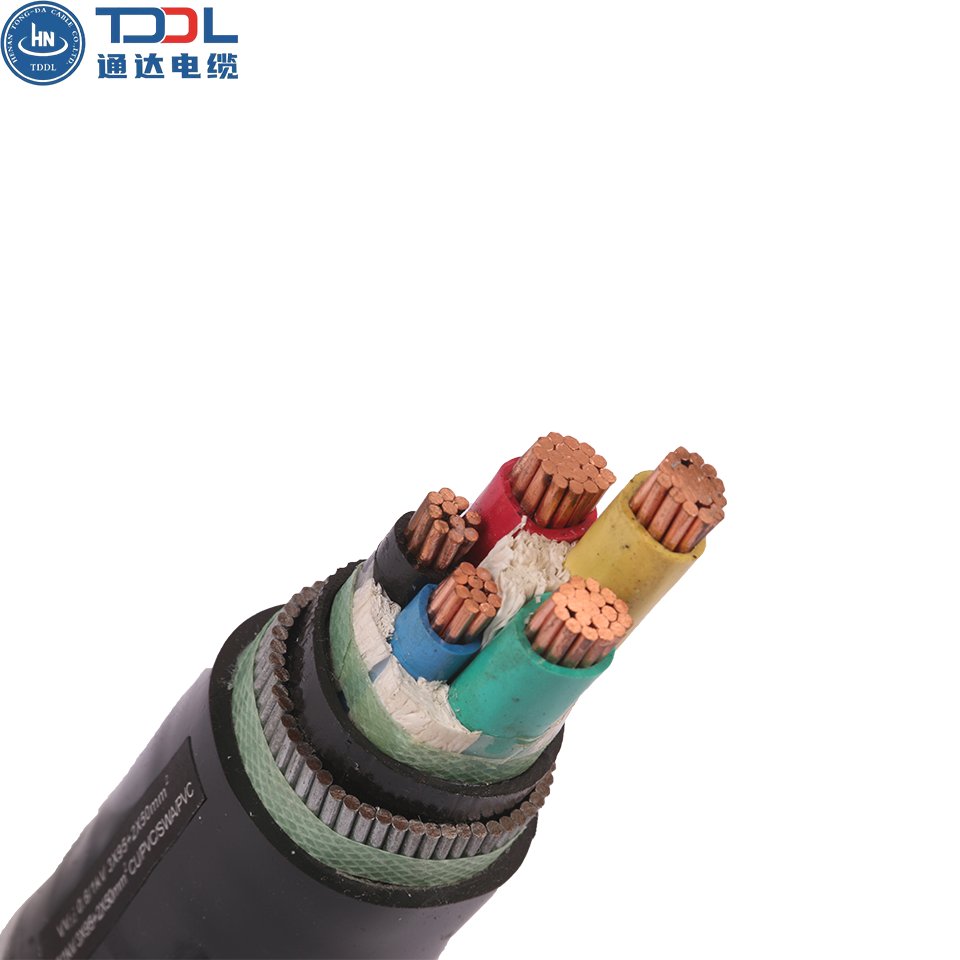
A PVC cable is an electrical wire that uses polyvinyl chloride (PVC). Manufacturers apply this material as the insulation layer, the outer jacket, or both. Professionals prefer PVC because it provides excellent electrical insulation. Additionally, it protects the internal cable components from friction, moisture, and harsh environmental conditions.
A standard PVC-insulated power cable normally includes a conductor and an insulation layer. Depending on the specific design, it may feature an additional protective sheath. Copper and aluminum serve as the most common conductor materials. The number of cores and the cross-sectional area depend directly on the anticipated electrical load. They also depend on the installation requirements.
A single cable could use PVC for both the insulation and the outer cover. Alternatively, it might apply PVC only for the external protective jacket. For example, certain medium-voltage cables rely on XLPE insulation. They then pair that with a PVC sheath. Because of this, checking the complete cable construction is extremely important. You must look beyond the simple PVC label.
The rated voltage for this wire is 450/750 V. Its normal operating temperature reaches up to 70°C. The short-circuit temperature limit goes up to 160°C. This limit applies for a maximum duration of five seconds. The product complies with IEC 60227-3 and IEC 60228 standards.
Users can easily mount this cable on open trays. It also fits perfectly inside conduits. As another option, you could run the wire straight along a wall. Some projects require an underground industrial setup. In those cases, you need to add extra physical protection. We build this product to meet strict industry rules. Its main standards are IEC 60228 and IEC 60502-1.
PVC-covered conductors manufactured under the BS 6485 standard represent a separate category. These products might contain stranded aluminum, copper, aluminum-alloy, or ACSR conductors. The Type 8 and Type 16 versions possess very different voltage limits.
The basic PVC label does not automatically mean the cable suits your specific project. You must always confirm the complete construction. You must also check the exact voltage and temperature ratings.
These figures only relate to the models shown here. They do not cover all cables sold today. Because of this, buyers need to check the actual product standards. Please verify the official rating before making a purchase decision.
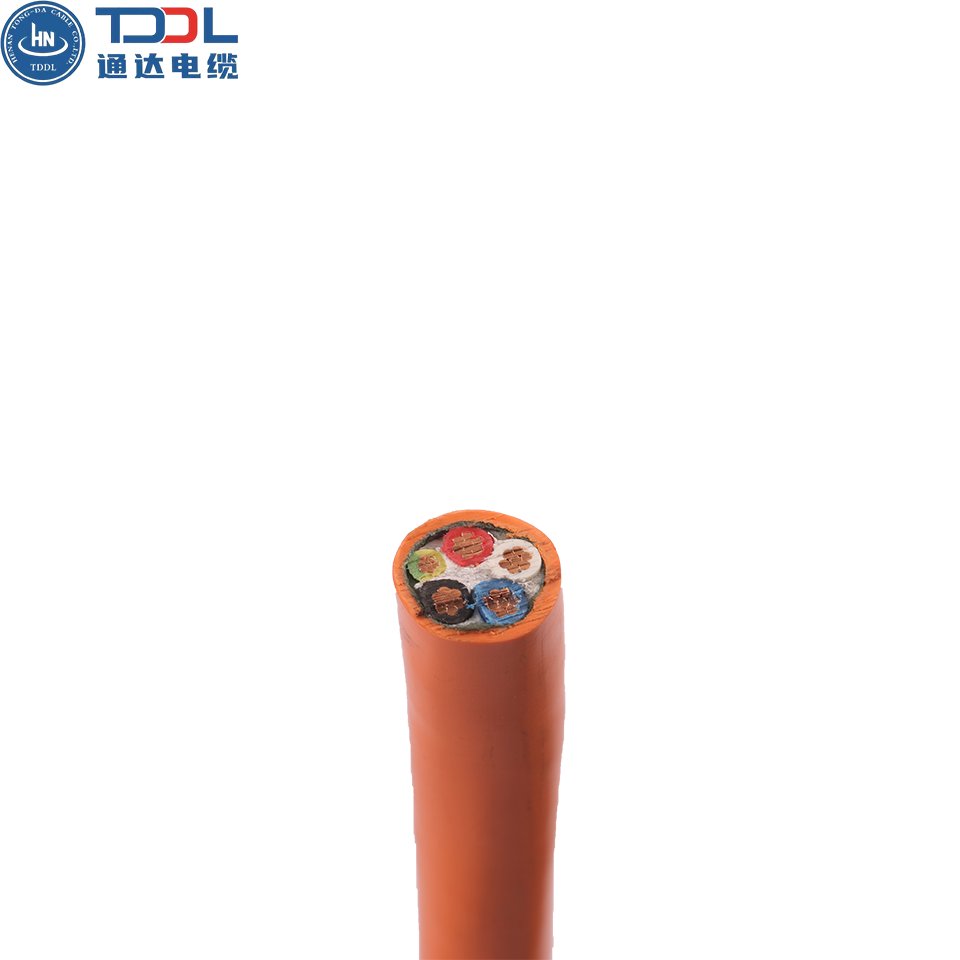
When you evaluate PVC cable specifications, you should carefully review the following points:
1. The rated voltage and the anticipated load current.
2. The conductor material and its specific class. You must determine whether it uses copper or aluminum. You also need to know if it is solid or stranded.
3. The total number of cores and the exact cross-sectional area.
4. The structural arrangement of the insulation, the sheath, and any included armour.
5. The applicable manufacturing standard and the maximum working temperature.
You must calculate the correct cable size carefully. To do this, consider the electrical load, the running distance, and the acceptable voltage drop. You must also factor in the installation method and all local electrical regulations.
At TD Cable, we proudly operate as a dedicated PVC cable manufacturer. We possess more than 30 years of professional experience in wire and cable production. Our expertise also extends to extensive research and development. Our current product lineup features high-quality PVC-insulated building wire. It also includes dependable low-voltage power cables. Our comprehensive range fulfills various client requirements across IEC, BS, ASTM, and DIN standards. Please share your required voltage, conductor type, and cable size. Tell us the core count, the installation environment, and the necessary standard. We will gladly help you find the most suitable design for your project.
Electrical contractors and project planners must understand these differences. Suppliers and purchasing teams also need this knowledge. This information becomes vital when you select cables for building wiring. It is equally important for industrial power networks and similar electrical projects.
At TD Cable, we provide many cable designs. These products help with power transfer, distribution, and standard electrical applications. In this guide, we explain the main types of PVC cable. We discuss their specific features. Furthermore, we highlight the most important factors to check before making a purchase.
What Is a PVC Cable?
A PVC cable is an electrical wire that uses polyvinyl chloride (PVC). Manufacturers apply this material as the insulation layer, the outer jacket, or both. Professionals prefer PVC because it provides excellent electrical insulation. Additionally, it protects the internal cable components from friction, moisture, and harsh environmental conditions.A standard PVC-insulated power cable normally includes a conductor and an insulation layer. Depending on the specific design, it may feature an additional protective sheath. Copper and aluminum serve as the most common conductor materials. The number of cores and the cross-sectional area depend directly on the anticipated electrical load. They also depend on the installation requirements.
PVC Insulation vs. PVC Sheath: What Is the Difference?
These two components handle completely different tasks. Therefore, you should never confuse them.| Component | Primary Role |
| PVC insulation | Separates the conductor electrically and prevents current leakage |
| PVC inner sheath | Adds an extra protective layer around the internal cable cores |
| PVC outer sheath | Protects the entire cable from abrasion, moisture, and external factors |
Types of PVC Cable and Their Applications
PVC Insulated Building Wire
H07V-U serves as a non-sheathed wire. It contains a solid Class 1 copper conductor. It also features standard PVC insulation. Installers typically place this wire inside tubes or closed channels. They use it in wiring systems located under or over plaster within dry environments. However, you must not lay this wire directly inside open cable trays.The rated voltage for this wire is 450/750 V. Its normal operating temperature reaches up to 70°C. The short-circuit temperature limit goes up to 160°C. This limit applies for a maximum duration of five seconds. The product complies with IEC 60227-3 and IEC 60228 standards.
PVC Low-Voltage Power Cable
NAYY (VLV) functions as a reliable PVC low-voltage power cable. It incorporates a class 1 or class 2 aluminum conductor. The design includes PVC insulation along with a PVC outer sheath. The aluminum conductor itself can be either solid or stranded.Users can easily mount this cable on open trays. It also fits perfectly inside conduits. As another option, you could run the wire straight along a wall. Some projects require an underground industrial setup. In those cases, you need to add extra physical protection. We build this product to meet strict industry rules. Its main standards are IEC 60228 and IEC 60502-1.
Armoured and PVC-Covered Cable Options
NAYBY (VLV22) stands as a robust PVC armoured cable design. This cable features an aluminum conductor. It uses PVC insulation for reliable performance. The production process includes a non-hygroscopic filler. A binder tape secures these materials together. Next, the design adds a PVC inner sheath. Steel tape armour surrounds this inner layer. Finally, a PVC outer sheath covers the entire product. Teams often lay this cable indoors. They also route it through utility tunnels. In many cases, workers bury it directly underground. The steel tape armour offers excellent strength. It easily blocks physical impacts from the outside environment. Even so, this specific cable cannot withstand severe pulling forces during installation.PVC-covered conductors manufactured under the BS 6485 standard represent a separate category. These products might contain stranded aluminum, copper, aluminum-alloy, or ACSR conductors. The Type 8 and Type 16 versions possess very different voltage limits.
| Type | Maximum application voltage |
| Type 8 | Up to 650 V between the conductors and 250 V to earth |
| Type 16 | Usually up to 11 kV between the conductors and 6.6 kV to earth |
PVC Cable Benefits and PVC vs. XLPE Comparison
Practical Benefits and Limitations
Both NAYY and NAYBY provide excellent electrical and physical characteristics. They successfully resist everyday wear, moisture, and direct sunlight. They also offer decent resistance to oil exposure. Furthermore, the NAYBY model features steel tape armour. This component delivers essential physical defense against impacts.The basic PVC label does not automatically mean the cable suits your specific project. You must always confirm the complete construction. You must also check the exact voltage and temperature ratings.
PVC vs. XLPE Cable: What Is the Difference?
The chosen insulation material directly affects the working limits of the cable. For example, the H07V-U PVC building wire operates safely at 70°C. On the other hand, XLPE medium-voltage models easily tolerate temperatures up to 90°C. As noted earlier, some medium-voltage cables combine XLPE insulation with a standard PVC outer jacket.| Feature | PVC-insulated H07V-U | XLPE-insulated medium-voltage cable |
| Insulation material | Polyvinyl chloride (PVC) | Cross-linked polyethylene (XLPE) |
| Standard operating temperature | 70°C | 90°C |
| Short-circuit temperature | 160°C for up to 5 seconds | 250°C for up to 5 seconds |
| Common application | Permanent wiring inside dry locations | Medium-voltage power distribution |
How to Choose the Right PVC Cable
Check the Electrical and Construction Specifications
When you evaluate PVC cable specifications, you should carefully review the following points:
1. The rated voltage and the anticipated load current.
2. The conductor material and its specific class. You must determine whether it uses copper or aluminum. You also need to know if it is solid or stranded.
3. The total number of cores and the exact cross-sectional area.
4. The structural arrangement of the insulation, the sheath, and any included armour.
5. The applicable manufacturing standard and the maximum working temperature.
You must calculate the correct cable size carefully. To do this, consider the electrical load, the running distance, and the acceptable voltage drop. You must also factor in the installation method and all local electrical regulations.
Match Cable Design to Installation Conditions
For permanent wiring inside dry spaces and closed pipes, a standard PVC-insulated building wire performs exceptionally well. The NAYY model suits low-voltage networks perfectly. However, you must provide extra physical shielding for it. For utility tunnels or buried pathways that demand higher safety levels, you should consider the armoured NAYBY cable. You just need to remember its specific pulling-force limitations during the installation process.At TD Cable, we proudly operate as a dedicated PVC cable manufacturer. We possess more than 30 years of professional experience in wire and cable production. Our expertise also extends to extensive research and development. Our current product lineup features high-quality PVC-insulated building wire. It also includes dependable low-voltage power cables. Our comprehensive range fulfills various client requirements across IEC, BS, ASTM, and DIN standards. Please share your required voltage, conductor type, and cable size. Tell us the core count, the installation environment, and the necessary standard. We will gladly help you find the most suitable design for your project.