


Jul 10, 2026
THHN vs THWN Wires: Are They Suitable for Underground Conduit Installations?
The Role of Electrical Wires in Conduit Installations
Electrical conductors transmit electric current safely inside conduit systems. When selecting between THHN and THWN wires, electrical engineers evaluate on-site environmental conditions. Underground conduits are constantly exposed to moisture and drastic temperature fluctuations, both of which can degrade wire insulation. THHN and THWN wires are manufactured with specialized insulation to withstand these harsh conditions. Selecting the correct wire type ensures compliance with electrical codes, prevents premature insulation deterioration, and maintains stable long-term electrical performance.
Why the Comparison Between THHN and THWN Matters
It is critical to distinguish between THHN and THWN wires, as both wiring types are widely used in residential, industrial and commercial facilities. Their insulation formulations and temperature/moisture ratings determine their eligible installation environments (dry or wet locations). A thorough understanding of their differences prevents costly installation errors and guarantees consistent wire performance as designed.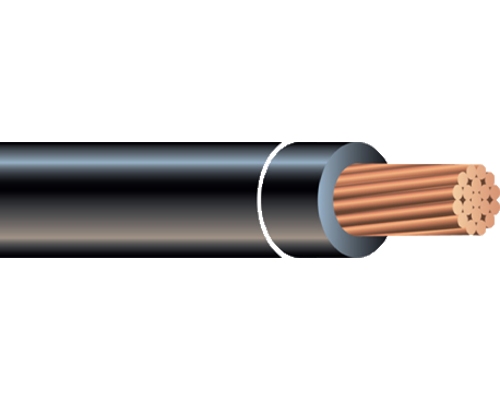
What Are THHN and THWN Wires?
Composition and Characteristics of THHN Wire
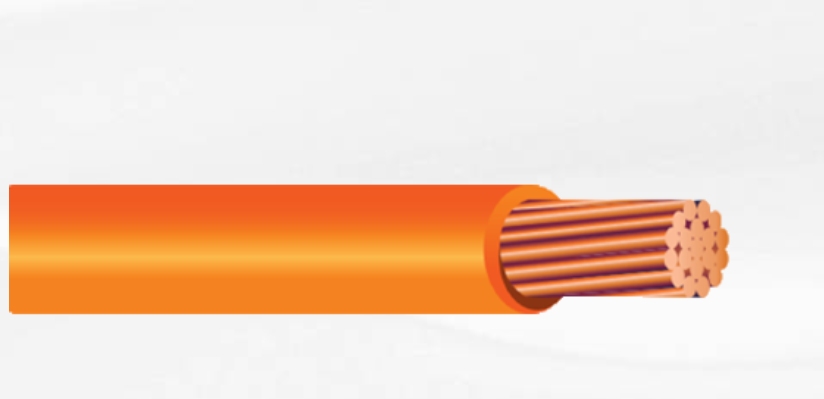
THHN is the abbreviation for Thermoplastic High Heat-resistant Nylon-coated wire. It is rated for dry or slightly damp locations only. Its construction consists of thermoplastic insulation covered by an outer nylon jacket. The nylon jacket improves mechanical abrasion resistance yet provides only minimal water resistance. For this reason, solid THHN conductors are ideal for building branch circuits, control wiring, and above-ground conduit runs with negligible moisture exposure.● UL 83 Standard: Covers thermoplastic-insulated wires and cables, featuring high reliability, superior pressure resistance and low maintenance requirements.
This standard outlines the long-lasting performance of the thermoplastic insulation adopted by both THHN and THWN wires.
Composition and Characteristics of THWN Wire
THWN stands for Thermoplastic Heat- and Water-resistant Nylon-coated wire. It shares a nearly identical core construction with THHN but features enhanced waterproof insulation. This rating permits safe installation in wet locations, including underground conduits and outdoor exposed wiring runs. This distinction is critical when evaluating whether THHN may be buried in conduit, as electrical codes only permit water-rated conductors such as THWN for underground burial applications.● ASTM B3 Standard: Covers annealed soft copper conductors.
● ASTM B8 Standard: Covers concentric-stranded copper conductors.
These two copper material standards guarantee stable conductive performance across diverse environmental operating conditions.
What Is the Difference Between THHN and THWN Wire?
Insulation Material Differences
The fundamental distinction between THHN and THWN lies in their insulation compound formulations. While both rely on thermoplastic insulation, THWN incorporates specialized moisture-resistant barrier layers suitable for wet installation locations. Standard THHN conductors are not approved for direct burial inside conduit, unless the wire bears a dual THHN/THWN rating.Temperature and Voltage Ratings Comparison
Both conductor types feature identical nominal voltage ratings for routine service conditions.The allowable ampacities of these copper conductors for general applications are defined in the 2014 National Electrical Code (NEC), Articles 310.15 and 240.4(D). Per NEC 110.14(C), conductors must adhere to the following temperature limits unless connected equipment is labeled for elevated temperature operation:
● 75°C: Required for terminations on circuits rated above 100 amperes or equipment specified for conductors larger than 1 AWG
● 90°C: Applicable to THHN in dry locations, and THWN-2 in both wet and dry locations, when calculating ampacity adjustments under NEC Article 310.15
Accordingly, THHN and THWN conductors carry a maximum 600-volt rating, consistent with standard commercial and residential building wiring specifications.
Environmental Suitability: Dry vs Wet Locations
Each wire type has strict limitations based on environmental exposure conditions. THHN performs reliably in dry environments including electrical panels and indoor conduit systems. THWN, by contrast, is engineered for wet locations and buried conduit runs due to its integrated moisture-resistant insulation system.