

May 21, 2026

Tree Wire vs Overhead Insulated Cable: Which One is Right for Your Landscaping and Power Line Needs

Share:

Tree Wire vs Overhead Insulated Cable: Key Differences and Applications

What Is the Main Difference Between Tree Wire and Overhead Insulated Cable?

Tree wire and overhead insulated cable serve as reliable aerial power distribution options. Yet, they vary in insulation thickness, toughness, and suitable settings. The conductors consist of stranded, circular compressed aluminum, aluminum-alloy, copper, ACSR, or ACSR/AW, etc. The conductor screen uses an extruded semi-conducting conductor shield in black. The inner insulation relies on natural color thermoplastic polyethylene (PE) or cross-linked polyethylene (XLPE). Tree wire handles contact with trees and plants effectively. On the other hand, overhead insulated cable focuses on complete insulation for protection against weather and added safety. Knowing these key variations aids users in picking the ideal choice for landscaping or utility tasks. In such projects, vegetation control or safety rules often differ.
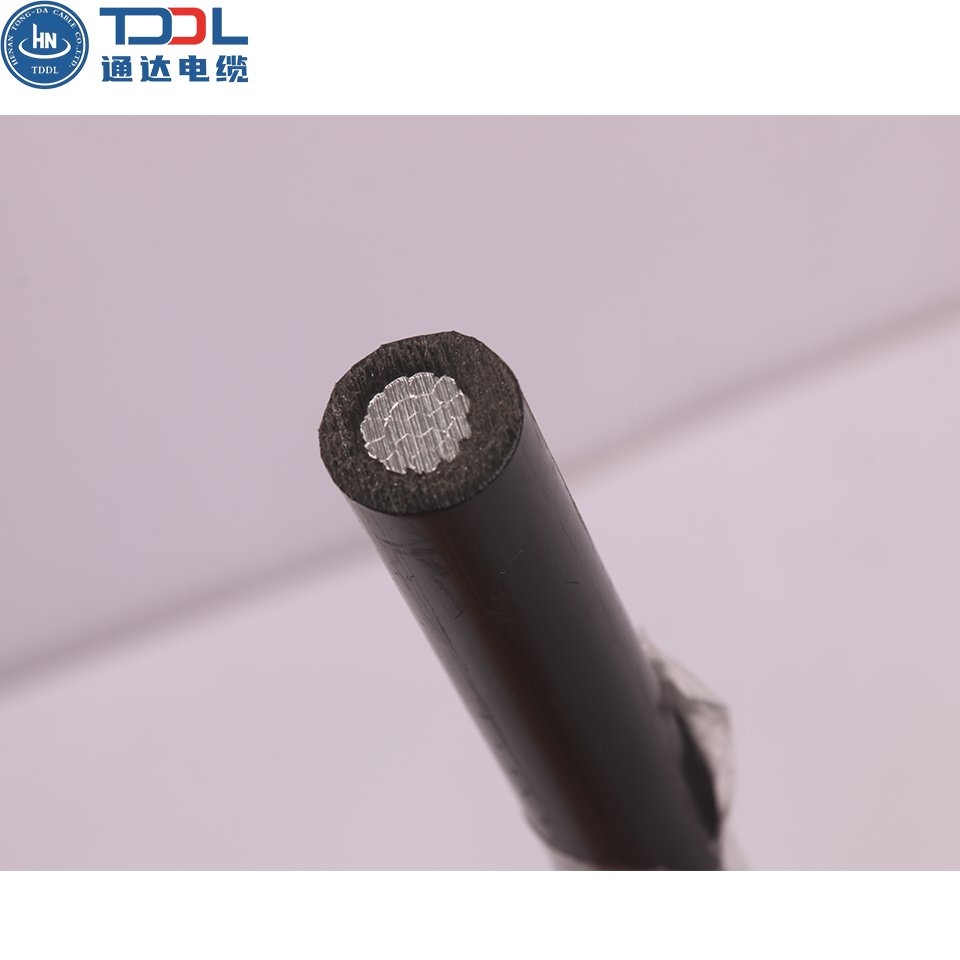
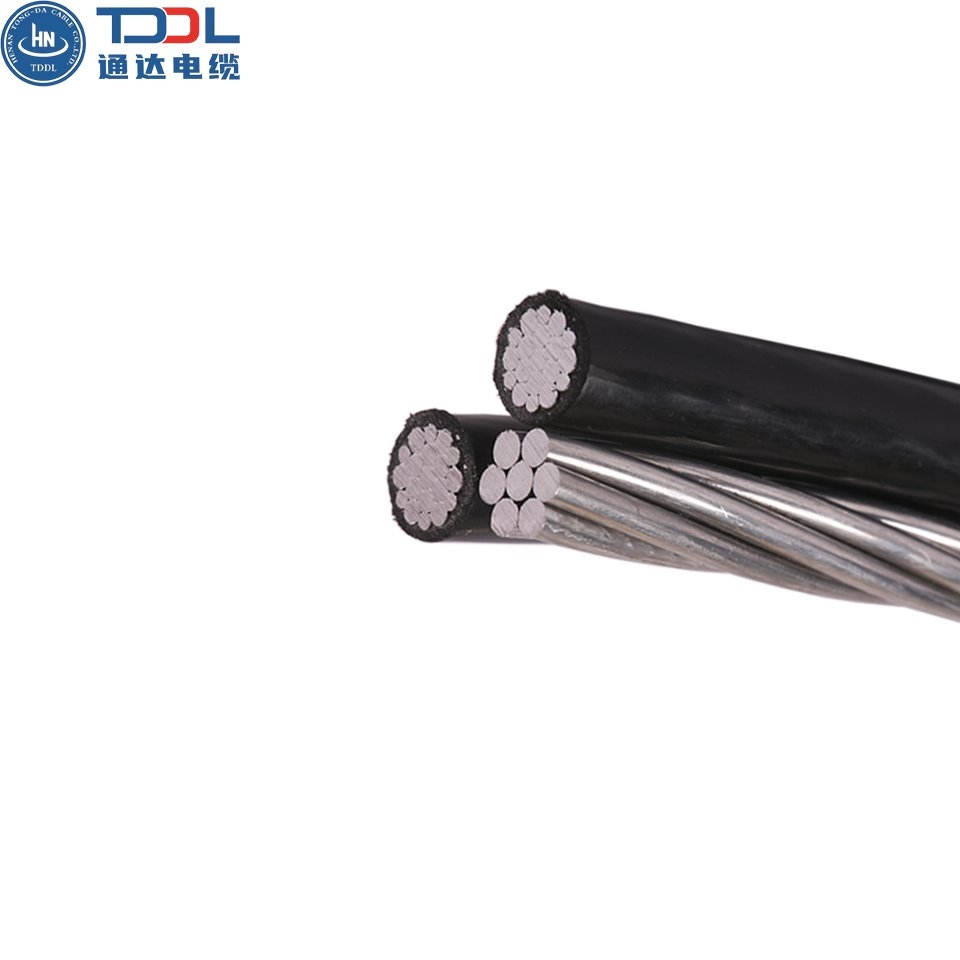
Tree Wire vs Overhead Insulated Cable Which One is Right for Your Landscaping and Power Line Needs

How Do Tree Wire and Overhead Insulated Cable Perform in Various Environments?

Tree wire excels in forested or suburban spots where plants often touch the lines. Its partial insulation ensures safe function even if branches brush against it. By contrast, overhead insulated cable fits better in open or city areas with little tree interference. Aerial insulated cables handle voltages of 10kV. These products mainly support electrical energy distribution in standard overhead setups. Factors like moisture, salt, and shifting temperatures affect the lasting performance of both kinds over time.

Evaluating Tree Wire for Landscaping and Power Line Needs

Why Choose Tree Wire for Power Distribution Near Vegetation?

The partial insulation of tree wire stops short circuits when branches touch live lines. It cuts down on upkeep tasks by easing the need for constant plant trimming near power lines. Our TDDL cable tree wire versions provide a stronger mechanical build to endure strong winds. Thus, they offer dependable service in wooded or hilly places.

How Does Tree Wire Contribute to Safety and Aesthetic Landscaping?

Tree wire's slim profile mixes well with natural landscapes. It keeps visual appeal intact in designed outdoor spaces. The insulation layer lowers the chances of sparking or electrical issues close to trees. Our TDDL cable technology includes tough insulation that delivers steady power. At the same time, it preserves the beauty of the surroundings.

Assessing Overhead Insulated Cable for Power Line Projects

What Makes Overhead Insulated Cable Suitable for Residential and Commercial Areas?

Overhead insulated cables feature full insulation. This makes them perfect for crowded home and business districts where safety matters most. They block accidental touches that could cause blackouts or harm. Our TDDL cable overhead insulated types manage high-voltage setups well. They also keep structural strength amid tough weather.

How Does Overhead Insulated Cable Improve System Reliability?

Complete insulation shields against rain, snow, dirt, and other weather challenges that harm plain bare wires. The outer insulation mainly uses thermoplastic polyethylene (PE) or cross-linked polyethylene (XLPE) in black with weather or UV resistance. It cuts energy waste and boosts overall efficiency in the long run. TDDL cable's improved insulation extends the useful life. This holds true even during heavy use periods.

tree wireComparing Installation Requirements: Tree Wire vs Overhead Insulated Cable

Which Option Is Easier to Install — Tree Wire or Overhead Insulated Cable?

Setting up tree wire calls for precise spacing to prevent too much pull from nearby limbs. Installing overhead insulated cable needs sturdier poles because of its thicker covering. At TDDL cable, we offer adaptable setup methods. These work for both countryside power grids and city setups.

What Are the Maintenance Considerations for Each Type of Cable?

Tree wire demands regular checks in dense plant zones to confirm the covering stays sound after long branch contact. Overhead insulated cables see fewer upkeep needs. Still, they benefit from routine scans for outerwear or sun damage. Choosing our TDDL cable items lowers ongoing costs. Their solid build and weather-proof traits help achieve this.

Cost Efficiency and Longevity of Tree Wire vs Overhead Insulated Cable

Which Option Provides Better Long-Term Value?

Upfront expenses hinge on voltage levels and site conditions. Tree wire saves money in thickly planted zones by trimming down and cutting costs over the years. In urban spots with low care, overhead insulated cables often yield greater worth. Our TDDL cable tech, tuned for performance and duration, supports this.

How Do Durability Factors Influence Cost Decisions?

Elements like sun resistance, scrape endurance, and water shielding shape the full value during a project's span. This standard includes both thermoplastic and cross-linked polyethylene builds, rated for 75°C or 90°C normal service temperature. Our TDDL cable materials strike a fine balance between bendability and strength. They suit various setup types.

Environmental Impact of Using Tree Wire vs Overhead Insulated Cable

How Do These Cables Affect Surrounding Ecosystems?

Tree wire limits tree removal at setup time. It supports eco-friendly practices in wooded areas by letting power lines share space with plants. Overhead insulated cables, when placed right per our TDDL cable eco-standards, cut down on magnetic effects near animal homes.

FAQ

Q: What are the main advantages of using overhead insulated cable over traditional bare conductors?

A: Overhead insulated cables boost safety by blocking direct contact with live lines. They also lessen blackouts from weather or animals, particularly with TDDL cable systems.

Q: When should I choose tree wire instead of overhead insulated cable?

A: Opt for tree wire when lines pass through thick woods or planned gardens where limbs might graze the wires. It reduces failures without major plant removal.

Q: Is tree wire more expensive than overhead insulated cable?

A: Prices vary by voltage and setup details. Yet, tree wire often proves cheaper in the end by easing plant care costs.

Q: Can overhead insulated cables be used in rural landscapes?

A: Yes, overhead insulated cables from TDDL cable lines fit rural areas that need better safeguards against the weather.

Q: How long do tree wires and overhead insulated cables typically last?

A: With good setup and care, both tree wires and overhead insulated cables endure 30 years or longer. TDDL cable materials enhance this through top-notch insulation.

 
Related News
Why Control Cable is Crucial for Efficient Power Distribution
More
15 / 05
Enhancing Electrical Safety: The Role of Intelligent Warning Power Cables
More
17 / 10
How XHHW-2 Wire Outperforms THHN in High Heat Environments
More
11 / 07