



May 15, 2026
How to Choose the Right Extension Cord for Small Appliances: A Complete Guide
What Factors Should You Consider When Choosing an Extension Cord for Small Appliances?
Selecting the appropriate extension cord for small appliances is vital for ensuring household safety, optimizing device performance, and improving energy efficiency. As specialists in electrical products, TDDL Cable emphasizes that understanding the core technical specifications—such as cord length, wire gauge, and power rating—is essential to prevent electrical hazards and extend the lifespan of your devices.Why Cord Length Matters
The length of an extension cord directly impacts its electrical output. Longer cords often lead to voltage drops. This can make appliances less effective. For instance, it might cause lights to dim or fans to spin slower. Subject to the required distance, prioritize the shortest cable length with a compliant wire gauge to ensure maximum safety and reliability. Shorter cords minimize resistance and power waste. For use inside, pick a cord that reaches the outlet comfortably. This avoids extra heat and lowers the chance of tripping. At TDDL Cable, our extension cords for small appliances are available in various lengths. They balance distance with safe power flow.Selecting the correct length also stops overheating and energy loss. Both can cut short the life of your appliances. Experts suggest measuring the space from the outlet to the device before buying. Then, choose a cord that fits without extra excess slack.
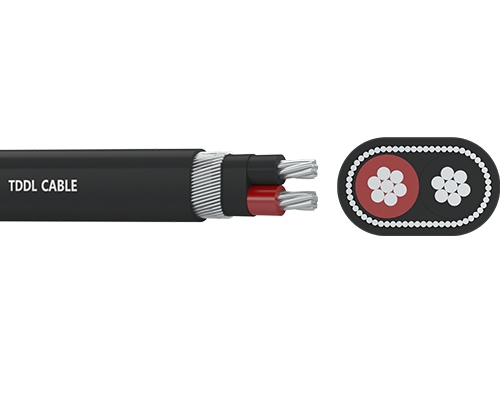
How Wire Gauge (AWG) Affects an Extension Cord for Small Appliances
Wire gauge is a key indicator of a cord's capacity. When denoted by AWG, a smaller gauge number indicates a larger cross-sectional area. These can carry more current without issues. For example, a 14 AWG extension cord handles more amps than a 16 AWG one. It works well for items like coffee makers or microwaves. During operation, if the resistance is too high (due to a thin wire), the current-carrying capacity will become insufficient. This leads to overheating and potential fire risks.We build our TDDL Cable extension cords for small appliances with exact wire thicknesses to match typical home uses. When you match the gauge to your device's power needs, you get steady performance without straining your circuits.
The Importance of Power Rating in an Extension Cord for Small Appliances
Each extension cord has a top wattage rating. This shows the max power it can handle safely. Always verify this before using it. Exceeding the limit can damage the device and the cord's insulation. A simple guideline is to select a cord rated at least 25% above your appliance’s total power.At TDDL Cable, our products feature clear labels for wattage, allowing users to easily pair them with device specifications. This provides trust, even when running several small kitchen gadgets or media players at once.
Types of Extension Cords for Small Appliances
Indoor vs. Outdoor Extension Cords for Small Appliances
Indoor cords are usually lighter and not as tough against dampness. They are designed for places like kitchens or offices. Outdoor cords have stronger covers and weather-proof layers. These guard against sun, water, and weather shifts.Always pick the cord type for its planned spot. Using an indoor cord outdoors can lead to shorts or corrosion. TDDL Cable indoor and outdoor extension cords follow strict cover standards. They offer safety in any setting.
Heavy-Duty vs. Light-Duty Extension Cords for Small Appliances
Extension cords vary by build and load strength. Light-duty ones fit low-power devices like lamps or fans. Heavy-duty versions manage high-power gear such as space heaters or toaster ovens.Choosing the right duty type keeps things running smoothly. It also prevents overheating or tripped breakers. At TDDL Cable, we make both heavy-duty and light-duty choices. This lets experts select items that fit their needs exactly.
Safety Considerations When Using an Extension Cord for Small Appliances
Avoiding Overheating with an Extension Cord for Small Appliances
To prevent overheating, never daisy-chain multiple cords, as this significantly increases resistance and power draw past safe points. Additionally, always fully uncoil the cord before use. Coiled wires hold heat, which can melt the insulation over time. Check each cord often for wear or bare wires before connecting.Our TDDL Cable extension cords pass tough tests for heat resistance. They work reliably and stand up to rigorous use.
Proper Placement of an Extension Cord for Small Appliances in Homes
Where you put the cord matters a lot for safety. Never run cords under carpets or chairs. The weight can crush or harm them. Keep cords away from sinks, stoves, or heaters. Dampness or warmth can weaken the cover.Always use grounded (three-prong) outlets for appliances with metal casings. In the event of an electrical leakage, the ground wire directs the fault current into the ground, triggering the circuit breaker or Residual Current Device (RCD) to trip, thereby protecting personal safety. This is a core feature in all TDDL Cable grounded extension cords.
.jpg)
How to Match an Extension Cord to Your Device’s Requirements
Matching Plug Types and Outlets with an Extension Cord for Small Appliances
Ensure the plug fits tightly into wall outlets. No shaking or spaces, which might spark. Use three-prong grounded plugs for metal devices like mixers or irons. This follows safety rules. Skip adapters that remove the ground pin, as this weakens the built-in protections in current wiring.At TDDL Cable, we provide various plug styles compatible with standard outlets around the world. This makes it easier to use in different places.
Calculating Power Needs Before Selecting an Extension Cord for Small Appliances
Before purchasing, calculate the total watts of all devices (find on the appliance labels). Choose a cable rated at least 25% over that sum. This covers power spikes from motors in items like blenders or vacuums.When matching our TDDL Cable extension with a custom setup, our experts will look at the manufacturer's information to get your exact requirements.
Maintenance Tips to Extend the Life of Your Extension Cord for Small Appliances
Cleaning and Storing Your Extension Cord for Small Appliances Properly
Regular care boosts the service life of the cord. Clean it often with a dry cloth to remove dust that can harm the cover. For storage, coil it loosely. Do not wrap it tightly on hooks, which can damage internal wire strands.Keep it in a cool, dry spot away from the sun. Our care tips come with every TDDL Cable product order. They fit these best practices.
When to Replace an Old Extension Cord for Small Appliances
Discard any cord with visible cracks, burns, soft spots, or loose ends right away. These signs mean the cover is weak, which raises shock dangers. Replace cords that often trip breakers or get hot in use. It indicates internal damage from overloadNewer TDDL Cable models are regularly updated to keep up with new safety rules, ensuring you benefit from the latest safety materials and increased efficiency.