



Nov 28, 2025
Why ACS Conductors Work Best in Corrosive Areas and Coastal Power Lines
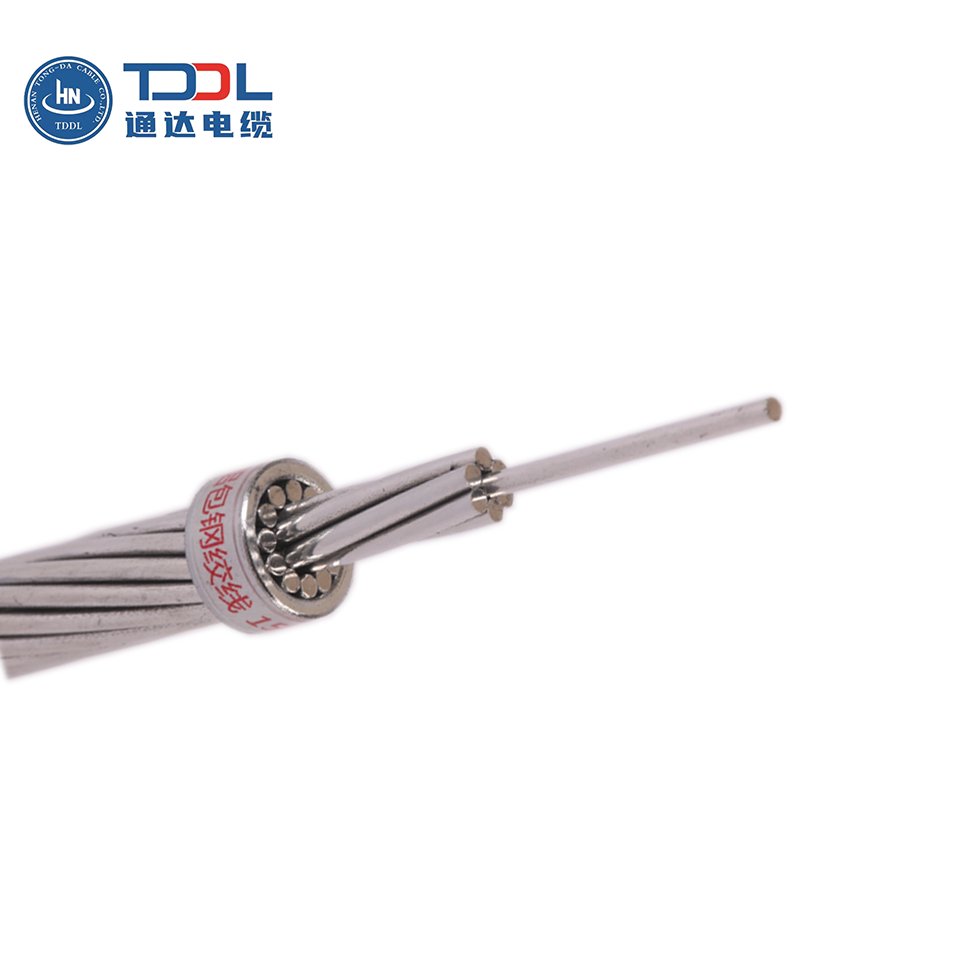
Many utilities still use GSW (Galvanized Steel Wire Strand) as the ground wire, but in harsh environments, the zinc coating wears out fast. Once the coating is damaged, the exposed steel begins to rust rapidly—leading to higher maintenance costs, early failure, and unreliable performance.
This is where Aluminium Clad Steel (ACS) ground wires from TDDL Cable deliver a major performance advantage. Unlike GSW, ACS is built specifically for corrosive and coastal applications.
What Are ACS Conductors?
ACS (Aluminium Clad Steel) is a high-strength ground wire used in overhead transmission lines.It is not used as a phase conductor like ACSR. Instead, ACS is installed as:
- Ground wire / Earth wire
- OPGW alternative in some environments
- Shield wire in corrosive and coastal zones
This is NOT a surface coating. It’s a permanent, diffusion-bonded aluminium sheath that will not peel, crack, or flake.
Why We Compare ACS with GSW (Not ACSR)
It’s important to clarify:- ACSR = Phase conductor (with galvanized steel core)
- ACS = Ground wire (fully aluminium-clad steel)
A correct comparison is:
ACS vs GSW (the real alternatives for ground wire applications)
| Feature | GSW (Galvanized Steel Ground Wire) | ACS (Aluminium Clad Steel Ground Wire) |
| Surface protection | Zinc coating (wears off) | Thick aluminium cladding (bonded) |
| Corrosion resistance | Medium | Extremely high |
| Salt spray resistance | Poor | Excellent |
| Service life | 5–15 years in coastal zones | 20–40+ years |
| Risk of rust | High | Almost zero |
| Maintenance cost | High | Very low |
Why Corrosion Resistance Matters in Coastal & Industrial Areas
Coastal and polluted zones accelerate steel corrosion dramatically:- Salt spray and humidity attack any exposed steel
- Industrial chemicals (SO₂, NOx, acid rain) erode zinc coatings
- Once zinc is gone, GSW rusts rapidly
- Rust reduces tensile strength
- Sag increases, safety margins drop
- Replacement and inspection costs rise sharply
Why ACS Performs Better in Harsh Environments
TDDL Cable’s ACS ground wires outperform GSW because:- The steel core is 100% sealed inside aluminium
- No moisture, salt, or chemicals can reach the steel
- Aluminium offers superior natural corrosion resistance
- No galvanic reaction occurs between dissimilar metals
- Mechanical strength remains stable even after decades
Key Benefits
- Decades-long corrosion-free performance
- Ideal for salt, fog, and industrial pollution zones
- Lower lifetime maintenance costs
- Stable sag and mechanical strength over time
- Higher reliability for transmission and substation safety
- Environmentally friendly (fewer replacements required)
Where ACS Ground Wires Perform Best
ACS conductors has been field-tested and widely used in:- Coastal transmission lines
- Offshore wind farm power evacuation
- Island power networks
- Substations located near the sea
- Industrial zones around refineries or chemical plants
- Mountain areas with acid fog or high pollution

They should be compared with GSW, not ACSR, because their functions differ.
With fully aluminium-clad, metallurgically bonded steel cores, ACS provides:
- Strong corrosion resistance
- Long-term mechanical reliability
- Lower operational costs
- Better safety and stability
Work With TDDL Cable
TDDL Cable provides high-quality ACS products for harsh-environment power projects.Contact us for expert recommendations and fast quotations.