



Dec 12, 2025
Unlocking Efficiency with KYJV XLPE Control Cables
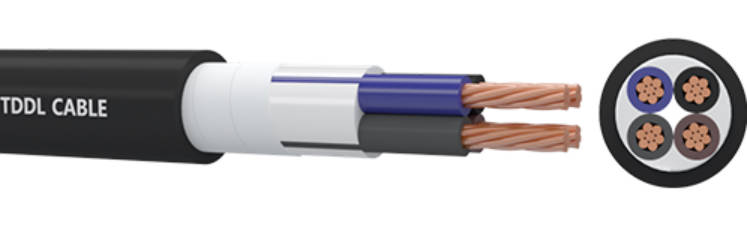
Enhanced Thermal Performance for Continuous Operation
KYJV control cables use XLPE insulation—cross-linked through silane chemistry or UV irradiation. Both methods rearrange the polymer into a tighter, harder-to-break structure. It’s the sort of modification that doesn’t look dramatic at a glance, but makes a world of difference when the cable runs in a cabinet that feels like a small oven in the summer.PVC control cables normal operating temperature not exceed 70˚C. Once they get hotter, the insulation slowly loses its strength, and anyone who has opened an old panel knows that smell of “warm PVC.” KYJV cables don’t really have that issue. They keep running at 90°C for years. In continuous production plants—like a bottling line where heat never truly drops—this extra 20°C margin often saves a lot of unexpected downtime.
During overloads, KYJV handles 130°C, and in short-circuit events, insulation can tolerate 250°C for a brief moment. Nothing magical—just solid material science. One more detail technicians appreciate: XLPE doesn’t soften or drip when pushed by heat. So even if the cable is near a hot drive or transformer, the insulation doesn’t sag or expose the copper.
Higher temperature tolerance also means smaller cable sizes can carry the same current. In tight industrial cabinets where cable ducts are already crowded, this matters more than most people admit.
Superior Electrical Properties in Automation Systems
KYJV cables maintain low dielectric loss and high insulation resistance, which helps keep control signals clean. In busy workshops where motors, welders, and inverters fire up all day long, even small noise interference can throw off PLC inputs. A single unstable 4–20 mA loop or loose encoder reading is enough to cause a machine stop, so cleaner insulation pays off.Voltage classes—450/750V, and 0.6/1kV—cover common control circuits. XLPE handles electrical stress better than PVC. That gives the cable a calmer, more predictable life, especially in old factories where power fluctuations happen often, sometimes without any warning.
Outstanding Mechanical Strength in Dynamic Environments
Installers know how cables get treated: pulled too hard, bent around a bracket that shouldn’t be there, stepped on during a rushed night shift.For areas where physical damage is a real threat—underground passages, vertical shafts, or workshops where rodents seem to appear out of nowhere—the armored KYJV32 version adds a steel wire barrier. Not fancy, but very effective. Some engineers swear by it after losing cables to mice one too many times.
XLPE vs PVC Insulation Performance Comparison
| Property | XLPE Insulation | PVC Insulation |
| Continuous Operating Temperature | 90°C | 70°C |
| Short-Circuit Temperature | 250°C | 160°C |
| Dielectric Loss | Low | Higher |
| Insulation Resistance | High | Moderate |
| Chemical | Excellent | Moderate |
| Mechanical Strength | Superior | Lower |
| LSZH Availability | Available | Limited |
Contact TDDL cable to get KYJV cables with custom specs, project quotations, and sample support when needed.