



Jun 05, 2026
Why ACSR Conductor Remains the Best for Long-Distance Overhead Lines
The Role of ACSR Conductor in Long-Distance Overhead Transmission Lines
Why Is ACSR Conductor Preferred for High-Voltage and Long-Distance Applications?
The Aluminum Conductor Steel Reinforced (ACSR) conductor remains the main choice for high-voltage and long-distance power lines. It has a special mix of materials and strong performance. The aluminum strands give good electrical conductivity. The steel core gives mechanical strength. Aluminium Conductor Steel Reinforced (ACSR) is a concentrically stranded conductor with one or more layers of hard-drawn aluminium wire on a galvanized steel wire core. This design helps engineers create lines that match good conductivity with good strength.The advantages of ACSR conductors are clear. They handle high mechanical stress without excessive sag over long spans. Their lightweight construction reduces tower load, which lowers both installation and infrastructure costs. These points explain why ACSR conductors are used in almost every large grid system for overhead lines. When selecting an ACSR conductor, the rated tensile strength is chosen based on span and sag requirements, while the specification is selected according to ampacity needs.
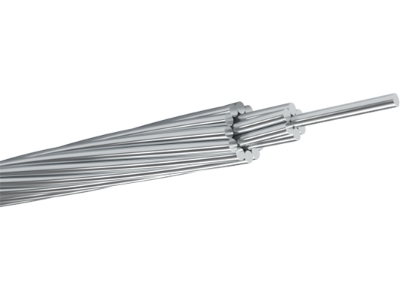
How Does the Structure of ACSR Conductor Enhance Its Efficiency?
The layered design of ACSR conductors enhances both electrical and mechanical performance. The outer aluminum strands deliver strong current capacity due to aluminum's high conductivity. The galvanized steel core adds tensile strength and also helps reduce sag. The core can be a single wire or stranded, depending on the size, allowing project teams to adjust the conductor for each application — whether short city links or long rural spans.The layered construction adds flexibility during stringing, making installation easier on rough terrain. From an engineering perspective, this material mix supports most overhead ACSR conductor selection guides used by utilities today.
Mechanical Strength and Durability of ACSR Conductor in Harsh Environments
What Makes ACSR Conductor Mechanically Reliable Over Long Distances?
ACSR conductors are built for strong mechanical reliability. Their high tensile strength supports longer spans between towers while maintaining line stability. ACSR offers optimal strength for line design. The steel core resists wind-induced vibrations and ice loads, which are common in mountain or coastal areas.Proper tensioning during installation keeps performance steady even when temperatures change. Engineers often refer to the ACSR conductor's tensile strength, which is expressed as the ratio of load capacity to weight per meter. This ratio makes it the right choice for the best ACSR conductor for long-span transmission systems.
How Does ACSR Conductor Resist Corrosion and Environmental Degradation?
Durability is another key advantage of ACSR conductors. Extra corrosion protection comes from grease applied to the core or the entire conductor, which improves resistance to moisture and chemicals. Galvanized steel cores resist rust thanks to the zinc layer, while aluminum outer layers form an oxide film that blocks further oxidation.These measures reduce maintenance needs and extend service life in harsh environments such as coastal areas or industrial zones.
Electrical Performance of ACSR Conductor in Power Transmission Systems
Why Does ACSR Conductor Maintain High Electrical Conductivity Over Time?
Aluminum’s low resistivity supports steady energy flow with little loss over long distances. The strand layout helps heat leave during heavy loads. It keeps the operation stable under changing electrical loads. Steady contact points between strands limit resistance growth. This ranks as one of the main ACSR conductor benefits for high voltage lines.Compared with other types of ACSR conductors, such as AACSR or ACSS, standard ACSR keeps a good balance of conductivity and cost. Reliability stays high.
How Do Temperature Variations Affect the Electrical Behavior of ACSR Conductor?
Temperature control matters for steady results in different climates. The expansion rates of aluminum and steel are set to limit sag from heat. Proper conductor size and spacing keep temperatures in check. This stops overheating. Running inside rated limits avoids thermal fatigue. This factor shapes the ACSR conductor cost vs performance across many years of use..jpg)
Economic and Operational Advantages of Using ACSR Conductor for Overhead Lines
What Are the Cost Benefits of Choosing ACSR Conductor for Transmission Projects?
From a cost perspective, a key advantage of ACSR conductors is their lower initial cost compared to copper or all-aluminum alternatives. Their lightweight construction reduces tower height requirements and lowers material usage on large projects. A long service life also cuts replacement and downtime costs. These points make ACSR a smart choice for utilities operating large networks.For example, the ±660kV Matiari-Lahore HVDC Transmission Project selected ACSR conductors for their proven reliability under harsh conditions.
How Does ACSR Conductor Simplify Installation and Maintenance Operations?
The flexible stranding design makes handling easier on site. This helps most when ground levels change often. Standard fittings work without special parts. Integration into current grid systems stays simple.Predictable mechanical behavior helps teams adjust tension during service checks. This raises safety and cuts downtime on lines that run for hundreds of kilometers.
Innovations in ACSR Conductor Design by TDDL cable for Long-Distance Applications
How Has TDDL Improved the Performance Characteristics of Modern ACSR Conductors?
At TDDL , we keep improving our build process for better results in tough conditions. Our advanced galvanization and greasing processes enhance corrosion resistance near coastal or polluted areas. Mechanical strength is maintained throughout the full service life. Our strand layout increases ampacity without a significant increase in diameter — a key factor when lines require higher current capacity.Strict quality checks ensure consistency on every reel. Each product meets IEC 61089 and ASTM B232 specifications.