



Dec 25, 2025
Why XLPE Insulation Is Preferred for Medium & High Voltage Cables: Performance Basics for Buyers
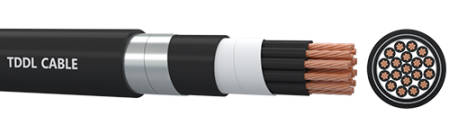
What Exactly Is Cross-Linked Polyethylene (XLPE)?
XLPE is a type of thermoset plastic that's widely used to insulate medium- and high-voltage power cables. It offers great electrical, heat, and strengthproperties. It starts as regular polyethylene—usually the low-density kind (LDPE)—and then goes through a special linking process. This builds a tough, 3D molecular network.
For these voltage levels, the common method is peroxide crosslinking. Workers add organic peroxides to the polyethylene mix. Heat during extrusion and curing kicks them into action. The peroxides split and create free radicals. Those radicals bond the chains together firmly. What you get is a smooth, solid thermoset material.
The whole linking step changes polyethylene from something that melts easily when hot into one that stays firm under heat and electrical strain. It ends up much better at handling heat, staying strong, and keeping electrical properties stable.
Right after extrusion, it moves to curing. This is usually done in a continuous vulcanization line. Heat and time are watched closely to finish the linking. Thanks to that, cables can run day-to-day at 90°C instead of just 70°C like plain PE. They can even survive short bursts up to 250°C. This lets them carry more current safely while still performing well electrically.
Why Do People Use XLPE for Medium and High Voltage Cables?
XLPE works so well mainly because of those strong links between molecules. Side by side with ordinary polyethylene, it has better electrical features, tougher build, and way better heat tolerance. That's perfect for the harsh world of medium- and high-voltage power lines.Those links stop the chains from slipping when things get hot or stressed electrically. The insulation doesn't change shape. It keeps its electrical strength for many years. This is a big help for cables that deal with varying loads, hot wires, and tough laying conditions.
How It Handles Cracks, Scratches, and Mechanical Stress
XLPE holds up really well against physical damage. It fights off cracks, scratches, and cracking from environmental stress. This matters a lot during installation in ducts underground, tunnels, trenches, or straight into the ground. Cables get dragged, bent, and scraped on rough surfaces.Its stronger nature means less chance of harm while moving or installing it. Cables last longer and break down less once in use.
Even Spread of Electrical Stress and Solid Reliability
XLPE distributes electrical stress nicely across the layer. It prevents spots with too much stress that could lead to sparks, hot zones, or quick aging. It has high strength against breakdown and low energy losses. Performance stays consistent even with changing power flows.This is key for medium- and high-voltage setups. Reliable insulation means a steady grid and lower repair bills.
Handling Oil, Chemicals, and Harsh Environments
XLPE doesn't mind oils, fuels, moisture, or lots of chemicals. It fits right in at places like oil refineries, power plants, and buried spots where spills or water happen.By tweaking the recipe—adding things like antioxidants or carbon black—you can make it better against weather and outdoor use. It lasts even longer in rough settings.
Heat Handling and Short-Circuit Strength
Since it's thermoset, XLPE doesn't get soft or runny when heated, unlike regular plastics. Normal XLPE cables are good for constant 90°C use. They can take short-circuit heat up to 250°C briefly, depending on wire size and standards.Better heat handling means they can carry more current and deal with overloads easier. Designers get more efficient systems than with basic polyethylene cables.
Where You'll Find XLPE in Medium and High Voltage Cables
XLPE is now the standard pick for medium-voltage cables (often 2 kV to 35 kV) and higher ones. It has a great history of being dependable and lasting long. The peroxide-linked type is the usual main insulation.It's common in public power grids, factory supplies, wind or solar setups, and underground or undersea lines.
There are special kinds too—like ones that don't spread fire easily or low-smoke halogen-free (LSZH) types—for tunnels, trains, and indoor areas. Fire safety and less smoke are big deals there.
Why Cable Companies Still Love XLPE
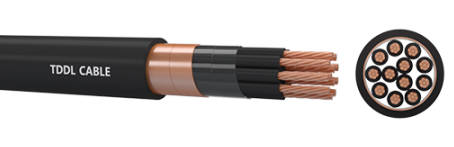
For makers and planners, XLPE strikes a nice balance. It delivers good electrical power, solid strength, heat resistance, and reliable manufacturing. It plays well with modern machines for extrusion and curing. Quality stays steady no matter the voltage.Leading manufacturers like TDDL cable specialize in high-quality XLPE-insulated medium and high voltage cables, ensuring consistent performance and compliance with international standards.
These cables prove trustworthy over the years. They save money by cutting failures, fixes, and surprise shutdowns. That's why XLPE keeps being the favorite for medium- and high-voltage jobs where you can't compromise on performance or toughness.