



Dec 26, 2025
AAAC Purchasing Checklist for Importers: Required Test Reports, Certificates, and Packing Details
Advantages of Buying AAAC Cables in Bulk
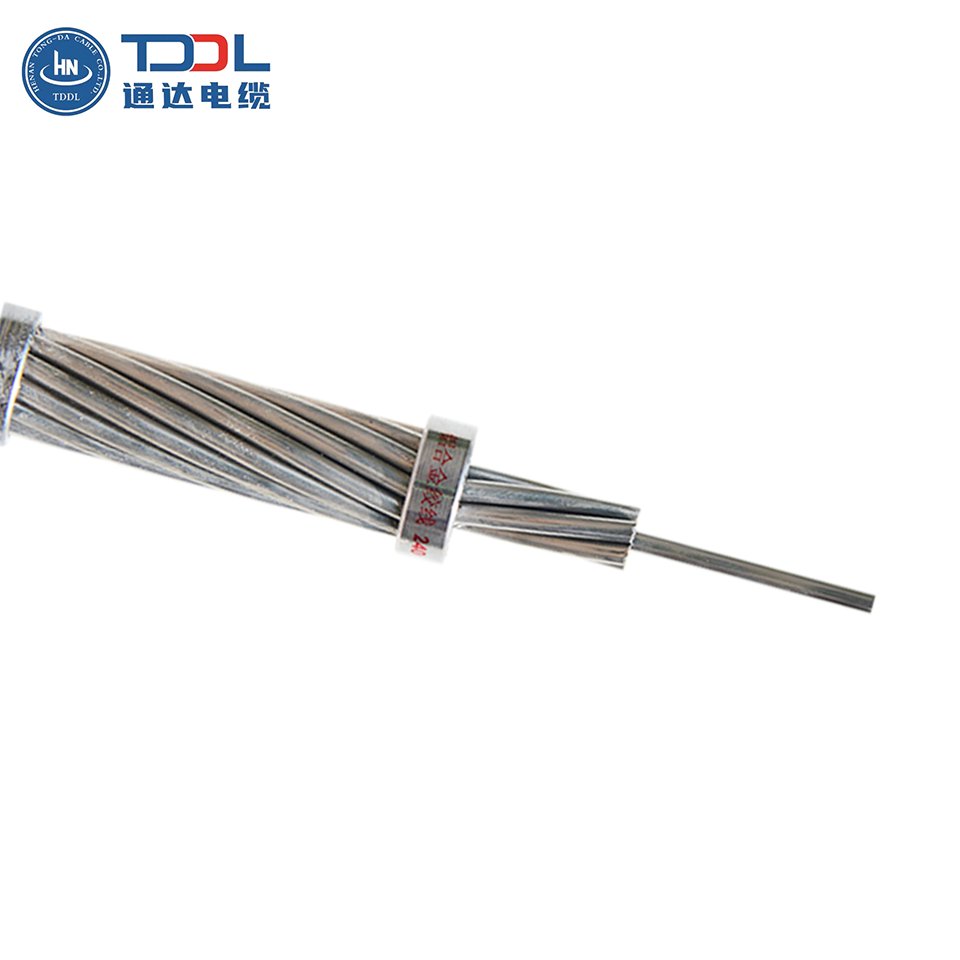
Ordering All-Aluminum Alloy Conductors (AAAC) in big amounts brings importers some real benefits. This helps a lot when sourcing materials for large electricity transmission and distribution projects.A major advantage is saving money. Big orders allow purchasers to gain from bulk discounts. Factories can get materials cheaper and lower the cost to make each unit. This is really important for power company jobs and EPC tenders. Competitive pricing can make the difference in winning the deal.
Batch procurement saves time in the production process and improves overall efficiency.
From a technical angle, for conductors of the same specification, AAAC offers higher tensile strength than AAC, though its current-carrying capacity is comparatively lower. AAAC allows for longer span lengths between poles without significant sag. The aluminum-magnesium-silicon mix gives better protection against rust. This suits AAAC well for seaside, factory, or polluted zones. Regular aluminum conductors tend to break down quicker there.
Important Factors in Selecting AAAC Conductor Suppliers
Selecting the best AAAC supplier is vital for successful bulk procurement.Start with their overseas sales background and solid history. Producers with strong international experience understand the documents, inspections, and rules of different markets.
Meeting standards needs to be straightforward. AAAC conductors are usually built to ASTM B399. This sets guidelines for alloy wires and complete conductors. IEC 61089 and BS EN 50182 are common too as broad overhead standards. They address build, strength features, and behavior. Double-check the correct one for the job and client specs.
Production capacity is key for large orders. Review the supplier’s production per month, sizes they handle, and history with big deliveries. This keeps timelines manageable.
Options for custom work and tech assistance bring extra worth. Strong producers can supply special Structure, performance. They provided suggestions on requirements such as span length, rated breaking load, and current-carrying capacity.
Also, think about payment options and support after sales. Easy terms, solid guarantees, and fast help lead to better ongoing partnerships.
Key Test Reports and Quality Verification
Quality assurance for AAAC conductors involves checking materials, routine tests, and good documentation.Resistance tests make sure the DC resistance of the conductor meets the allowable range. This guarantees smooth power transfer.
Tensile Strength and elongation tests prove it can withstand installation stresses and operational loads, such as those induced by wind, ice, and thermal cycling.
Bending tests examine single wire ductility and surface condition. The single wire gets coiled around a mandrel to check for no cracks or defects under stress.
AAAC is more corrosion-resistant than AAC. In harsh conditions, grease can be applied on AAAC to improve its protection.
On top of in factory reports, buyers might request third-party laboratory confirmations. Projects or customers sometimes insist on this.
Necessary Certificates and Documentation
A Factory Acceptance Test (FAT) reports structure, strength details, and test results for each production lot. These confirm the conductors follow the set standards, like ASTM B399 or related IEC/EN ones.A Type Test Report confirms a particular design cleared all required checks. It's for fresh designs or initial approvals, not routine lots.
An ISO 9001 Certificate proves the producer uses a solid quality system. This boosts steady output and tracking.
A Certificate of Origin handles customs. It might influence taxes or preferences.
Packaging and Shipping Needs for Large Orders
Solid packing keeps AAAC conductors safe on international trips.Common choices include wood drum, steel-reinforced wood drum, or steel drum. Pick based on size, distance, and moving requirements.
Each drum needs obvious markings. Such as type, section area, length, lot ID, make date, and where it's going.
For wooden packaging, a fumigation cert is mandatory. It follows global pest control laws.
Standard export packing has outer protective plate and tough bands. This stops harm while loading, at sea, and offloading.
Experienced suppliers frequently assist with shipping. They provide load layouts for containers, sea insurance, and tracking updates.
Advice for Long-Term AAAC Supply Deals
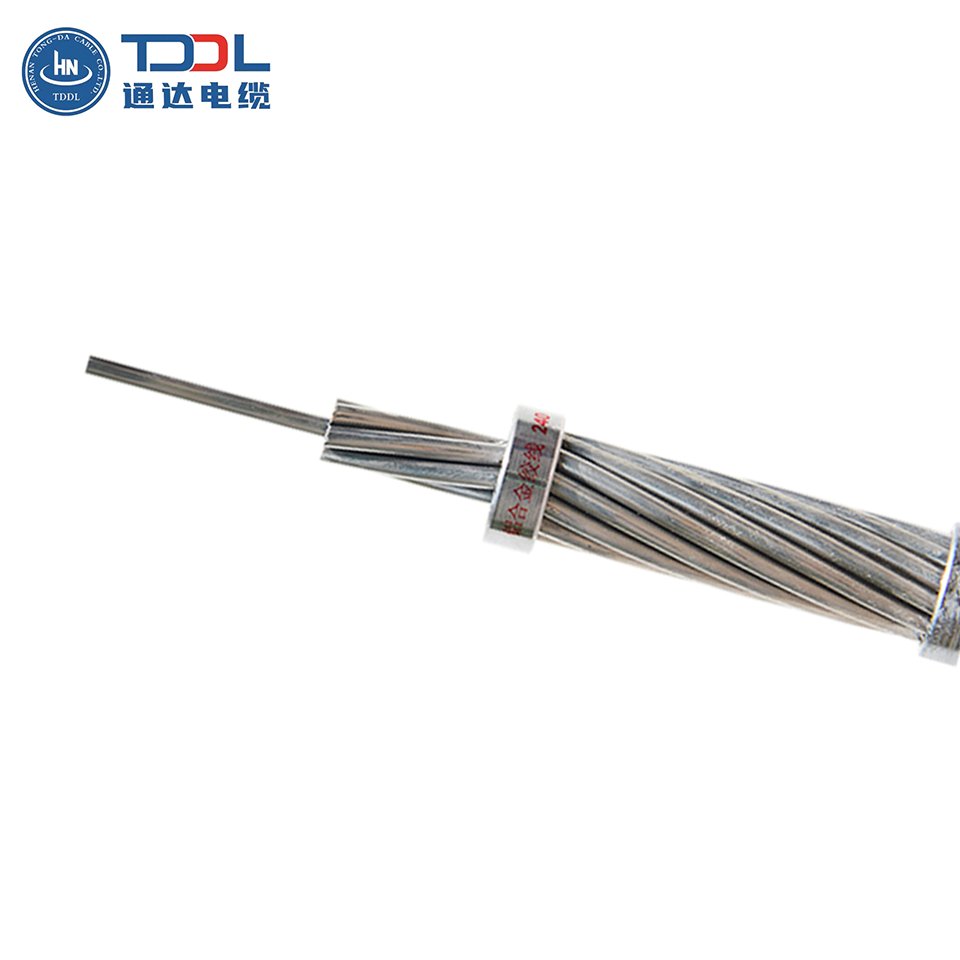
Ongoing contracts offer big perks for buyers with regular demand.Set or adjustable pricing guards against metal price changes.
Clauses for preferred scheduling lock in spots when things are hectic. This minimizes hold-up chances.
Quality promises might specify lowest strength or maximum resistance. They fit into the agreement.
Shared forecasting of needs helps both sides plan production and transportation better.
Conclusion: Making AAAC Cable Import Work Well
AAAC Import are not just about low prices. Buyers need to review supplier financial strength, compliance with standards, quality control, and packaging. This reduces technical and commercial risks.AAAC conductors are available in a range of alloy types, conductivity grades, and constructions. Always align exact demands with job details and current-carrying capacity and standards.
Following this guide and teaming up with reliable producers like TDDL cable lets importers save money, follow rules, and have steady sources.