



Dec 19, 2025
What Is AL1 Aluminium Conductor? A Practical Guide to Type AL1 in Overhead Lines
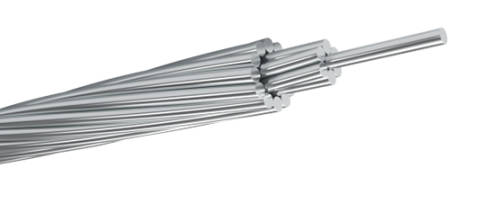
Within this group, AL1 is one of the fundamental aluminium material grades commonly used for AAC (All-Aluminium Conductors). Under the EN 50182 standard, AL1 defines the aluminium material itself, whereas AAC refers to a category of stranded all-aluminium conductors. In practice, many AAC designs are manufactured using AL1 material; however, the two terms are not interchangeable: AL1 is a material designation, while AAC is a conductor type.
1. Standards Defining AL1 Conductors
AL1-based conductors are defined and governed by several major international standards, including:| Standard | Region | Scope |
| EN 50182 | Europe | Conductors for overhead lines — Round wire concentric lay stranded conductors |
| IEC 61089 | International | Round wire concentric lay overhead electrical stranded conductors |
| BS EN 50182 | UK | Conductors for overhead lines — Round wire concentric lay stranded conductors |
| DIN 48201-5 | Germany | Round aluminium stranded conductors |
2. What does “AL1” Means Under EN 50182
In the EN naming system:- “AL1” refers to hard-drawn aluminium (about 99.5% minimum).
Other grades such as AL2–AL6 describe different alloys or tempers. Even so, AL1 remains the most common choice for standard AAC conductors.
3. Construction and Stranding Characteristics
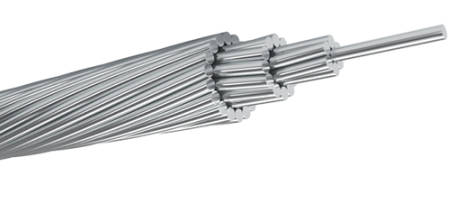
AAC conductors made with AL1 use concentric layers of hard-drawn aluminium wires. Common constructions include:- 7-wire
- 19-wire
- 37-wire
- 61-wire
4. Key Technical Characteristics
The following points describe the usual performance of AL1-based AAC conductors.
Electrical Characteristics
- High electrical conductivity because of the metal’s purity.
- Meets the conductivity requirements in EN 60189.
Thermal Behavior
- Many utilities set 75°C as the normal continuous operating temperature for AAC.
- Some regions allow higher temperatures. This depends on local engineering rules and ampacity calculation methods.
- The final allowed temperature follows utility specifications or national guidelines.
Corrosion Characteristics
- Good performance in clean or lightly polluted air.
- In strong coastal or corrosive environments, AAAC or other conductor families are usually preferred.
Mechanical Strength
- Lower tensile strength than conductors with a steel core.
- This limits AL1 usage in long spans or areas with heavy mechanical loading.
5. Application Scenarios and Voltage Levels
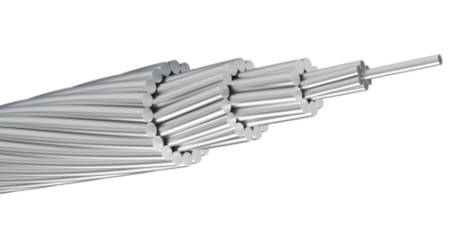
AL1-based AAC conductors are widely used in:- Low-voltage (LV) distribution networks where bare conductors are allowed.
- Medium-voltage (MV) networks from 10–35 kV.
- Short-span overhead lines with moderate mechanical loads.
In many places, cost-sensitive MV networks continue to choose AAC-AL1 conductors—such as the AL1 overhead conductor series from TDDL cable—because they offer a good mix of conductivity, easy handling, and stable performance in ordinary outdoor conditions.
6. Comparison of Conductors Relative to AAC Using AL1 Material
| Parameter | AAC | ACSR | AAAC |
| Material | Hard-drawn aluminium | Aluminium conductor steel reinforced | Aluminium-magnesium-silicon alloy |
| Conductivity | Highest | High (slightly reduced by steel core) | High |
| Mechanical Strength | Low | High | Medium |
| Weight | Light | Medium | Light |
| Corrosion Behavior | Good in normal atmospheres | Good in normal atmospheres | Preferred in corrosive areas |
| Typical Use | Short spans, MV/LV | Long spans, MV/HV/EHV/UHV | Coastal or corrosive zones, medium spans, MV/HV |