



Jan 01, 2026
How Contact Wire Works with Pantographs: Basics for Rail and Transit Projects
In today's rail and transit power systems, the contact wire plays a key role. It supplies electricity from fixed infrastructure to moving trains. As part of the overhead line system (OLE), the contact wire acts as the main point for current pickup via a train's pantograph. Operators control these systems from central substations. This setup lets them watch and handle power supply over large networks. Remote control improves safety. It also aids in spotting issues and fixes problems quickly. These features matter a lot for busy city and long-distance rail lines.
Overview of the Overhead Contact System
The overhead contact system (OCS), often called the catenary system, is a hanging set of wires. It ensures steady electrical contact with trains in motion. The setup starts with the top catenary wire, also known as the messenger wire. This wire is stretched tight between poles.From this messenger wire hang droppers. These are vertical links placed at exact intervals. They hold and place the bottom contact wire at the right height and position.
The pantograph sits on the roof of electric trains or railcars. It keeps steady touch with the bottom contact wire. A spring or air system pushes it upward. This provides reliable power transfer even at fast speeds or on uneven tracks.
Power follows a clear path. It starts at a substation. It moves through high-voltage lines. Then it enters the catenary via switches and transformers. Next, it reaches the contact wire.
As the pantograph slides along the contact wire, it picks up the electricity. It sends it to the train's transformers and motors. The current returns through the wheels and rails. These connect back to return lines or earth systems.
Insulators are placed in key spots around the system. They separate parts electrically. This stops unwanted current flow. Insulators keep workers safe. They also prevent damage from shorts or leaks.
Pantograph Design and Materials
Pantographs come in two main types: the classic diamond shape or the newer single-arm style. The single-arm type is lighter and better for air flow. This makes it popular for fast trains. Both types do the same basic job. They keep good electrical contact with little wear.Builders choose materials for strength, low weight, and good electrical traits. Frames often use light aluminum alloys. These give solid support without adding much weight to the train roof.
At the contact point, carbon strips are common. Carbon conducts well. It wears slowly against metal wires. It also handles sparks better at high speeds.
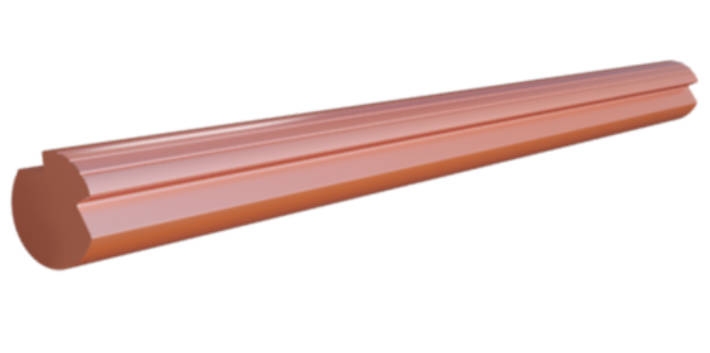
The contact wire uses materials built for electrical and mechanical needs. Grooved copper or copper alloys are typical. They offer great conductivity and strength. This lets them handle tension and heat changes over long sections without drooping or damage.
(Note: Some systems use different setups, like aluminum for phase parts or galvanized steel for messengers. Specs can vary by project.)
Installation and Safety Considerations
Setting up overhead contact systems requires careful work. It involves risks if not done right. High-voltage parts need exact placement for reliable and safe use under moving conditions.Only trained experts with proper tools should handle installation. Key details must be checked carefully. These include wire tension (to avoid sag or breaks), proper positioning (for smooth pantograph movement), correct height (to fit trains), and right contact pressure (to reduce wear while keeping good connection).
Bad setup can lead to problems. These include sparks from poor contact. It can cause fast wear on carbon strips or wires. Mechanical catches might even derail trains. Outages can stop whole lines. So, strict checks and tests after install are a must.
Pricing and Project Support
Costs for contact wire systems change a lot. Factors include material choice (pure copper or alloys), wire thickness (for current load), total length, and site issues like wind or temperature swings.For good budgeting and product picks, talk to experts. At Contact Wire, our staff helps contractors and engineers. We compare specs, check fit with current setups, and meet rail standards.
Our specialists guide on materials for load, voltage, life span, and upkeep. For metro growth or high-speed links, we give custom advice. This ensures parts last well.
If you plan a new rail power project or upgrade an old one, contact TDDL cable for help. Call 86-371-60311151 today. Get specs, quotes, or advice on your contact wire needs.