



May 14, 2026
Why Bare Copper Earth Wire Is the Best Choice for Electrical Safety in Modern Installations
Why Bare Copper Earth Wire Matters for Electrical Safety in Today's Setups
The Key Function of Bare Copper Earth Wire in Grounding Setups
Bare copper earth wire plays a critical role in grounding systems. It offers a low-resistance path. This allows fault current to safely dissipate into the ground. This helps reduce the risk of electric shock. It also helps protect equipment from damage caused by electrical faults or lightning strikes. Copper’s excellent conductivity enables rapid fault current dissipation. As a result, protective devices can operate effectively. It also helps minimize system downtime.At TDDL cable, our bare copper earth wire are manufactured using high-purity copper, ensuring compliance with stringent safety standards. Copper offers excellent electrical and thermal conductivity, flexibility, and resistance to oxidation. It can also be alloyed with other metals. These traits make it ideal for grounding applications in homes, businesses, and factories. Its stable performance under various environmental conditions ensures the safety and reliability of modern electrical systems.
.jpg)
How Bare Copper Earth Wire Boosts Safety in Current Electrical Setups
Modern electrical systems increasingly rely on sensitive electronic equipment. These require stable voltage levels and noise-free operation. Bare copper earth wire meets these needs by providing a low-impedance path to ground. Thanks to its high conductivity, it reduces voltage swings and suppresses electromagnetic disturbances. At TDDL Cable, our bare copper wires undergo rigorous testing. These tests ensure consistent conductivity and mechanical strength. This ensures compliance with international electrical standards.The toughness of bare copper supports lasting dependability. Copper ranks second only to silver in electrical conductivity. Its thermal conductivity trails just gold and silver.It offers strong corrosion resistance. Copper is also non-magnetic, bends easily, and welds simply. These are among the reasons experts use it widely. Thanks to these built-in benefits, our products provide steady results even in tough conditions like outdoor or factory environments.
The Key Benefits of Bare Copper Earth Wire in Electrical Networks
Electrical Conductivity Advantages of Bare Copper Grounding WireCopper’s high conductivity enables efficient fault current dissipation. Cable conductors are commonly manufactured using high-purity industrial copper. This material typically contains more than 99.90% copper. This high purity helps minimize energy loss. It also improves overall system efficiency. This is achieved by maintaining low resistance throughout the grounding system.
Our TDDL cable bare copper earth wires are manufactured using high-purity copper.This improves ductility and electrical conductivity. The steady quality ensures reliable work under changing loads and weather. This is essential for modern power systems that require high reliability.
Strength and Corrosion Resistance of Bare Copper Earth Wire
Bare copper earth wire shows great resistance to corrosion. This helps extend the service life of grounding systems. It maintains stable performance even when exposed to moisture and soil chemicals.The main purpose of copper alloys is to improve copper's wear resistance, corrosion resistance, and other physical traits. The mechanical strength of TDDL Cable products allows them to withstand installation stress. They are resistant to deformation and breakage during installation.In both dry and humid environments, bare copper maintains stable conductivity with minimal degradation. This durability makes it suitable for a wide range of applications. Typical applications include underground grounding grids and exposed bonding conductors.It helps ensure long-term grounding reliability and safety.
Installation Tips for Bare Copper Earth Wire in Current Electrical Networks
Proper Sizing and Selection of Bare Copper Grounding WireSelecting the appropriate conductor size is essential.This ensures sufficient current-carrying capacity under fault conditions.Standards such as IEC and NEC specify conductor sizing requirements based on system conditions. For example, allowable ampacities are defined in the 2014 National Electrical Code (NEC). Refer to NEC Sections 310.15 and 240.4(D) for general ampacity requirements. If the wire diameter is too large, it will unnecessarily increase costs; if too small, the wire may consequently overheat or break under high fault currents.
At TDDL Cable, we provide guidance on selecting the appropriate conductor size for different applications. This helps ensure compliance with international standards. It also helps optimize overall project costs.
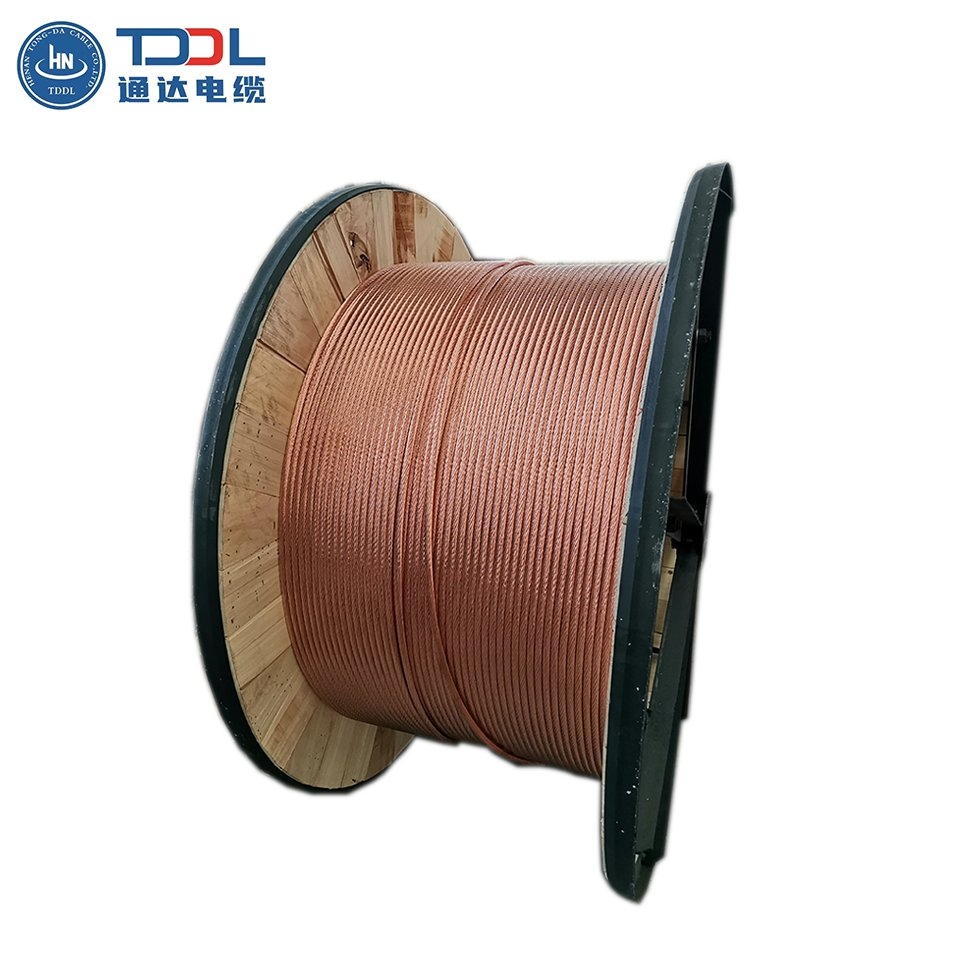
Safe and Quick Ways to Set Up Bare Copper Earth Wire
Proper installation practices directly affect grounding performance. Connections should be secure and corrosion-resistant. This can be achieved using high-quality clamps or exothermic welding methods. Sharp bends should be avoided during installation. Excessive bending may increase resistance or damage the conductor structure. Regular inspections help maintain long-term mechanical integrity.TDDL Cable installation guidelines emphasize safe handling and installation procedures.This helps maintain product quality throughout the entire service life.
Comparison Between Bare Copper Grounding Wire and Other Grounding Conductors in Current Setups
Key Differences Between Bare Copper Earth Wire and Tinned Copper or Aluminum Wires
Tinned copper adds a surface guard against oxidation. However, it is generally more expensive than bare copper.Aluminum conductors are lighter in weight. Yet their electrical conductivity is lower than that of copper. Aluminum offers good electrical conductivity, but lower conductivity than copper. It also provides relatively good thermal conductivity. It also offers reasonable corrosion resistance. But mechanical strength is average. So, aluminum needs bigger sizes for matching results.For long-term reliability, bare copper remains a preferred choice. It maintains stable performance under temperature fluctuations and mechanical stress.These properties help ensure reliable grounding performance throughout the system service life.
Why Experts Often Choose Bare Copper Earth Wire Over Other Options
Electrical professionals prefer bare copper because of its cost-effectiveness and reliable safety performance.It is compatible with grounding rods, bonding conductors, and other grounding components used in various electrical systems.TDDL Cable bare copper grounding wire has demonstrated reliable performance in a wide range of applications. It provides reliable grounding performance in residential buildings, industrial facilities, renewable energy projects, and transportation infrastructure.Its widespread availability also supports efficient project procurement. Its compatibility with other conductive materials also helps reduce connection issues.
This is particularly beneficial in complex grounding system installations.
Green and Money Sides of Bare Copper Earth Wire in Electrical Jobs
Green Gains from Using Bare Copper Earth Wire
Copper’s recyclability makes it a sustainable material for electrical applications. Copper clad steel wire (CCS) blends steel's high pull strength as the core. It adds copper's conductivity as the outer coat. Even after recycling, copper retains its excellent electrical conductivity. At TDDL Cable, we support sustainable sourcing practices. We also encourage the recycling and reuse of materials from existing electrical systems. At TDDL Cable, we support sustainable sourcing practices.It also supports environmentally responsible construction practices and global sustainability goals within the electrical industry.
Long-Term Cost Benefits of Bare Copper Grounding WireThe initial cost of bare copper wire may be higher than that of aluminum or coated steel conductors. However, reduced maintenance requirements can offset the higher initial investment over time. The durability of bare copper helps reduce replacement frequency. This significantly lowers total lifecycle costs. In addition, its reliability helps minimize downtime caused by grounding failures or corrosion-related issues.