

Jul 09, 2026

XLPE vs PE Overhead Insulated Cable: The Ultimate Selection Guide

Share:

What Are the Key Differences Between XLPE and PE Overhead Insulated Cables?

Material Composition and Structural Characteristics

XLPE (cross-linked polyethylene) insulation features a three-dimensional molecular network. This network forms through cross-linking. It boosts thermal and mechanical stability. The structure keeps its integrity under high temperatures and mechanical stress. PE (polyethylene) insulation keeps a linear polymer chain structure instead. That structure gives flexibility and cost efficiency. Yet it limits thermal endurance. The basic composition of overhead insulated cable includes conductor plus insulation. The structural difference between XLPE and PE shapes dielectric strength, heat resistance, and long-term aging performance. These parameters matter when picking materials for insulated utility conductor cables.
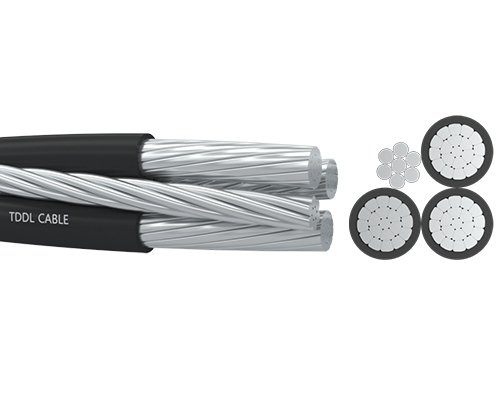
XLPE vs PE Overhead Insulated Cable The Ultimate Selection Guide

Electrical and Thermal Performance Comparison

XLPE insulation handles higher continuous operating temperatures. It reaches up to 90°C. PE stays around 70°C. XLPE shows low dielectric loss. This improves power transmission efficiency in overhead insulated cable systems. PE insulation offers better flexibility at low temperatures. Yet it has limited heat resistance during overloads or long high-load runs. For medium voltage XLPE-insulated cable for safety applications, this thermal edge supports steady operation even under cyclic load changes.

Mechanical Strength and Environmental Durability

Cross-linking bonds in XLPE give strong resistance to deformation. This helps under tension or compression in aerial setups. PE-insulated cables show better impact resistance in cold climates. Their natural elasticity helps here. Both materials need UV stabilization for outdoor use. Ultraviolet radiation can break down polymer chains over time. Our products add weather-resistant additives. These extend service life across many climates for insulated overhead conductor systems.

How Does Each Insulation Type Perform in Overhead Power Distribution Systems?

Performance in Medium Voltage Applications

For example, rated cable 10kV aluminum core light cross-linked polyethylene insulated overhead cable is a single core. Nominal cross section is 95mm2. It is shown as JKLYJ/Q-10 1X95. The product model follows this order. 10kV Overhead Insulated Cable follows GB/T 14049-2008. Medium voltage overhead cable models abroad use SAC (Space Area Cable) and Tree wire. XLPE-insulated conductors lead in medium voltage networks. They offer high dielectric strength and steady performance under varying electrical loads. They stay reliable during transient surges or switching operations. At TDDL cable, we use advanced cross-linking technology. This ensures uniform insulation layers. The layers meet international standards for dielectric integrity across all voltage classes.

Suitability for Low Voltage or Urban Network Applications

Product features and main uses focus on urban streets and green areas. They also cover overhead lines near buildings. These support power supply safety and operation management. For low-voltage distribution networks, especially in urban settings, cost-effective PE insulation aerial cable for urban installations gives practical gains. It reduces weight, eases handling, and lowers installation costs. Non-toxic PE compounds also help ensure safe deployment near residential zones. They cut chemical emissions during installation or disposal.

Environmental Resistance in Outdoor Installations

Both XLPE and PE materials show strong environmental durability when formulated well. XLPE resists damage from sunlight, ozone, and moisture over long periods. PE works well in humid or marine conditions. It gains from added UV stabilizers for long-term outdoor use. By adding enhanced weather-resistant compounds, our long-term PE insulation aerial cable for urban grids supports reliable performance through seasonal shifts.

overhead insulated cable

Which Factors Should Engineers Consider When Selecting Between XLPE and PE?

Electrical Load and Voltage Class Requirements

The choice between XLPE and PE rests mainly on system voltage levels. Medium-voltage circuits usually favor XLPE. It has superior dielectric breakdown resistance. Low-voltage networks gain from the economic efficiency of PE-insulated designs. Engineers must check conductor temperature rise under maximum current loads. This ensures compliance with safety margins set by standards for overhead insulated cable systems.

Installation Environment and Mechanical Constraints

Aerial installations face wind-induced vibration or mechanical tension. They need materials with strong structural resilience. XLPE excels here due to its cross-linked molecular framework. Compact urban grids often need lightweight setups instead. PE insulation simplifies pole loading calculations. It keeps adequate tensile strength for short-span insulated utility conductor cables.

Cost, Maintenance, and Lifecycle Considerations

The initial investment for XLPE-insulated cables runs higher. Complex manufacturing processes involving cross-linking reactions drive this cost. Lifecycle assessments often favor XLPE anyway. It needs less maintenance and lasts longer under demanding conditions. For projects with tight budgets yet no compromise on reliability, cost-effective PE insulation aerial cable for urban deployment remains an optimal alternative.

How Do Safety Standards Influence the Choice of Overhead Insulated Cable?

Compliance with International Electrical Standards

Both insulation types must meet IEC or ASTM standards. These cover electrical performance, flame retardancy, and mechanical integrity. Overhead insulated cables suit overhead power distribution lines of 46kV and below. Our TDDL cable products pass rigorous testing under simulated fault conditions. This verifies dielectric integrity across all operating voltages.

Thermal Stability and Fire Resistance Evaluation

XLPE’s cross-linked molecular structure stops melting even during short-circuit events or overloads. This boosts fire safety in medium voltage XLPE insulated cable for safety applications. Standard PE needs flame-retardant additives or composite layering instead. These help reach similar performance under thermal stress.

Environmental Safety and Non-Toxic Properties

Non-toxic polyethylene formulations cut harmful gas emissions. This applies during installation and end-of-life disposal. It matters in densely populated regions that pursue sustainable grid expansion. Cross-linked compounds in XLPE further lower chemical leaching risks over long exposure cycles.

How Do Emerging Technologies Improve the Performance of Overhead Insulated Cables?

Advances in Cross-Linking Techniques for XLPE Materials

Recent innovations include peroxide-free cross-linking. They improve material purity and reduce residual stresses in the insulation layer. Enhanced curing control creates more uniform dielectric properties along the full conductor length. This extends service life under cyclic heating common in medium-voltage distribution systems.

Development of High-Density Polyethylene Compounds for Aerial Use

High-density polyethylene formulations now deliver higher tensile strength. They keep flexibility intact. This factor counts for aerial spans under wind loading or vibration fatigue. Advanced UV stabilizers in these designs increase durability against sunlight. They also offer cost efficiency for long-term PE insulation aerial cable for urban networks.

Integration of Smart Monitoring Systems into Cable Networks

Modern overhead distribution infrastructure adds embedded sensors. These detect early partial discharge activity or localized heating anomalies in insulated overhead conductor assemblies. The smart systems support predictive maintenance. They cut downtime and optimize asset use across large networks managed by utilities using TDDL cable technologies.

FAQ

Q: Which cable compounds provide the best tradeoff between cost and safety?

A: For overhead insulated cable applications, XLPE offers superior thermal stability suited for safety-critical systems. It incurs higher production costs due to complex processing requirements. Polyethylene provides a more economical solution with sufficient flexibility. It must include flame-retardant additives to reach comparable fire resistance levels.

Q: What makes medium voltage XLPE-insulated cable for safety critical applications reliable?

A: Medium voltage XLPE-insulated cable for safety environments keeps exceptional dielectric integrity even under heavy electrical stress. This cuts risks tied to overheating or breakdowns during peak operational loads.

Q: Why is cost-effective PE insulation aerial cable for urban networks preferred?

A: Cost-effective PE insulation aerial cable for urban projects combines lightweight construction with simplified installation on existing poles. It keeps adequate electrical performance suitable for low-voltage grids limited by space.

Q: How does long-term PE insulation aerial cable for urban deployment support sustainability?

A: Long-term PE insulation aerial cable for urban installations emits no toxic substances during service life or disposal stages. It supports eco-friendly infrastructure initiatives while resisting moisture ingress common in metropolitan climates.

Q: What defines an overhead insulated cable compared with other conductor types?

A: Overhead insulated cable refers to a cable used for power transmission and distribution in power systems. It covers overhead conductors with insulation layers. This protective polymer layer prevents accidental contact with trees or structures. It ensures safe open-air energy transmission through durable insulated utility conductor cables designed by TDDL cable experts.
Related News
XLPE Cable: The Core of Efficient Power Distribution
More
20 / 03
The Differences Between ACS and ACSR Conductors Explained
More
06 / 06
Why PVC Cables Are Transforming Electrical Wiring Standards Today
More
16 / 04