



Oct 16, 2025
Understanding Reel Cables: Essential Power Supply Components for Mining and Tunneling Equipment
.JPG)
Introduction to Reel Cables in Mining and Tunneling
Why Reel Cables Matter
Mining and tunneling sites are environments places that require a steady power to keep maintain operations. Reel cables are a crucial role here. They’re flexible, tough, and safe. These cables power heavy machines like rock drilling rigs. They offer numerous benefits , making them indispensable in the mining and tunneling industry.
Reel cables are designed for easy winding and unwinding. They’re built to withstand rough conditions while ensuring uninterrupted power flow. This means mining and tunneling equipment to operate smoothly even in extremely demanding underground settings.
What Are Reel Cables?
A reel cable is a flexible power cable engineered to be rolled onto a reel for convenient storage and use. In mining and tunneling operations, these cables transmit electricity from the power source to mobile equipment such as rock drilling rigs and tunnel boring machines. They boast high flexibility, adapting to various setups and exceptional durability to endure harsh conditions over an extended period
Why Reel Cables Are Key for Mining and Tunneling Power Systems
Reel cables are vital for power supply systems in mining and tunneling machinery. Here’s why:
Flexibility
Mining and tunneling equipment is in constant motion. Cables need to keep up. Reel cables are highly flexible, allowing for easy unwinding and rewinding without damage. For example, the 3×25+3×6 reel cable has a diameter of approximately 30.1 mm. Its minimum bending radius is 8D, making it easy to adjust to different rig setups.
Durability
These cables can withstand significant wear and tear, enduring extreme heat, freezing temperatures, scratches, and exposure to chemicals like oils. They ensure uninterrupted machine operation. For instance, the 3×50+3×10 reel cable can manage a tensile load of 12,600 N. It works in temperatures from -40°C to 80°C, and even tolerates a long-term maximum temperature of 105°C.
Safety
Selecting the right reel cables reduces the risk of failures, which can lead to downtime or even accidents. These cables stand up to impacts, water, and fire. They meet safety standards. The 3×120+3×25 cable has a flame-retardant polyurethane outer sheath. This keeps it solid even if there’s a fire.
Types of Reel Cables for Mining and Tunneling Equipment
Different reel cables are suited tot different tasks. Each type has its own strengths depending on the operational requirements of mining and tunneling projects.
Flexible Power Cables
These cables are extremely flexible, moving without breaking. That’s perfect for mobile equipment that moves constantly underground. The 3×25+3×6 reel cable, with a conductor structure of 343/0.30 mm, is great for flexibility and movement in underground mining and tunneling operations.
Custom Reel Cables
Sometimes, standard cables may not meet specific needs. Custom reel cables are manufactured to fit the exact requirements of specific underground operations. They account for things such as weather resistance, power demands, and physical stress.
Key Parts of Reel Cables
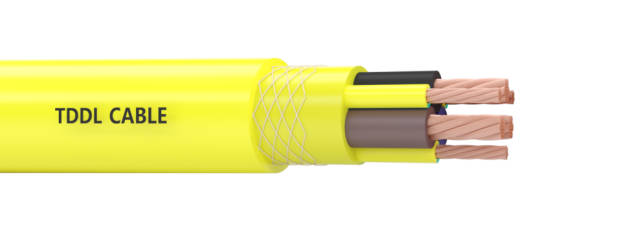
Reel cables consist of several important components that work together to ensure safe and stable power transmission. Understanding these parts helps selecting the right cable for your rig.
Conductors: Materials and Build
Reel cables often use oxygen-free flexible copper for conductors. This material offers excellent electrical conductivity. It keeps power flowing smoothly. For example, the 3×95+3×16 reel cable has a conductor structure of 1295/0.30 mm. It delivers reliable power to the rig while maintaining safety during long-term operation.
Insulation Materials
Insulation prevents electrical problems and ensures safety. Reel cables use flame-retardant and high-temperature resistant special insulating materials to avoid hazards. The 3×120+3×25 reel cable has flame-retardant insulation. It’s great for handling high temperatures and fire risks.
Protective Layers and Sheathing
Reel cables have tough layers, including high-performance elastomer rubber inner sheaths and flame-retardant polyurethane outer sheaths. These protect against scrapes, impacts, chemicals, and extreme weather. The 3×50+3×10 reel cable has an outer sheath built for chemical exposure and physical stress, extending its service life.
How to Pick the Right Reel Cable
Choosing the best reel cable for underground mining or tunneling equipment takes careful consideration, ensuring it matches the challenges of the job.
Voltage Rating and Capacity
The cable’s voltage rating must fit the rig’s power requirements. Cables rated for 0.6/1 kV are common for heavy machines, providing sufficient power while maintaining safety. The 3×25+3×6 reel cable, rated for 0.6/1 kV, works well for smaller underground machines or auxiliary power systems.
Environmental Resistance
Reel cables need to handle harsh conditions, including extreme heat, cold, scrapes, and chemicals like oils or solvents. Selecting cables that resist these is key to avoiding downtime. The 3×95+3×16 reel cable with chemical resistance, is great for harsh mining and tunneling environments.
Durability and Lifespan
Mining and tunneling operations run continuously under heavy loads. A cable’s toughness affects how long it lasts. Cables with high tensile strength and scrape resistance can handle constant movement. The 3×120+3×25 reel cable, with a maximum DC resistance of 0.161 Ω/km and a tensile load of 30,450 N, is built to last in demanding underground applications.
Setting Up and Taking Care of Reel Cables in Mining and Tunneling Applications
Proper setup and care keep reel cables working well for a long time.
Best Ways to Install
When installing reel cables, follow safety rules and use the right tools. Correct installation prevents damage and helps the cable handle daily wear. Make sure the bending radius is correct. Secure the cable to avoid tension or scrapes. For example, the 3×35+3×6 reel cable has a minimum bending radius of 8D, where D is the cable’s outer diameter.
Regular Checks and Maintenance
Check cables often to catch damage early. Look for wear, make sure insulation is solid, and check for electrical issues. Lubricate the reel mechanism and replace worn cables. These steps help extend the service life of reel cables.
Common Problems and Fixes with Reel Cables in Mining and Tunneling
Underground operations present various challenges to reel cables. Knowing the issues and fixes helps keep things running.
Cable Wear in Tough Conditions
The cable sheath is made of high-performance flame-retardant polyurethane, which offers excellent flexibility and environmental resistance. It also provides outstanding low-temperature flexibility, high tensile strength, superior elasticity, abrasion resistance, corrosion resistance, and tear resistance, making it suitable for various harsh working environments.
Safety Issues with Reel Cables
Electrical risks are a big deal. Follow safety steps during setup and use. Make sure cables have intact insulation and avoid subjecting them to excessive stress or damage.
FAQ
Q: What makes a reel cable different from regular power cables used in mining and tunneling equipment?
A: A reel cable is built for winding and unwinding on a reel, unlike regular power cables that stay fixed. It’s high flexibility to handle constant movement on mining and tunneling machines without breaking or fraying. Reel cables also have extra-tough sheathing to fight off dirt, mud, and rough handling, which regular cables might not handle as well in a drilling setup.
Q: Can a reel cable be used for other equipment besides mining and tunneling machines?
A: Yes. Besides drilling rigs, reel cables are extensively employed in mobile power supply and data transmission for various crane systems, bulk material handling equipment, metallurgical installations, hydroelectric facilities, and mining machinery. Its flexibility and tough build make the reel cable perfect for any job where equipment moves a lot and needs reliable power.