



Jan 22, 2026
Top 8 Key Benefits of Using Medium Voltage Cables in Modern Power Systems
1. Excellent Electrical Performance
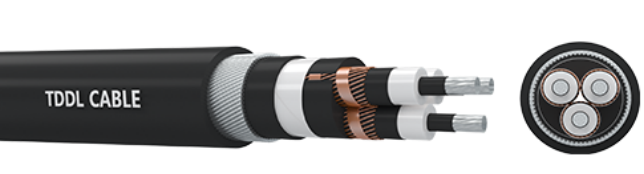
The CU(AL)/XLPE/CWS/SWA/PVC Three Core 6.6~33kV cable gives great electrical performance. This makes it very fitting for medium voltage power sharing. It uses cross linked polyethylene (XLPE) for insulation. That brings solid dielectric strength and small dielectric losses. As a result, the cable works well with electrical flows. It leads to a steadier transfer of power. Plus, it cuts down on energy waste. So, it fits well for factory and business power uses.Moreover, the copper or aluminum conductors offer top-notch current carrying capacity. This improves energy movement. Medium voltage cables help get power to its spot with little waste. That matters a lot for commercial buildings and industrial facilities. There, steady and effective power supply is key.
2. Enhanced System Reliability and Safety
Medium voltage power systems need reliability to avoid shutdowns. This is true in busy places like factories, business spots, and power plants. The CU(AL)/XLPE/CWS/SWA/PVC cable has a tough build. It aids in keeping continuous power flow. Thus, it lowers the chance of electrical problems. The cable includes conductor shields and metallic screens. These handle electrical field pressure. They also stop issues like short circuits or electrical sparks.The insulation and protective coatings on the cable cut safety dangers too. They provide fire resistance, moisture resistance, and high thermal stability. These traits boost safety for the electrical setup and its users. Therefore, the cable works great in factory sites and power sharing networks. There, reliability and safety come first.
3. High Mechanical Strength and Durability
A key trait of the CU(AL)/XLPE/CWS/SWA/PVC Three Core 6.6~33kV cable is its strong mechanical build. It features steel wire armor (SWA) and a PVC outer sheath. These make the cable tough against physical damage, like pressure, pulling, and scraping. Its sturdy setup lets it work well in hard spots. This includes burying underground, placing in pipes, or hanging above.The strong durability suits it for harsh industrial environments. In those areas, outside forces happen often. The armor protects from hits and mechanical strain. So, it cuts the risk of harm and the need for regular fixes. This brings big cost savings on upkeep and swaps.
4. Flexible Installation Options
The CU(AL)/XLPE/CWS/SWA/PVC cable offers much flexibility for setup. It works in many uses, such as underground placement, overhead lines, and spots in pipes or ditches. The design makes it adaptable. Thus, it suits new jobs and for retrofitting or updating old electrical setups.Its skill to fit in varied spots without losing quality is a main plus for power systems. Those systems need bendability. It can go in a residential area, industrial facility, or commercial complex. You can adjust it for almost any power sharing plan. Its ease of installation and versatility matter a lot. They help it blend well into different structure plans.
5. Cost Effective Power Distribution
A big plus of the CU(AL)/XLPE/CWS/SWA/PVC medium voltage cable is its cost-effectiveness. The initial price might top low voltage picks. Yet, it saves money over time. It does this by cutting the need for frequent replacements or repairs. Tough parts like XLPE insulation and steel wire armor last longer. This lowers total upkeep and running costs.Compared to other high voltage setups, the 6.6kV to 33kV voltage range strikes a fine balance between cost and performance. Its strong carrying power meets big power needs without overload. This leads to fewer power breaks and better energy efficiency. So, these cables bring real savings for sectors seeking long-term solutions for power sharing.
6. Resistance to Environmental Stress
The CU(AL)/XLPE/CWS/SWA/PVC Three Core 6.6~33kV cable handles environmental pressures well. It keeps top work even in rough settings. The XLPE insulation fights moisture, temperature changes, and chemical contact. This makes it very trusty for indoor and outdoor setups.Outside, extreme heat, wetness, and sun can harm cable work. But the PVC outer sheath serves as a solid weatherproof barrier. It adds extra guard. Thus, the cable holds its role and steadiness in tough weather. It fits well for substation installations, power plants, and offshore applications.
7. Meets Industry Standards and Compliance
Cables like the CU(AL)/XLPE/CWS/SWA/PVC follow strict international standards. Groups like the IEC (International Electrotechnical Commission) and IEEE (Institute of Electrical and Electronics Engineers) set them. Sticking to these rules means the cables hit needed safety, work, and quality marks.It follows the AS/NZS 1429.1 rule. This makes it a solid choice for many tasks. It deals with power sharing in the 6.6kV to 33kV range. Picking such cables builds trust. Users know they choose a safe, high quality, and compliant fix for power systems.
8. Supports Modern Power Infrastructure
At last, the CU(AL)/XLPE/CWS/SWA/PVC Three Core 6.6~33kV cable fills a key spot in modern power systems. It aids in integration of renewable energy sources. The cable fits smoothly with power networks, solar plants, wind farms, and hydropower plants. Its strong carrying power and steadiness matter for smooth energy send from renewable energy installations to the grid.As renewable sources gain weight, these medium voltage cables back the transition to cleaner energy. They allow easy links from power making sites to the electrical grid. This boosts grid stability. It also aids the worldwide push for green energy systems.
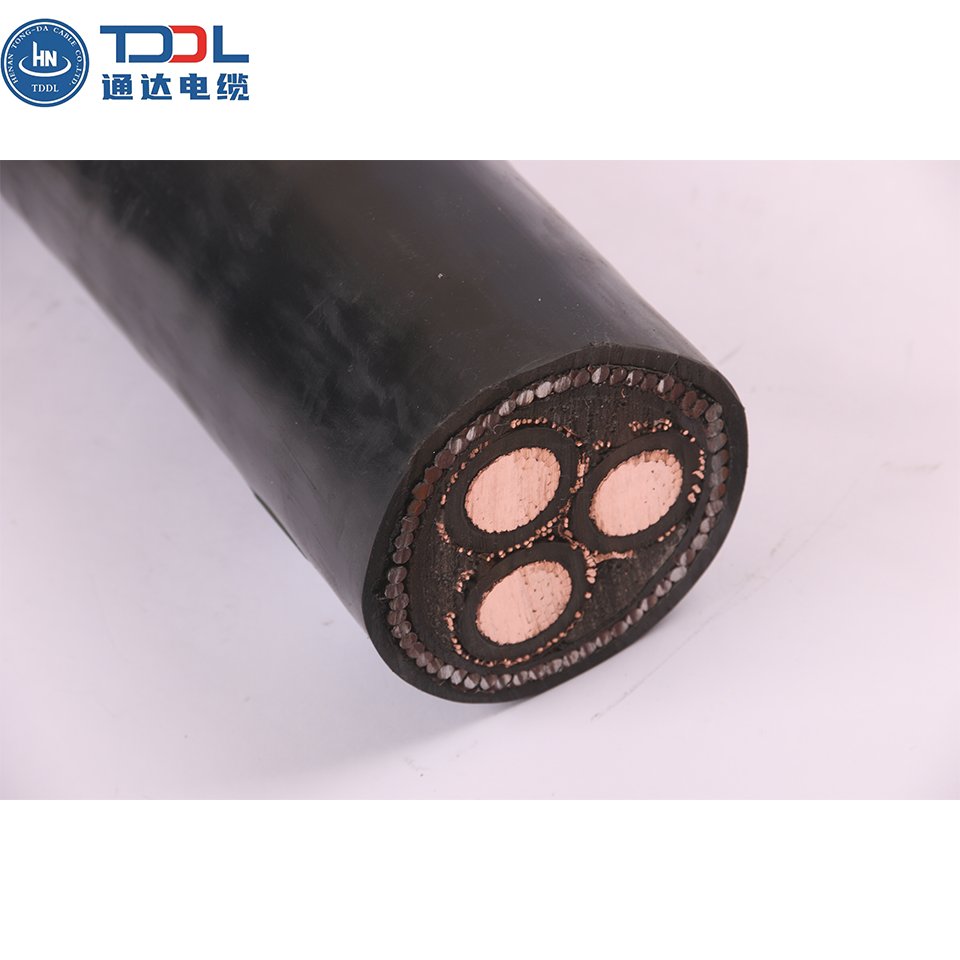
If you plan to update your electrical setup or begin a fresh power sharing job, the CU(AL)/XLPE/CWS/SWA/PVC Three Core 6.6~33kV cable brings the steadiness, toughness, and work you need for smooth and secure power send.
For more details or to get a quote, reach out to us now!