



May 08, 2026
What are the common types of Medium- voltage cable connectors?
Overview of Medium-Voltage Cable Connectors
What Defines a Medium Voltage Cable Connector?
Medium-voltage cable connectors are specialized components designed to terminate, splice, or join cables or systems with a maximum system voltage of 36 kV or lower. They enable safe power transmission. They also keep the insulation strong and the mechanical strength steady. These connectors play a key role in substations, factories, renewable energy installations, and underground power lines.Medium-voltage cables are used in distribution networks. They work well for indoor, tunnel, cable trench, shaft, or direct burial setups. The cable can handle external mechanical forces and some tensile stress. It finds wide use in transformer stations, power plants, and factories.
The Role of Connectors in Power Distribution Systems
Connectors provide robust electrical connections between cables and equipment. They also stop partial discharges that might harm insulation. Moreover, they cut down on electrical waste. They make maintenance, testing, and system growth easier without risking safety. By offering strong mechanical build and electrical insulation under changing loads, they keep the dependability that modern Medium-voltage networks need.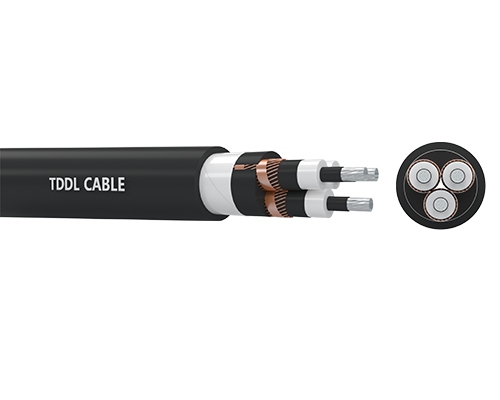
Common Types of Medium-voltage Cable Connectors
Separable Connectors (Elbow and Straight Types)
Separable connectors let users connect and disconnect quickly,facilitating installation, maintenance, and system expansion. Elbow connectors often appear in tight spots like switchgear areas. Straight types suit straight-line paths. Their flexible design aids easy setup choices in factory substations or green energy sites.Heat Shrink and Cold Shrink Terminations
Heat shrink terminations apply heat to shrink insulating material around the cable center for a firm fit. Cold shrink terminations use pre-stretched silicone or EPDM covers. These shrink automatically once the inner core is removed.. Both methods give great protection from the weather and solid electrical insulation. They work for outdoor or indoor spots where water entry needs to be blocked.Slip-on (Push-on) Connectors
Slip-on connectors allow fast fitting without heat tools. They hold steady contact force through the elastic properties of the insulating material. They are preferred in applications requiring frequent connections or flexible configurations, boasting the advantages of simple operation and ease of use.How Do Environmental Conditions Affect Connector Selection?
Factors Influencing Performance in Different Environments
Temperature changes impact material flexibility and electrical insulation. Moisture contact calls for better sealing to avoid tracking or corrosion. Contamination levels affect surface current leaks. Silicone-based stuff often does better in dirty air. Medium‑voltage cables offer excellent electrical and mechanical properties. Minimal dielectric loss, high insulation resistance. These traits from medium voltage cables stress the need for connectors with matching toughness in tough spots.What Installation Practices Ensure Long-Term Reliability?
Good cable prep removes contaminants from surfaces. This avoids uneven stress spread. The right torque on mechanical lugs keeps the contact resistance steady. Routine partial discharge testing can detect insulation defects and electric‑field distortion before catastrophic breakdown occurs.Electrical and Mechanical Considerations in Connector Design
Electrical Stress Control Techniques
Good stress control happens with shaped stress cones. These spread electric fields evenly at the endpoints. Semiconductive layers cut the corona discharge dangers. This matters for keeping insulation strong over time, especially at higher voltages near 36 kV.Mechanical Strength and Shielding Requirements
Strong metal shielding keeps grounding steady and electromagnetic fit in place. Tough outer cases guard against hits, shakes, and weather damage. These issues often occur in heavy industrial areas like transformer stations or tunnels.Emerging Trends in Medium Voltage Cable Connection Technology
Integration with Smart Grid Systems
New connectors include sensors to watch temperature, current, and partial discharge. Real-time data gathering supports advanced maintenance plans. These stop power outages before they start. This feature proves vital for smart grid control.Advancements in Insulation Materials and Design Efficiency
New polymers boost heat resistance. They also have better electrical insulation. Smaller connector shapes cut setup space needs. Yet they hold high reliability levels that grid managers expect today.TDDL cable: Innovation in Medium Voltage Connection Solutions
TDDL cable’s Approach to Connector Engineering Excellence
At TDDL Cable, we build Medium-voltage connectors with care for safety, durability, and ease of installation. Our items use advanced EPDM insulation material. It resists tracking and wears better than traditional formulations.Henan Tong-Da Cable Co., Ltd. is a large-scale comprehensive wire and cable enterprise integrating R&D. This capability enables us to keep improving our lines, including Medium-voltage connection solutions made for world standards like IEC 60502-2.
.jpg)