



Oct 02, 2026
What Is a Bare Conductor? Definition, Construction, and Applications Explained
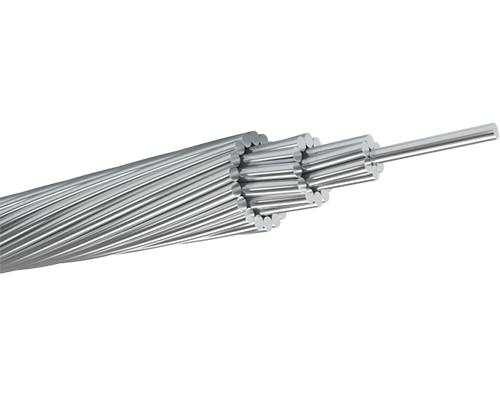
A bare conductor is a metal wire without any covering layer. It does not use PVC, PE, or XLPE like regular power cables. Instead, it depends on air space, support insulators, and proper height to stop stray current. Such a simple design suits overhead lines well, along with power distribution, grounding tasks, and railway supply systems.
This article describes bare conductors, how they are made, the main types, materials used, and the key points that engineers consider when selecting overhead line conductors.
What Is a Bare Conductor and Why Is It Used?
A bare conductor is simply a metal wire or group of wires left open to the air. It has no outer covering. The missing layer gives it a smaller size and lower weight.These conductors go on overhead routes. Insulators keep them away from poles, towers, and other parts. Designers must leave enough space from buildings, trees, roads, and people.
Heat leaves the wire directly into the air. This helps the line carry more current when the design is correct. Still, bare conductors need controlled conditions for height, load, and safety.
An insulated overhead cable has one or more cores plus a covering. Bare conductors suit open routes and long distances. Insulated cables fit better near homes or trees.
How Is Bare Conductor Construction Designed?
Bare conductor construction can be solid or stranded. A solid wire is one single piece. It suits short runs with light stress. Yet it bends less and may not fit long spans.A stranded wire twists several smaller wires together. This gives better flex, easier handling, and stronger resistance to vibration. Most overhead lines use the stranded form.
Each layer follows a set twist direction. Layers next to each other twist the opposite way. The outer layer often uses a right-hand twist. The exact rule follows the chosen standard.
Key build details include nominal area, wire count, wire size, overall diameter, twist direction, weight per meter, DC resistance, and rated strength. These specifications can determine sag, current capacity, working tension, suitable fittings, and resistance to vibration.
Which Bare Conductor Material Is Best for a Project?
Choose the material by electrical needs, mechanical load, site conditions, and cost.Bare copper wire gives high conductivity and good heat handling. It also resists air oxidation and connects easily. The main drawback is weight. Copper adds more load to towers and foundations than aluminum of equal capacity.
Bare aluminum wire is lighter and common on distribution and transmission lines. It carries current well at lower weight. Its strength is lower than steel-reinforced types, so span length and wind or ice load need careful checks.
Aluminum alloy wire raises strength while keeping a good weight-to-conductivity ratio. It helps where extra pull strength or corrosion protection matters. Some alloys need controlled aging to reach final strength and resistance values.
Material choice must also cover operating temperature, short-circuit levels, wind, ice, vibration, corrosion, joint methods, and service life.
What Are the Main Bare Conductor Types?
AAC uses only hard-drawn aluminum wires. It offers solid conductivity and low weight. AAC fits short to medium spans with moderate load.AAAC replaces standard aluminum with alloy wires. It gives higher tensile strength and better corrosion resistance while staying light. AAAC works well on routes that need strength without a heavy steel core.
ACSR pairs aluminum strands with a galvanized steel core. The aluminum carries the current. The steel core supplies strength. This type handles long spans, heavy wind, ice, and tight sag limits.
Some reinforced designs have alloy cores or corrosion-resistant cores. We recommend a pick based on current, strength, span length, and local conditions.
.jpg)
Where Are Bare Conductors Commonly Applied?
Bare conductors appear on transmission lines, sub-transmission routes, utility feeders, railway power lines, and overhead grounding networks.AAC often serves moderate-span distribution where high conductivity and low weight count most. AAAC fits when extra strength or corrosion resistance is needed. ACSR supports long transmission spans because the steel core carries higher mechanical loads.
How Should You Select and Verify a Bare Conductor?
Start with continuous current, rated voltage, maximum temperature, and short-circuit duty. Next, calculate span, sag and tension, wind load, ice load, vibration risk, and support loads.A data sheet for wire rope should include details of type, nominal area, material, number of wires, wire diameter, overall diameter, mass, resistance, breaking load, and tolerance. Also included should be the governing standard for the data sheet and any special corrosion requirements or installation instructions.
At TD Cable, we check structure, material state, finished size, resistance, and mechanical performance during production and inspection. Alloy products receive aging treatment for stable properties. Reinforced conductors keep the core and outer layers concentric and correctly arranged.
Full verification lowers the chance of picking a conductor whose code, size, or strength does not match the hardware and installation plan.