



Apr 24, 2026
XLPE Cable Performance Analysis Compared to Traditional PVC Options
What is XLPE Cable Technology?
What Is XLPE Cable and How It Differs from Traditional Insulation
XLPE, or Cross-Linked Polyethylene, is a modified version of polyethylene. In this material, the molecular chains bond chemically to create a network structure. This cross-linking turns a thermoplastic into a thermoset. As a result, it holds its shape well under high heat and electrical pressure. Manufacturers make cross-linked polyethylene (XLPE) from low-density polyethylene as the base. They mix in various additives. The cross-linking happens through peroxide, silane, or radiation methods. Each method affects the final material's qualities.Unlike regular thermoplastics like PVC (Polyvinyl Chloride), XLPE insulation has a higher temperature rating than PVC. Cross-linked polyethylene materials have better electrical properties than plain polyethylene. Their mechanical properties surpass polyethylene too. So, they see wider use than polyethylene. This structure helps XLPE cables keep their insulation strength in tough conditions.
Common Applications of XLPE Cables in Electrical Systems
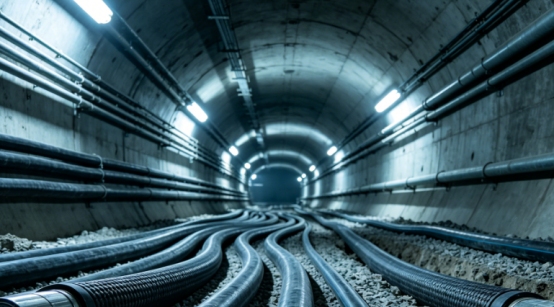
XLPE cables find broad use in power transmission and distribution systems. They shine due to strong dielectric strength and toughness. These cables work well for underground systems, overhead lines, tunnels, and cable trenches. YJLHV42 YJLHY42 XLPE insulated thick round steel wire armored PVC sheathed power cable from TDDL cable suits indoors, tunnels, and cable trenches. YJLHY63 XLPE insulated double steel tape armored PE sheathed power cable can be directly buried. Cross-linked polyethylene insulated thin round steel wire armored PVC sheathed power cable from TDDL cable works here. XLPE insulated double steel tape armored or round steel wire armored power cable from TDDL cable can withstand mechanical forces and certain tensile loads. And so on.In factories, they act as dependable wires for medium-voltage systems. There, heat tolerance matters a lot. In office buildings and homes, their low dielectric losses make them efficient for long runs. Silane cross-linked polyethylene insulation material for overhead cables has some weather resistance on its own. This flexibility across settings makes XLPE cables useful in today's electrical setups.
Material Properties That Distinguish XLPE from PVC
Thermal Resistance and Temperature Rating Differences
A major edge of XLPE over PVC is its better heat resistance. The top long-term conductor temperature is 70℃ for PVC/PE. For XLPE, it reaches 90℃. In short circuits up to five seconds, XLPE allows 250°C. PVC only goes to 160°C. Thus, XLPE cables handle bigger current loads without wear.This strong heat tolerance leads to longer life and steadier performance. The insulation stays firm during ongoing load changes. The cross-linked structure prevents melting and flowing at high temperatures, significantly reducing the risk of thermal deformation of the insulation layer during overload or short circuit.
Electrical Performance Characteristics
XLPE shows stronger dielectric strength than PVC insulation. So, it manages higher voltages with safety. Cross-linked polyethylene materials have superior electrical qualities over polyethylene. Their mechanical qualities beat polyethylene as well. Lower dielectric losses boost energy savings in transmission systems. They reduce heat buildup in the insulation.Plus, the insulation keeps steady electrical work in changing moisture or heat levels. It absorbs little water. These traits make XLPE perfect for dry indoor spots and wet outdoor ones. Stability counts there.
.jpg)
Mechanical and Environmental Advantages of XLPE Cables
Mechanical Strength and Durability Factors
Thermoset XLPE insulation provides better mechanical strength and weather resistance than thermoplastic PVC insulation. Cross-linked polyethylene materials offer better electrical properties than PVC. Their mechanical properties exceed PVC. This gives stronger defense against physical strain in setup or bending.Due to this sturdiness, XLPE cables endure big outside forces. They avoid breaks or bends under pressure or heat. Cross-linked polyethylene insulated non-magnetic metal wire armored PVC sheathed power cable YJLHY72 from TDDL cable handles some mechanical outside forces. YJLHY62 can do the same.Steel tape armored cables resist pressure; steel wire armored cables resist tension.
Environmental Resistance Properties
Environmental toughness is another big plus. Silane cross-linked polyethylene insulation material for overhead cables has inherent weather resistance. Adding carbon black boosts UV protection. So, they last against long sun exposure in outdoor spots.Also, their outstanding waterproof performance stops moisture failures. That's a usual problem with standard materials. These features cut upkeep needs. They stretch work life in rough spots too.
Safety and Reliability Considerations in Cable Selection
Fire Resistance and Smoke Emission Characteristics
Fire safety is key in picking insulation. Both PVC and XLPE can get flame-retardant additives. Yet, halogen-free XLPE types give clear safety gains. They make little smoke and bad gases in fires. Flame retardant code can be added before the model: ZA-, ZB-, ZC-; halogen-free can be added with (WD)ZA-, (WD)ZB-, (WD)ZC- or WDZB1-, WDZB2. These types suit crowded places like hospitals or transit spots. Safety for people comes first there.PVC makes thicker smoke with harmful halogens when it burns. That adds risks to folks and gear.
Long-Term Reliability Under Electrical Stress
The linking in XLPE stops slow insulation wear from ongoing electrical strain. It fights partial discharges that harm other insulators over time. High-voltage systems gain from steady work in changing loads. No early breakdowns occur.Peroxide chemical cross-linked polyethylene insulation material mainly used in the insulation layer of medium voltage cables. This shows how managed linking keeps dielectric strength in hard work conditions.
Economic and Operational Benefits of Using XLPE Cables
Cost Efficiency Over the Cable Lifecycle
Upfront costs for XLPE might run a bit higher than PVC ones. But over the full life, economics lean toward XLPE. It needs less upkeep and lasts longer. The longer run cuts how often you replace them. It also drops downtime from fixes or breaks.Moreover, better steadiness means fewer system halts. That's vital for power companies running big networks. Continuity matters there.
Energy Efficiency Contributions in Power Systems
Energy gains come from lower dielectric losses in XLPE insulation versus PVC kinds. This cuts inner heating. So, less energy wastes in sending power. Over years, these cuts add up to better system efficiency. That holds true in big grids with high voltages running nonstop.By holding steady work across heat shifts without losing conductivity or safety, XLPE cable technology aids green energy goals in current electrical systems.
Emerging Trends and Innovations in XLPE Cable Development
Advances in Cross-Linking Techniques and Material Formulations
New developments target better cross-linking ways. Peroxide chemical cross-linked polyethylene insulation material is mainly used in the insulation layer of medium- voltage cables; silane cross-linked polyethylene insulation material mainly used in the insulation layer of low-voltage power cables. Studies push for green making processes. They cut emissions and boost reuse. That's a rising focus with worldwide green aims.Integration with Modern Power Infrastructure Needs
As renewable energy grows worldwide, xlpe cable designs change to fit. They meet new grid needs like solar fields or sea wind setups. Those require tough, weather-proof wires. They must handle moving stresses for decades.In smart grids with live tracking tech, advanced xlpe systems allow exact control. They use built-in sensors to spot issues early. This ensures safer runs in growing complex networks. These support digital energy systems.
.jpg)