



Jul 30, 2026
Contact Wire Sizes and Specifications: How to Choose the Right Wire for Railway Projects
What Are the Key Factors That Determine Contact Wire Sizes in Railway Electrification?
The Role of Electrical Load and Current Capacity
The choice of contact wire size in railway electrification mainly relies on current-carrying capacity. Faster trains and heavier loads call for bigger cross-sectional areas. This helps deliver power without waste. The contact wire cross-section shapes both current flow and heat release. System voltage and AC or DC operation also guide wire dimensions. Higher voltages often allow smaller conductors for the same power. Phase conductor: Aluminum, class 2, circular compacted conductors. This setup shows how conductor design shapes current density and steady performance in various railway networks.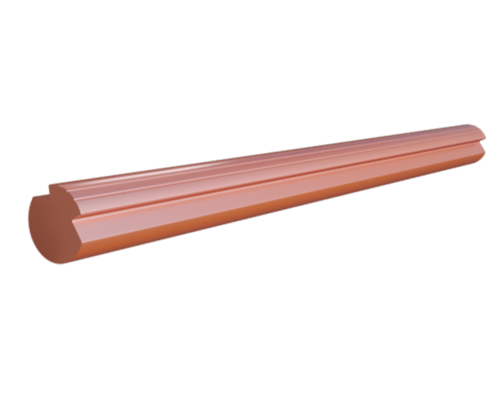
Mechanical Strength and Tension Requirements
Mechanical stress also shapes contact wire sizes. Contact wires face constant rubbing from pantographs at high speeds. They must keep their shape. Tensile strength and elasticity help hold steady tension under moving loads. Wind, temperature shifts, and vibration affect material choice and design. Messenger conductor: Stranded galvanized steel wires. This build gives strong support to overhead lines and keeps the contact wire steady in tough weather.
Material Composition and Conductivity Considerations
Copper stays the main choice for railway contact wire size. It offers top conductivity and long life. Copper alloys often add wear resistance while keeping good electrical flow. Alloy elements raise hardness and hold low resistance. The three phases sit around a messenger. The messenger uses a steel core of 50 mm² and carries insulation 1.2mm thick. This mix shows how different materials can improve both flow and strength in rail systems.How to Interpret Contact Wire Specifications for Railway Projects
Understanding the Contact Wire Cross Section
The contact wire cross section sets electrical output and heat control. A bigger area lowers resistance. It lets more current pass with less loss. Common railway contact wire sizes fall between 65 mm² and 150 mm². The exact size depends on voltage and service needs. Engineers seek a balance that gives enough flow while keeping weight low to avoid sag or tension drop.Reading a Contact Wire Size Chart Accurately
A contact wire size chart gives key data for design work. It lists size, weight per meter, resistance, strength, and safe limits. Engineers match these numbers to expected loads. This ensures the wire meets traction needs. Comparing sizes across regions also checks compliance with global overhead rules.Standardization in Overhead Contact Wire Sizes
Standard sizes ease maintenance. They allow parts to swap across networks. Global rules set tight limits on overhead contact wire size. This supports uniform build quality everywhere. The galvanized stranded steel wire must meet a minimum break load of 64700 N. These checks confirm safe tension and operation..jpg)