



Jul 24, 2026
Building Wire Selection Guide for Commercial Projects: Types, Sizes, Standards, and RFQ Checklist
Key Factors to Consider When Selecting Building Wire for Commercial Projects
Evaluating Project Requirements and Electrical Load
When selecting building wires for commercial projects, engineers shall first calculate the total electrical load, together with operating voltage and circuit configuration. This step makes sure the chosen electrical building wire handles the needed ampacity. It avoids overheating and cuts energy loss. Ambient temperature, humidity and chemical exposure will impact material performance. For corrosive or high-temperature environments, heat-resistant insulation guarantees safe long-term operation. Copper delivers superior performance, with electrical conductivity second only to silver and thermal conductivity ranking below gold and silver. It resists rust, stays non-magnetic, bends well, and joins easily. These traits make copper a top pick for building wire cable work that needs steady results over time. Aluminum conductors work when teams want less weight or lower cost.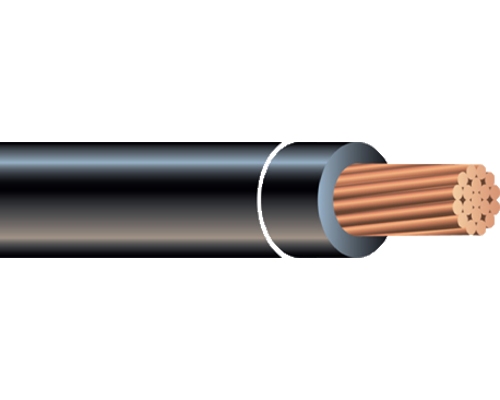
Compliance with Local and International Standards
Global standards including NEC, IEC and UL specify strict performance requirements for all commercial building wires.Specifications cover insulation thickness, flame resistance, rated voltage and mechanical strength testing criteria. All TDDL Cable products fully comply with above standards to maintain consistent quality for global markets. Papers that show the certification marks must come with every order.Balancing Performance, Cost, and Longevity
Performance and cost often decide how well large electrical jobs turn out. Copper conductors give strong flow but cost more than aluminum choices. Aluminum alloys add strength to the base metal, yet their flow remains weaker than pure aluminum. Design teams shall conduct full life-cycle cost analysis, covering raw material expense, maintenance fees and long-term energy savings. Insulation that ages well keeps circuits steady under long loads.What Are the Main Types of Building Wire Used in Commercial Applications?
Common Building Wire Types and Their Characteristics
Knowing building wire types helps engineers match the right option to each setting.- THHN/THWN building wire: Works in dry and wet environments with strong heat resistance
- XHHW wire: Uses thicker insulation for tough industrial spots.
- Fire-resistant cables: Keep power on during fires.
Choosing Between Solid and Stranded Conductors
Solid conductors suit fixed runs. They stay stiff and show low resistance on short lengths. Stranded conductors bend more easily. This helps when pulling wire through conduits or tight paths. The conductor strands sit in tight layers with bare copper or copper alloy wire. This build adds bend without loss of conductivity. Modern commercial systems need this trait often.Specialty Building Wires for Specific Applications
Specialized LSZH (Low Smoke Zero Halogen) cables minimize toxic smoke emission during fire incidents.They fit closed public areas such as airports or hospitals. Shielded building wire blocks interference near sensitive gear in data rooms. Our cable line offers custom versions. These versions use advanced insulation or unique builds for high-demand commercial work.How to Determine the Appropriate Building Wire Size?
Factors Influencing Wire Sizing Decisions
Wire size starts with ampacity needs. It also covers voltage drop and heat correction. Ampacity sets the smallest conductor area that carries power safely. Voltage drop checks keep power delivery steady on long runs in big buildings.Using Standardized Sizing Charts and Calculations
NEC tables or IEC charts give trusted size guides. Engineers apply derate factors when wires share a conduit. Mutual heat accumulation lowers actual ampacity. Software tools can check manual math by modeling real loads.Consequences of Incorrect Wire Sizing in Commercial Systems
Small wires can overheat. They wear insulation fast and raise the fire risk due to their high resistance. Large wires add needless cost with no gain in results. Right-sizing keeps systems safe and cuts extra material use. This forms a core rule in solid electrical design..jpg)