



Jan 09, 2026
Inside a Building Wire Factory: Single-Core Manufacturing Process, Materials, and Quality Control
Single-core building wires are basic parts in today’s electrical systems. They carry current inside homes, offices, and factories. People use them for power circuits, lighting, and control systems. They work in indoor conduits or protected outdoor setups. Their simple design hides the careful technology and material science behind them.
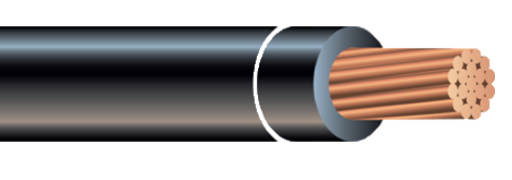
This article looks closely at how single-core building wires are produced. It covers each step from raw materials to the final product. It also explains quality checks, material choices, and the need to follow international standards. All this ensures safe and reliable electrical work.
The Single-Core Manufacturing Process: From Raw Materials to Finished Wire
Making a single-core building wire starts with the conductor. Most often, it is copper. Copper offers great electrical conductivity and strength. It can be solid for stiffness or stranded for flexibility. Stranded conductors come from twisting several copper strands together. This makes the wire easier to bend and route through conduits.Next, the conductor gets insulation. Workers feed it into an extrusion machine. There, molten PVC coats the wire evenly. Makers control this step carefully. They make sure the insulation thickness matches the design. It must stick well to the conductor.
After extrusion, the wire must handle certain voltage levels. Common ratings are 300/500V or 450/750V. It also needs to withstand heat, usually 70°C to 90°C for PVC. These features help the wire work reliably in tough conditions.
The last steps include cooling and measuring diameter. Then comes spark testing for insulation flaws. Workers coil the wire into standard lengths, often 100 meters. Finally, they package it. Every stage is recorded and checked. This keeps quality steady across batches.
Quality Control in Building Wire Production
Quality checks happen at every stage. It starts with careful testing of raw materials. Copper purity matters a lot. So does the PVC mix. Copper must meet conductivity rules. It should have no impurities that could cause problems or overheating.During production, modern equipment tests physical and electrical traits. These tests cover resistance, tensile strength, and elongation. Resistance checks conductor efficiency. Tensile tests confirm mechanical strength. Elongation tests show flexibility.
Insulation faces tests under different stresses. Makers check resistance to moisture, chemicals, abrasion, and extreme temperatures. Only after passing inspection can semi-finished products move forward. This rule ensures faulty items do not continue.
Final checks include spark testing for insulation holes. Workers also do visual checks for surface issues. They measure dimensions to meet tolerances. Companies keep records for each batch. This helps with recalls or audits if needed.
Materials Used in Single-Core Building Wires
Material choices greatly affect how well the wire works and how long it lasts. Copper stays the top pick for conductors. It conducts electricity well. It is strong and resists corrosion. Solid copper suits places needing rigidity. Stranded copper fits where flexibility and easy installation matter.The usual insulation is PVC (Polyvinyl Chloride). It guards against electrical leaks, mechanical damage, and environmental risks like humidity or chemicals. Additives can make PVC more flame-resistant or UV-resistant for outdoor use.
For safety and easy identification, wires have color codes. Red often marks live wires. Black or blue shows neutral. Green/yellow indicates earth. This helps during installation or repairs.
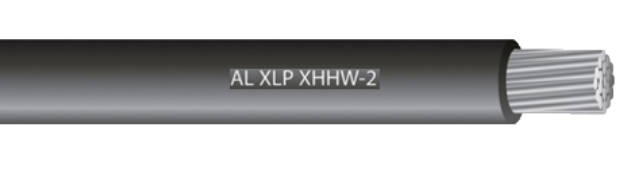
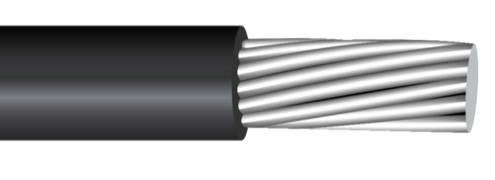
Material quality shapes key features. These include current capacity, aging resistance, and insulation strength. Aluminum alloy monofilaments need to be aged, and XLPE insulation must be qualified for thermal extension before circulation. While this applies more specifically to aluminum-based cables, it underscores the critical nature of material validation in wire production.
Meeting Global Standards and Certifications
Building wires must follow strict international rules. These set safety limits, performance levels, and test methods. Common standards include IEC 60227 for PVC-insulated cables and BS 6004 for low-voltage fixed wiring.Meeting these standards requires thorough type testing in approved labs. Factories also face audits from certification bodies. Tests cover dielectric strength, heat endurance, flame spread, and mechanical behavior under load.
Certification means the wire works safely in many conditions. These range from humid tropics to cold areas, and from homes to factories.
Good building wire manufacturers like TDDL cable keep improving equipment and training staff. They stay current with changing rules. Certification also opens doors to markets that demand approved products.
The process of electricity being transmitted from the power station to the user relies on safe conductors that meet these global norms. While this phrase originates from overhead transmission contexts, its importance extends into internal wiring systems where user safety is equally critical.
Choosing high-grade copper and proper PVC ensures smooth current flow and toughness against the environment. Quality control is strict throughout. It uses advanced tools and standard methods.
Following global certifications guarantees safety. It also helps sell wires worldwide. Makers who stick to these standards help build reliable electrical systems everywhere.