



Oct 22, 2026
Overhead Ground Wire: Types, Functions, and Selection for Transmission Lines
The overhead ground wire is normally placed above the phase wires of a transmission line. The majority of lightning strokes strike the ground wire first and then flow down the tower to ground. In this way, the number of flashovers to the phase wires can be kept low to prevent damage to the equipment. Choosing the correct wire configuration is not a matter of just choosing a suitable wire. All factors such as shielding, maximum fault current, mass per unit length, tension, corrosion attack, groundability of towers, and possible signal transmission have to be taken into account.
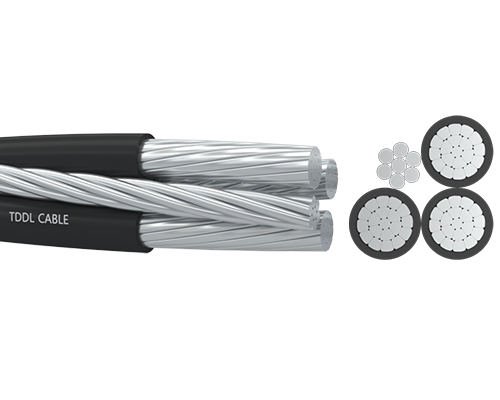
What does an overhead ground wire do on a transmission line?
The ground wire, or overhead earth wire or shield wire, is usually placed on top of a tower. Most lightning strokes hit the ground wire instead of one of the phase conductors. The current then flows along the wire and via wire bonds on the tower to the grounding electrodes. In this way, the probability of a direct stroke to a phase is decreased but not eliminated since backflashover can still occur due to high tower footing resistance or high lightning current.A steady and reliable connection of a structure is required. The wire can also be used as a path for currents induced by nearby conductors or for fault currents as long as the electrical as well as thermal loading matches the design of the system grounding. The shielding angle, the tower shape, the line voltage, and the local terrain as well as lightning data determine if one ground wire or several ground wires are required. A fixed rule must not replace an insulation and lightning study specific to the project.
Which overhead ground wire types are used for transmission lines?
Galvanized steel ground wire is commonly used for general-purpose transmission line shielding. Steel wire is formed into a strand and coated with zinc to combat corrosion. The wire strand provides mechanical strength to the wire, which is run exposed for long periods or supported by towers. However, the conductivity of steel wire is less than that of many composite types and must therefore be checked for fault duty and line design.Aluminum-clad steel ground wire is a steel core wire that is covered with aluminum to improve the wire’s electrical characteristics and corrosion protection over standard galvanized steel ground wire. Aluminum-clad steel ground wire is used in instances where additional strength is required to meet the design requirements of a project or where corrosion from salt air, industrial debris, long spans, etc. is a concern. The strand and covering must be designed to meet the specific requirements of a job and the project standards.
The Optical Ground Wire (OPGW) is a shield wire containing optical fibers in a metallic cable. It can be used for utility communications as an alternative to a conventional overhead shield wire. The optical fibers must be protected against crush, moisture, tensile force, and temperature. The number and position of splice points, as well as the number of fibers, have to be coordinated with the electrical and mechanical requirements of the utility.
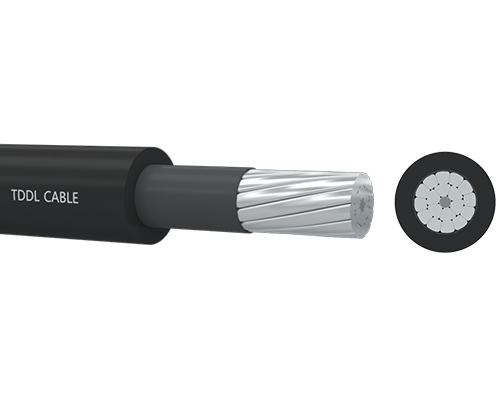
How should engineers select a ground wire specification?
Which electrical and lightning factors determine ground wire selection?
Create a line study for expected lightning strikes, required shielding, fault current, length of fault, and grounding information at each tower. While selecting a ground wire based on diameter is sufficient for most people, remember that it must also handle thermal load. Determine the worst fault current expected at each substation, line end, and along the line route.How should ground wire mechanical loads be checked?
A review of the rated tensile strength, span length, sag-tension, wind/ice loads, and vibration for ground wire fittings was also conducted. The weight and tension of ground wire must not exceed design tower loading and cable clearances to nearby phase conductors. For OPGW, check the pulling limits for installation, fiber loss, fiber count, splice access, and future maintenance access.Which ground wire material suits the environment and applicable standards?
Select an appropriate construction method for the designated site and governing standards. For normal exposure conditions, galvanized steel may be used, but coating and expected life must be sufficient. Aluminum-clad steel construction is more suited to extremely corrosive coastal/industrial environments or for long-span structures. Check for corrosion of soil and air, adequate clamping, adequate coating condition, inspection access, and replacement strategies. These must be clearly detailed within the project specification, referencing relevant standards, test requirements, coating or cladding details and acceptance criteria.How should ground wire connections and inspections be specified?
The connections for the ground wire must be fully described. The fit of the wire to the clamp must be checked against the strand diameter and wire material. All joints must provide continuity. The dead end hardware must be matched to the design tension. During inspection, look for broken wire, wire coating damage, wire corrosion at hardware, loose wire bonds, and wire vibration wear. The result must provide a low impedance path for the duration of the line life.When should a project choose OPGW instead of a conventional ground wire?
OPGW can be used for overhead shielding and fiber routing as required. However, the use of OPGW adds significant complexity to the fiber design, splicing, and optical testing when compared to a simple ground wire such as galvanized or aluminum-clad steel. The additional complexity of OPGW must be weighed against the life cycle requirements of the line, including outages, fiber capacity, structural loading and repair issues.We review the conductor construction, mechanical strength, and the electrical characteristics of the conductors required for TD Cable. A variety of bare conductors are available, including galvanized steel strand and aluminum-clad steel strand types. The conductors are selected from these varieties on the basis of the utility drawings, fault duty, site conditions, and relevant specifications.
Related line components can be found under our bare conductor products or in our project cases. Alternatively, please contact our technical department with the required line information and environmental data.