



Oct 16, 2026
PVC Cable Insulation vs PVC Sheath: Differences in Function, Material, and Cable Selection
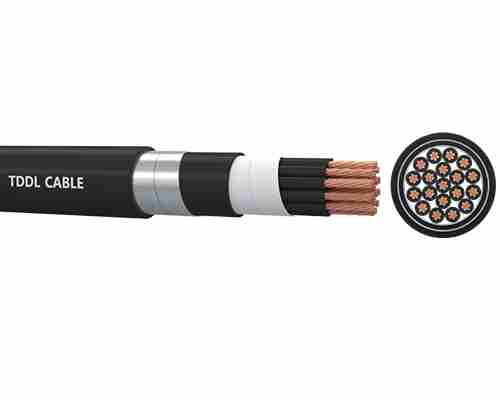
A PVC based cable may incorporate one or multiple PVC layers, each performing distinct functions. Insulation directly surrounds individual conductors and provides electrical isolation. A sheath (outer sheath) encloses the assembled cable cores and shields the cable from external environmental hazards. This distinction is critical when specifying rated voltage, installation conditions and mechanical damage resistance. The presence of a robust outer sheath alone does not guarantee suitability of core level insulation for the application.
What Does PVC Cable Insulation Do Around Each Conductor?
PVC wire insulation is extruded directly onto a conductor. Its primary function is electrical separation: preventing electrical contact between adjacent conductors, accessible surfaces and earth under the cable’s rated operating conditions. Its wall thickness, dielectric performance, temperature rating and physical integrity shall comply with applicable cable standards. Core identification colour coding does not serve as proof of voltage rating.Polyvinyl Chloride Wire Insulation and Core Separation
For multi core cables, every live conductor is individually insulated prior to cabling. PVC insulation is a thermoplastic compound formulated from PVC resin and functional additives. The compound must retain stable electrical properties while withstanding manufacturing processing, bending and service operating temperatures. For the H05VV F cable construction, both individual core insulation and overall outer sheath use PVC compounds. Although belonging to the same polymer family, these two layers fulfil non interchangeable functions.When Is a PVC Insulated Cable Unsheathed?
Single core building wires may feature PVC insulation without an overall sheath, where the approved wiring method provides sufficient enclosure and mechanical protection. The H07V series is classified as PVC insulated, non sheathed single core cable for fixed wiring per IEC 60227. Do not justify exposed cable routing merely based on visually thick insulation. Always verify installation rules and local electrical codes.What Does a PVC Cable Sheath Protect?
The PVC cable sheath forms the outermost boundary of a finished cable assembly. It holds insulated cores together and delivers barrier protection against routine handling, abrasion and defined environmental exposures. A PVC sheath cannot replace the dielectric insulation applied at conductor level. Even if core insulation passes electrical testing, a breached sheath may allow moisture ingress and expose internal components; prompt inspection is required upon sheath damage.PVC Sheath Performance During Installation
A PVC sheathed cable shall withstand specified pulling forces, bending radii and routing conditions. For low voltage armoured power cables, an inner sheath is applied over cabled cores; metallic armour delivers supplementary mechanical protection, and an outer PVC sheath covers the complete assembly. In the NYBY cable design, PVC insulation is combined with an inner PVC sheath, steel tape armour and an outer PVC sheath. Armour is an independent protective layer and shall never be regarded as a substitute for intact sheathing.Additional Protection Requirements for PVC Sheathed Cables
Standard grade sheath material resists general wear, but does not inherently qualify the cable for direct burial, permanent water immersion, oil contact, UV sunlight exposure or repeated flexing. Such performance attributes depend on the exact polymer compound and full cable construction. Always reference the product’s declared application scope, and confirm whether conduit, armour or supplementary protective measures are required for the installation route.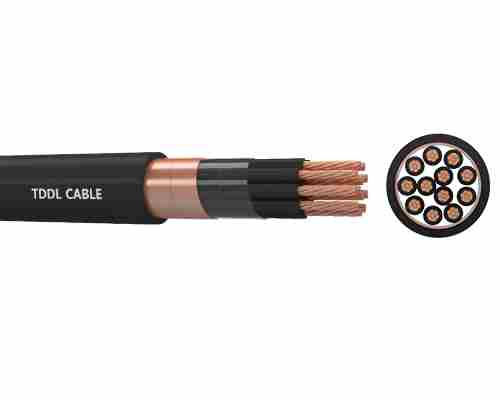
How Do PVC Insulation and Sheath Materials Differ?
Both layers can adopt polyvinyl chloride (PVC) formulations, yet compounding priorities differ significantly.- Insulation material focuses on dielectric strength, insulation resistance and rated conductor operating temperature.
- Sheath material prioritizes mechanical toughness, abrasion resistance, flexibility and environmental exposure resistance.
Modifiers including plasticizers, thermal stabilizers, fillers and pigments shift material performance balance. The generic label “PVC” provides insufficient information to judge actual compound performance.
Cable constructions are not limited to PVC insulation or PVC sheath combinations. Medium voltage cables frequently adopt cross linked polyethylene (XLPE) insulation paired with a PVC outer sheath. This example demonstrates that a visible PVC outer layer cannot be taken as evidence that core insulation is PVC. Overhead covered conductors may also feature a PVC covering without a multi core overall sheath. Always review full layer by layer construction rather than inferring properties from external appearance.
How Should You Select a PVC Cable for Its Installation?
Start with circuit parameters: rated voltage, conductor cross section, core count, operating temperature and applicable governing standard. Next evaluate installation routing: indoor / outdoor deployment, fixed or flexible service, tray / conduit installation, buried or exposed laying, plus potential exposure to water, sunlight, chemicals and mechanical impact. This workflow prevents the risk of selecting a cable with durable looking outer sheath but electrically unsuitable core insulation.Match PVC Wire Insulation to Electrical Service Conditions
Verify rated voltage and temperature marking, conductor material, insulation thickness and compliance with relevant test requirements. H05VV F is a 300/500 V PVC insulated, PVC sheathed flexible cord and shall not be generalized for all fixed power circuit applications. Where operating temperature or system voltage exceeds the limits of the selected PVC insulation, specify alternative properly rated cable constructions rather than relying on heavier duty sheath.Match PVC Cable Sheathing to the Installation Route
Check specified sheath compound, overall outer diameter, minimum bending radius and supplementary installation protection requirements. The NYBY low voltage power cable incorporates armour to satisfy mechanical load demands for suitable indoor, tunnel and underground routes. Installation details including cable joints, cable glands, water sealing and pulling tension must still be properly managed. For other cable families, compare full product specifications against project requirements rather than relying only on the term “PVC sheathed”.Common Labelling Misleading Risks Causing Selection Errors
“PVC insulated” describes the conductor covering, while “PVC sheathed” describes an overall layer; either phrase may appear without the other. A product code or datasheet should identify each material in order from the conductor outward. Do not assume a black outer surface implies UV approval, that armour makes insulation optional, or that a sheath repairs a damaged core. When comparing candidates, request a cross-section, rated voltage, standard, layer materials, and installation limitations.“PVC insulated” describes the conductor level covering, while “PVC sheathed” refers to the overall outer layer; either designation can appear independently on product documentation. Product codes and datasheets shall list materials sequentially from conductor outwards.
Do not make these assumptions:
1. Black outer surface guarantees UV resistance;
2. Armour eliminates requirements for sound insulation;
3. Damaged core insulation can be remedied by intact sheath.
When comparing cable candidates, request cross section drawings, rated voltage, referenced standards, layer material specifications and installation limitations.
At TDDL Cable, we specify cable constructions layer by layer to help buyers distinguish electrical insulation from environmental protection sheath. A practical selection rule: specify core insulation for circuit electrical requirements; specify sheath and armour for installation route conditions; finally confirm full cable assembly approval for target service application.