



Nov 27, 2025
THHN vs THWN Building Wire: What’s the Difference and Which One Should You Choose?
What Are THHN and THWN Building Wires?
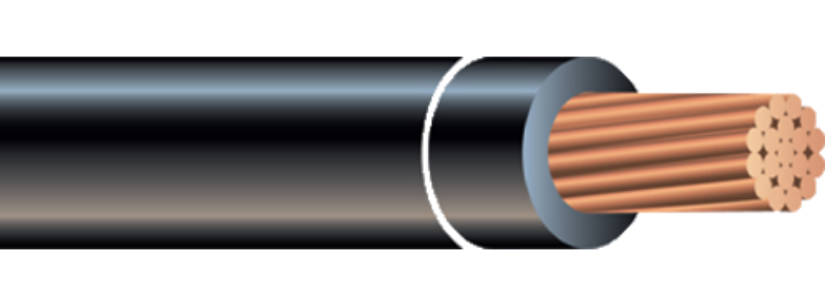
When people start looking into what is building wire, THHN and THWN show up almost immediately. These two models have been around job sites for decades. Electricians use them every single day, and suppliers keep them in stock because they work in most residential, commercial, and light-industrial settings.At first glance, THHN and THWN look almost the same. They have the same copper or aluminum conductor, same PVC insulation and same nylon jacket.
If you just check the outside, you can’t tell them apart easily. Most people wouldn’t know why one is only for dry conduit while the other can handle a damp basement or outdoor run.
But put them to work, and the difference shows fast—especially when heat, condensation, or buried conduit comes into play.
Another thing that adds to the confusion is the dual-rated versions. Many modern wires come stamped as THHN/THWN, so buyers assume everything works everywhere. That’s not wrong—but not exactly right either. The differences still matter depending on the installation.
The breakdown below goes through each wire type in a practical, real-world way instead of just repeating catalog descriptions.
What Is THHN Building Wire?
THHN, 600V, Thermoplastic insulation Nylon sheath,90°C dry. It’s the type most electricians reach for when they’re wiring dry indoor spaces. Straightforward, cost-effective, predictable. It also features long-term insulation resistance in water at 90°C.Basic Structure
THHN wire uses:- Copper, copper-clad aluminum or aluminum conductor
- PVC insulation
- Nylon sheath
- 600V rating
Where THHN Is Typically Used
THHN works well in:- dry indoor areas
- electrical conduits
- control panels
- distribution boards
- light commercial wiring
What Is THWN Building Wire?
THWN ,600V, Thermoplastic insulation Nylon sheath,75°C dry or wet. THWN and THHN share identical construction and materials, but differ in maximum operating temperature and environmental suitability. They can be used in damp environments, with quality control ensured through the following indicators:- Short-term insulation resistance at elevated temperature in water
- 75 °C Long-term insulation resistance in water
- Capacitance and relative permittivity of wet rated (″W″ type) wires
Structure and Material
Structurally, THWN looks much like THHN:- Copper, copper-clad aluminum or aluminum conductor
- PVC insulation
- Nylon sheath
- 600V rating
Where THWN Is Typically Used
THWN is suited for:- wet or damp indoor areas
- outdoor conduit runs
- underground raceways
- industrial areas with regular wash-downs or steam
Key Differences Between THHN and THWN/THWN-2 Building Wire
Even though they share many components, the differences matter. A lot.Moisture Resistance
- THHN: rated for dry locations only. Moisture can speed up insulation breakdown.
- THWN/THWN-2: designed to work safely in wet and damp locations.
Temperature Rating
- THHN: up to 90°C in dry conditions
- THWN: typically 75°C dry or wet
- THWN-2: typically 90°C dry or wet
Application Suitability
- THHN: indoor, climate-controlled buildings, dry conduits, panels
- THWN/THWN-2: outdoor circuits, buried conduits, basement pump rooms, areas prone to condensation
THHN/THWN/THWN-2
The structure is basically the same, but the usage environment is different:
THHN and THWN/THWN-2 are both thermoplastic building wires with a copper or aluminum conductor, PVC insulation, and a nylon jacket—PVC Insulation, Nylon Jacket, 600 Volts. They look alike, feel alike, and behave similarly in some situations.
But one difference matters more than anything else:
- THHN is for dry locations only
- THWN/THWN-2 can be used in both dry and wet locations
Choosing the right wire from TDDL cable avoids expensive callbacks and keeps electrical systems running safely for years.