


Dec 18, 2025
What Is PVC Cable? Properties, Uses, and Key Specifications Explained
PVC cable is one of those materials people in electrical work eventually stop noticing—because it's almost everywhere. Houses, small shops, some factory floors, those renovation jobs where someone forgot to order the right conduit size. PVC usually ends up being the “it'll do” cable. Not because it's perfect, but because it behaves predictably.
What Exactly Is PVC Cable?
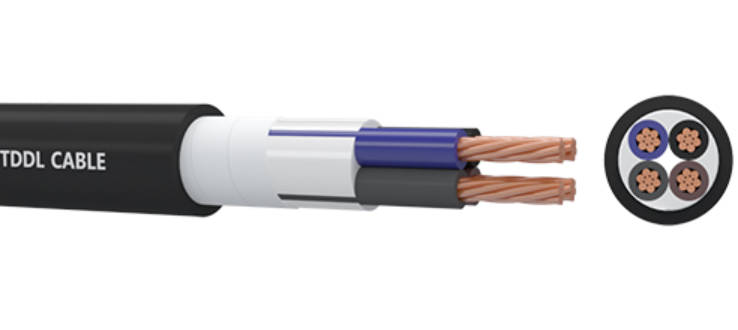
A PVC cable from TDDL cable is basically a conductor—copper or aluminum—wrapped in PVC insulation. Sometimes it gets a PVC outer sheath too. Like giving it a raincoat. PVC compounds aren’t just resin; manufacturers mix in plasticizers, stabilizers, fillers, lubricants, flame retardants, and whatever tweaks make the extrusion line run smoother. Different factories swear by different blends, sort of like cooks with their favorite sauces.PVC insulated cable uses PVC just for the inner layer. PVC sheathed cable uses PVC twice. Not a landmark difference, but the second layer helps the cable survive being dragged around during installation (and people really do drag cables more than manuals admit).
Key Properties of PVC Cables
PVC doesn’t try to be a superhero material. It’s more like the reliable co-worker who never complains.Electrical Properties
Dielectric performance is decent. In older switchboards—especially ones that run warm—the insulation still holds up unless it’s been pushed too close to 70°C for far too long. Anyone who has sniffed “warm PVC” knows the smell lingers.Mechanical Properties
PVC bends without drama. Installers appreciate anything that bends. Cables that fight back slow the day. Scrapings from a metal conduit or a sharp tile edge won't kill it immediately. Not invincible, just tough enough.Chemical & Environmental Behavior
PVC tolerates humidity, cleaning agents, random oil spills. Most electricians don’t treat it gently, and PVC doesn’t seem to mind.Flame Retardant Behavior
PVC tends to self-extinguish. In factory burn tests, there’s that familiar moment where the flame collapses, leaving a charred, curled edge. Not pretty, but exactly what flame retardancy is supposed to look like.Temperature Ratings
The usual range is −15°C to +70°C. Heat-resistant PVC hits 90°C. UL-types go to 105°C. These hotter versions often end up in appliances or packed control boxes where airflow is more theory than reality.Cost and Processing
PVC runs smoothly in extrusion and avoids the curing steps XLPE needs. Easier manufacturing usually means stable pricing, which is why procurement departments rarely argue with it.Main Application Fields of PVC Cables
Construction and Building Wiring
PVC appears in many cable cases behind every second wall—lighting, sockets, HVAC controls. Pull off a piece of drywall in a renovation and those flat twin & earth cables are almost guaranteed to peek out.Power Transmission and Distribution
For 0.6/1 kV, PVC power cables run underground, in ducts, or clipped along walls. They occasionally show up in short overhead service drops feeding a small shop or kiosk. Not used as main distribution conductors—they’re heavier and less suited than proper overhead lines.Industrial Plants and Automation
Machines, conveyors, control racks—PVC-sheathed flexible cables are everywhere. Automation trays often carry dozens of them side-by-side, zip-tied in a hurry by someone who probably meant to come back and tidy them later.Infrastructure and Public Spaces
Subway passages, tunnels, ventilation units—PVC cables show up in plenty of low-voltage circuits here too.Specific Examples of PVC Cable Usage
Temporary or Light-Duty Site Power
H05VV-F or H07VV-F are common around temporary boards. These cables get dragged across concrete, stepped on, and occasionally driven over by a wheelbarrow. They still keep working most of the time.Indoor Fixed Wiring
NYM and 6242Y twin & earth cables run through homes. Many older buildings still have bundles of PVC wiring that went in sometime in the 90s and haven’t caused a fuss since.Control and Instrumentation
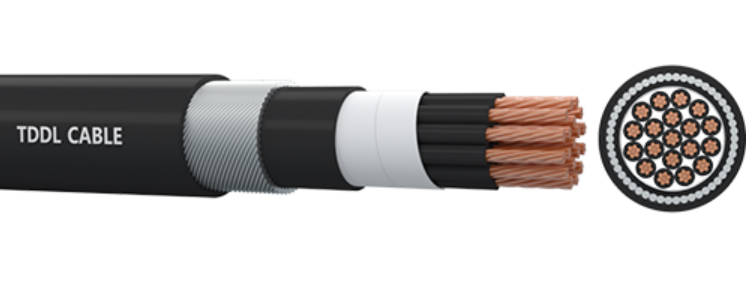
Multi-core PVC control cables snake between sensors, motors, and PLC cabinets. In most workshops, trays carrying these run 20 to 50 meters, taking corners that were clearly added after the pipe fitters finished their part.Agricultural Use
PVC-sheathed power cables pump water for irrigation or feed barn equipment. Fertilizers and detergents don’t attack PVC aggressively, which is why farmers aren’t too picky here.Data and Communication
Not the fancy high-speed stuff, but for low-frequency signaling or basic comms, many cables still use a PVC sheath.Key Specifications and Standards
Voltage Ratings
Common ratings:- 300/500 V
- 450/750 V
- 0.6/1 kV
International Standards
Most referenced:- IEC 60227
- IEC 60502-1
- BS 6004
- UL 83
Conductor Classes (IEC 60228)
- Class 1: solid
- Class 2: stranded
- Class 5: flexible
Color Coding
Typical markings:- Brown/black/grey: live
- Blue: neutral
- Green-yellow: earth
Sizes
PVC cables run from tiny 0.5 mm² control wires to 400 mm² feeders. In industrial switchboards, 25–185 mm² is more common than the extreme ends.Precautions and Recommendations
- Regular PVC ages in sunlight unless UV-stabilized. Some outdoor sign installers learned this too late.
- Overheating softens PVC. Once insulation deforms, it rarely looks or performs the same again.
- Follow bending radius guidelines. Many installation issues start with someone bending a cable sharper than intended.
- Voltage drop checks matter—especially for long feeder runs.
- LSZH cables replace PVC in tunnels, hospitals, and airports to reduce smoke and toxic fumes. These are not PVC but often sit beside PVC in catalogs, confusing buyers.